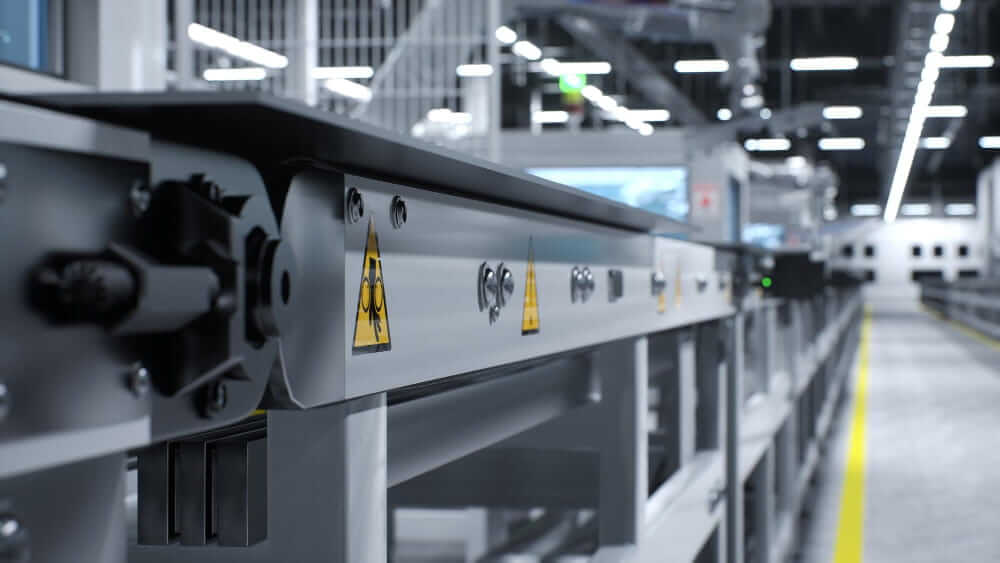

Line clearance is the formal, documented procedure of removing every trace of the previous production run, materials, product, labels, documents, and settings, from a line before the next run starts. In pharmaceutical, food, cosmetics, and packaging operations it is the barrier that stands between an ordinary changeover and a catastrophic mix-up: the wrong label on an allergen product or the wrong strength on a medicine carton.
In GMP environments line clearance is mandatory and auditable: EU GMP Part I Chapter 5 (paragraph 5.50) requires the work area, packaging lines and printing machines to be cleared of previous products, materials and documents against a checklist before packaging starts, and 21 CFR 211.130(e) requires packaging and labeling facilities to be inspected immediately before use, with the result recorded in the batch production record. Independent verification by a second person is the common way to make that record trustworthy. The reasoning is blunt: mix-ups are among the few failure modes that can put the wrong product in a patient’s hands with the right-looking packaging. Food operations face the same logic through allergen control: an undeclared allergen from a leftover component is an automatic recall.
A packaging line finishes a run of 20 mg cartons and changes over to 40 mg. Label reconciliation shows 12,000 labels issued, 11,940 used, 45 scrapped, 15 returned: a perfect balance. During clearance, the checker still finds three 20 mg cartons wedged under the outfeed guide, physical product the paperwork could not see.
The three cartons are destroyed, the finding is logged, and the line starts clean. Without the physical check, three wrong-strength cartons enter a 40 mg batch: if discovered downstream, the entire batch is quarantined; if discovered by a pharmacist or patient, it is a recall with regulatory consequences. Fifteen minutes of disciplined clearance versus that.
Clearance is not the same as cleaning: cleaning removes residues to a validated standard; clearance removes items and confirms identity and state. Both live inside the wider changeover, and the time pressure is real: clearance competes with the clock that SMED programs are trying to shrink.
Well-designed procedures resolve the tension with clear zone-by-zone checklists, good line layout that eliminates hiding places, and staging discipline, not by skipping checks. Where formal first-piece verification follows, clearance hands off naturally into first article inspection for the new run.
Fabrico digitizes the discipline: clearance checklists run as structured work orders per changeover with zone-by-zone confirmation, photo evidence, and independent sign-off captured on the line; findings are logged against the asset so recurring hiding spots get engineering fixes; and because Fabrico also measures OEE and changeover durations automatically, teams can prove clearance discipline and changeover speed improving together rather than trading one for the other. EU-built, with EU data residency.
EU GMP paragraph 5.51 expects the name and batch number of the product being handled to be displayed at each packaging station or line. Updating that display makes a natural last step of every clearance, because a line that is clear but still shows the previous batch invites exactly the mix-up clearance exists to prevent.
In the US, 21 CFR 211.125(c) requires procedures that reconcile the quantities of labeling issued, used and returned, and requires any discrepancy between the quantity of product finished and the labeling issued that falls outside narrow preset limits, based on historical operating data, to be evaluated and investigated. Reconciliation is waived for cut or roll labeling only when a 100 percent examination for correct labeling is performed.
Execution typically belongs to the line team; verification must be independent, a supervisor or quality representative who did not do the clearing. The independence is the control: familiarity is precisely what makes the person who cleared the line blind to what they missed.
From minutes on a simple line to an hour or more on complex packaging lines with many components. The honest answer is: as long as the validated checklist takes when actually performed. Chronic overruns signal layout problems or an unrealistic procedure, both fixable with data.
Formally it is a GMP requirement, but food allergen programs, cosmetics, and any operation where product or label mix-ups are costly use the same practice under names like changeover verification. The risk logic, not the regulation, is what justifies it.
Want clearance checklists, sign-offs, and changeover times in one system? Book a Fabrico demo to see digital line clearance checklists, sign-offs and an audit log that keep the line moving.

Zakažite sastanak KSNUMKS-to-KSNUMKS sa našim stručnjacima ili se direktno upišite u naš besplatni plan.
Nije potrebna kreditna kartica!






 Login
Login
 Blog
Blog