Computer vision is the most powerful loss-detection instrument available to a plant, and the fastest way to destroy shop-floor trust if deployed carelessly. The boundary that keeps it on the right side, in policy and in practice.
Quick answer: The rule that makes production cameras legitimate is simple to state and must be kept in writing: cameras point at the process, never at people. Their purpose is to explain machine stops and product flow, footage serves loss analysis rather than individual performance review, and the boundary is enforced by camera placement, retention policy and access rights, not by promises.
Because machine data ends where many losses begin. A PLC reports that the line stopped; it cannot report that the stop was a label jam upstream, a pallet arriving late, or a guard door opened for a reason worth knowing. On high-speed lines, sub-minute stops that no log captures routinely account for a large share of lost time.
A camera synchronized with production data turns every disputed stop into thirty seconds of replay, which ends the morning meeting's blame theater with evidence. That is the prize, and it is entirely about the process. Improvement teams get a second prize: the replay library ends the staged time study.
Instead of observing a changeover while everyone performs for the clipboard, the CI lead works from a library of real events, which is the difference between studying the plant and studying a play about the plant.
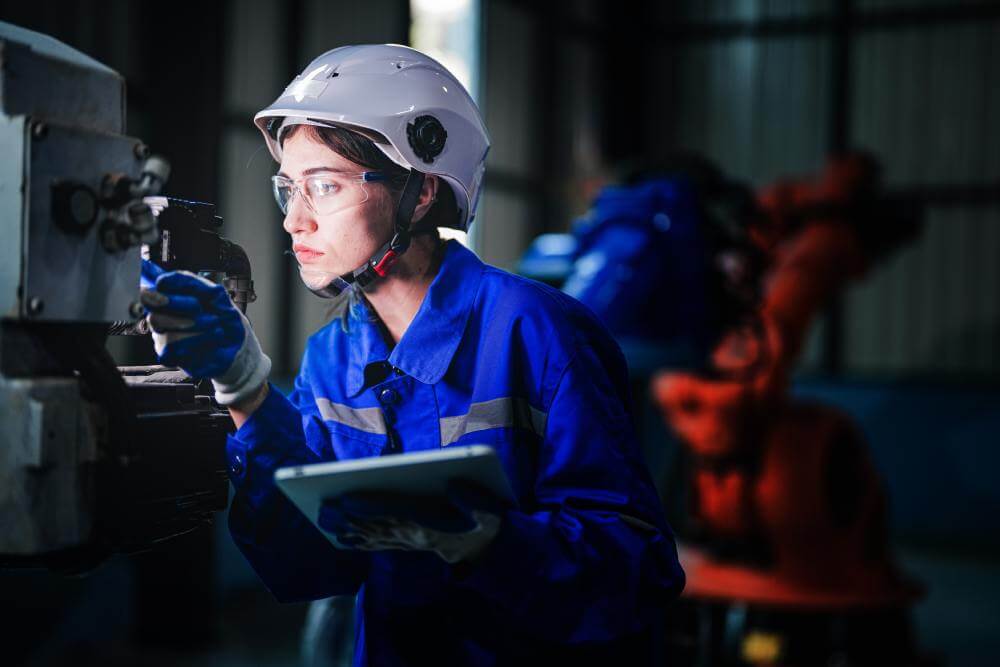
Placement: cameras frame machines, infeeds and product flow; workstation framing that would enable individual monitoring is excluded by design, not by policy alone.
Purpose limitation, in writing: footage is used to classify stops and analyze losses; it is not used for individual performance evaluation, and this is committed contractually and communicated to the workforce before the first camera goes up.
Access and retention: replay access is role-based and logged; retention is as short as the improvement use case allows.
Worker involvement: operators see the same replays the engineers see, because the person clearing the jam nine times a shift is the primary beneficiary of the jam finally being fixed.
Run it openly, with the works council or workforce representatives where they exist, and lead with the specific commitments rather than reassurance: here is what the cameras will watch, here is what the footage will and will not be used for, here is who can see it and for how long, and here is the document that says so.
In our experience the resistance dissolves quickly for one reason: operators have spent years being blamed for stops on the strength of recollection, and process-pointed cameras are the end of being blamed without evidence. The same instrument that finds the losses exonerates the people.
European rules on AI and workplace monitoring increasingly distinguish process monitoring from employee monitoring, with worker-directed surveillance attracting the strictest treatment. A process-only camera policy is therefore not just the trust-preserving choice but the compliance-durable one: plants that build the boundary in now will not be retrofitting it under enforcement pressure later.
For the full deployment picture beyond privacy, see our practical guide to camera based production monitoring.
If a works council or employee representatives have already raised objections, the full consultation sequence, the DPIA and the disciplinary use clause are set out in our guide to getting works council approval for OEE monitoring.
Is it legal to put cameras on a production line?
Process-directed cameras for operational purposes are broadly permissible with proper notice and purpose limitation; rules vary by country and tighten sharply as monitoring approaches individual employees. Written purpose limitation, works-council involvement and role-based access are the practical foundations.
Will operators accept cameras?
Acceptance follows the boundary. Cameras that explain machine stops and end evidence-free blame are welcomed surprisingly fast; cameras that could rate individuals are resisted, and should be.
Does GDPR apply to production cameras?
Where footage can capture identifiable people, yes: purpose limitation, minimization, retention limits and access control apply. Process-pointed framing and short retention dramatically reduce the surface area.
What should a camera policy contain?
What is filmed and what is excluded, the exclusive purposes of the footage, who can access replays and under what logging, retention periods, and the explicit statement that footage is not used for individual performance evaluation.
Fabrico's computer vision ships with the process-not-people commitment in writing. Read next: how video-verified downtime ends the morning-meeting blame game, and our EU AI Act analysis.
See how Fabrico unifies OEE and maintenance in one platform.
Request a demo












 Login
Login
 Blog
Blog