

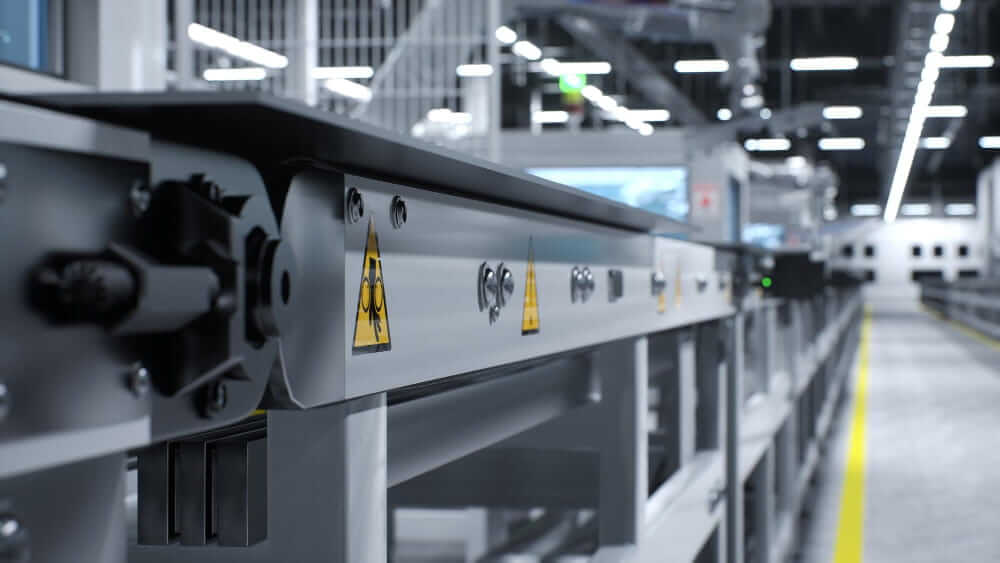

Limpieza de línea es el procedimiento formal y documentado de eliminar todo rastro de la corrida de producción anterior: materiales, producto, etiquetas, documentos y ajustes, de una línea antes de que empiece la siguiente corrida.
En operaciones farmacéuticas, alimentarias, cosméticas y de envasado es la barrera que separa un cambio de producción ordinario de un error catastrófico: la etiqueta equivocada en un producto con alérgenos o la potencia incorrecta en una caja de medicamento.
En entornos GMP la limpieza de línea es obligatoria y auditable: el anexo de GMP de la UE y las expectativas de la FDA exigen una limpieza documentada con verificación independiente antes de las operaciones de envasado.
La razón es directa: los errores de mezcla están entre los pocos modos de fallo que pueden entregar el producto equivocado a un paciente con un envase que aparenta ser correcto.
Las operaciones alimentarias afrontan la misma lógica a través del control de alérgenos: un alérgeno no declarado procedente de un componente sobrante implica una retirada automática del mercado.
Una línea de envasado termina una corrida de cajas de 20 mg y cambia a 40 mg. La conciliación de etiquetas muestra 12.000 etiquetas emitidas, 11.940 usadas, 45 descartadas, 15 devueltas: un balance perfecto.
Durante la limpieza, el verificador aún encuentra tres cajas de 20 mg atrapadas bajo la guía de salida, producto físico que la documentación no podía ver. Las tres cajas se destruyen, el hallazgo se registra y la línea arranca limpia.
Sin la comprobación física, tres cajas de fuerza incorrecta entrarían en un lote de 40 mg: si se descubren aguas abajo, todo el lote se pondría en cuarentena; si lo descubre un farmacéutico o un paciente, sería una retirada con consecuencias regulatorias. Quince minutos de limpieza disciplinada frente a eso.
La limpieza de línea no es lo mismo que la higienización: la higienización elimina residuos hasta un estándar validado; la limpieza de línea retira elementos y confirma identidad y estado.
Ambas forman parte del cambio de producción más amplio, y la presión del tiempo es real: la limpieza de línea compite con el reloj que los programas SMED intentan reducir.
Los procedimientos bien diseñados resuelven la tensión con listas de verificación claras por zona, un buen diseño de línea que elimina lugares donde esconderse y disciplina de puesta en escena, no saltándose las comprobaciones.
Cuando sigue una verificación formal de la primera pieza, la limpieza de línea da paso de forma natural a la inspección del primer artículo para la nueva corrida.
Fabrico digitaliza la disciplina: las listas de verificación de limpieza de línea se ejecutan como órdenes de trabajo estructuradas por cambio de producción con confirmación zona por zona, evidencias fotográficas y firma independiente capturadas en la línea
los hallazgos se registran contra el activo para que los puntos recurrentes donde se esconden cosas reciban correcciones de ingeniería y como Fabrico también mide automáticamente el OEE y las duraciones de cambio, los equipos pueden demostrar que la disciplina de limpieza de línea y la velocidad de cambio mejoran conjuntamente en lugar de intercambiarse. Desarrollado en la UE, con residencia de datos en la UE.
La ejecución suele corresponder al equipo de línea; la verificación debe ser independiente, un supervisor o un representante de calidad que no haya realizado la limpieza. La independencia es el control: la familiaridad es precisamente lo que hace que quien limpió la línea sea ciego a lo que se le pudo escapar.
De minutos en una línea simple a una hora o más en líneas de envasado complejas con muchos componentes. La respuesta honesta es: tanto tiempo como tome la lista de verificación validada cuando se realiza correctamente. Los excedentes crónicos indican problemas de diseño o un procedimiento poco realista, ambos solucionables con datos.
Formalmente es un requisito GMP, pero los programas de alérgenos en alimentación, cosméticos y cualquier operación donde los errores de producto o etiquetado sean costosos usan la misma práctica bajo nombres como verificación de cambio. Lo que la justifica es la lógica del riesgo, no la regulación.
¿Quiere listas de verificación de limpieza de línea, firmas y tiempos de cambio en un único sistema? Reserve una demo de Fabrico para ver la limpieza de línea digital que satisface a los auditores sin ralentizar la línea.
Vea cómo Fabrico unifica OEE y mantenimiento en una sola plataforma.
Programar una demo








 Iniciar sesión
 Blog
Blog






















