

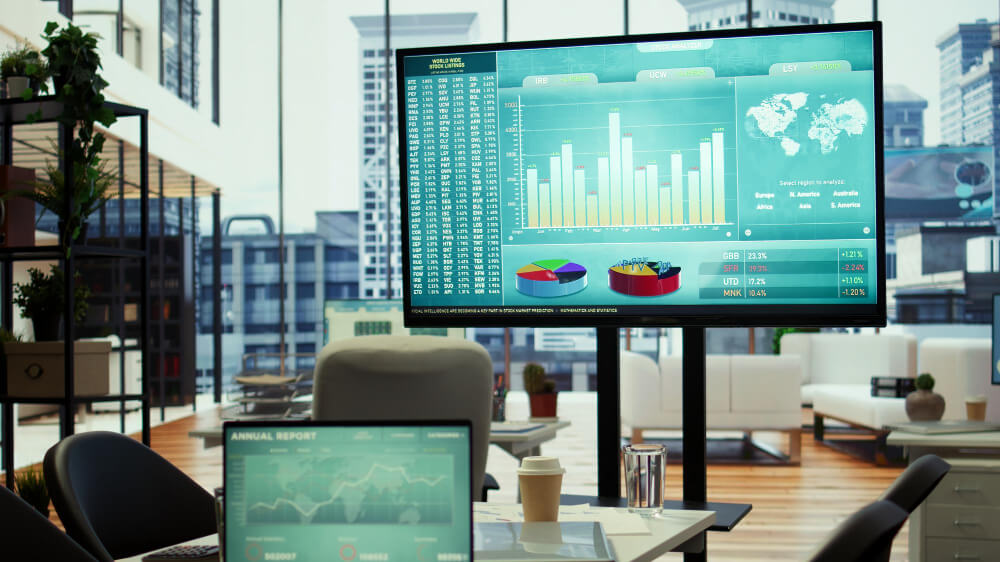
Puntos clave
Un sistema de monitorización de la producción es la base sobre la que se asienta todo lo demás. Captura el estado en vivo de cada línea (a qué velocidad está funcionando, cuándo se detiene, por qué y qué calidad está produciendo) y pone esos datos a disposición en el momento en que ocurren, en lugar de al final del turno.
Todo lo que la gente asocia con la analítica de fabricación depende de esta captura. Una puntuación OEE, un pareto de tiempo de inactividad, un panel de turno: ninguno de ellos es mejor que los datos que los alimentan. Haz bien la captura y el resto sigue. Hazla mal y estarás puliendo informes basados en conjeturas.
El instinto es capturarlo todo porque el almacenamiento es barato. El resultado es un mar de datos sobre el que nadie actúa. Un sistema centrado registra las señales que cambian una decisión:
| Aspecto | Registro manual | Captura automatizada |
|---|---|---|
| Paradas breves | Suelen omitirse | Registradas automáticamente |
| Precisión de la razón | Suponida bajo presión | Registrada en el propio evento |
| Oportunidad | Al final del turno, si se registra | En tiempo real |
| Carga del operario | Alta, compite con la tarea | Baja, funciona en segundo plano |
La gente pregunta cuál necesita, pero la pregunta está al revés. La monitorización de la producción es la capa de captura; el OEE es una métrica derivada de ella. Una herramienta de OEE que no puede capturar datos limpios de tiempo de inactividad y calidad está informando con cifras que tuvo que suponer.
Empiece por una captura fiable y luego calcule el OEE encima. La entrada sobre OEE para la fabricación cubre cómo se construye la métrica.
Fabrico captura la producción y el tiempo de inactividad en tiempo real y utiliza visión por ordenador para asociar la causa real a una parada en lugar de basarse en un código de motivo supuesto, de modo que los datos que sostienen sus puntuaciones OEE sean sólidos.
Como OEE y CMMS comparten una plataforma, una parada monitorizada fluye directamente en una orden de trabajo y la vista en vivo del taller se conecta con la respuesta de mantenimiento. Está desarrollado y alojado en la UE con la residencia de datos en mente y cuenta con la certificación ISO 27001.
Para ver sus líneas en él, reserve una demo .
No. La monitorización es la capa de captura que registra lo que hace la línea. El OEE es una métrica que se calcula a partir de esos datos. Una herramienta de OEE todavía necesita una captura fiable debajo; la monitorización es lo que hace que la puntuación sea confiable.
El tiempo de inactividad con una razón precisa y el rendimiento frente al plan. Esas dos señales impulsan la mayoría de las decisiones. La calidad en el origen y el tiempo de cambio de producto vienen después. Resista la tentación de capturar todo a la vez.
Los registros manuales siempre están incompletos. Las paradas breves se omiten y las razones se suponen bajo la presión de producción, por lo que los datos que deberían guiar la mejora son poco fiables desde el principio. La captura automatizada registra los eventos que un operario ocupado no puede.
Debería aportar valor en líneas mixtas y más antiguas utilizando señales existentes, en lugar de exigir que cada activo sea nuevo o esté totalmente instrumentado antes de dar resultados.























 Iniciar sesión
 Blog
Blog