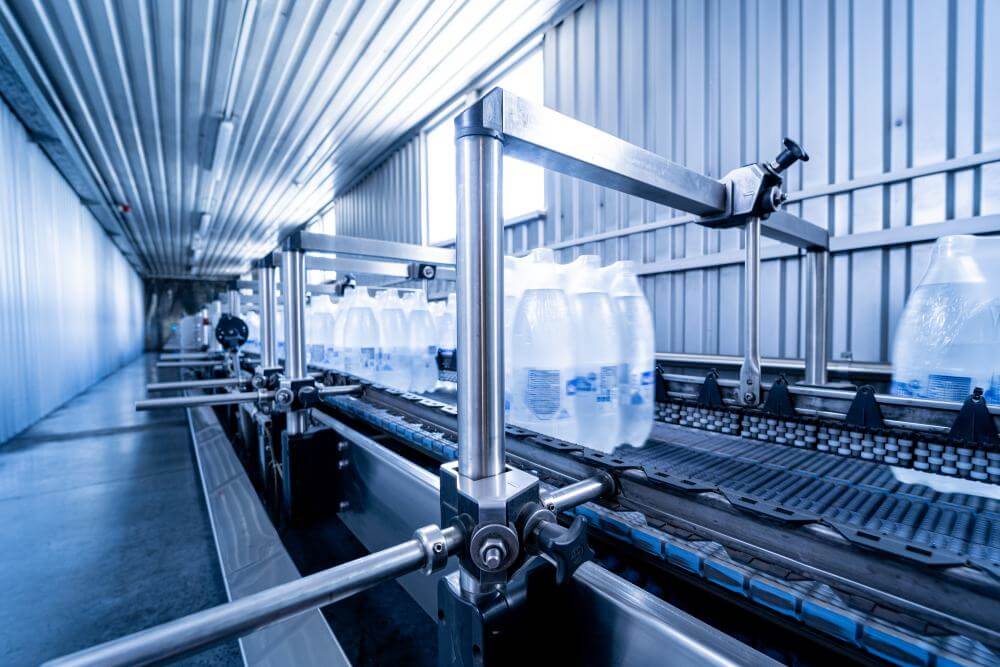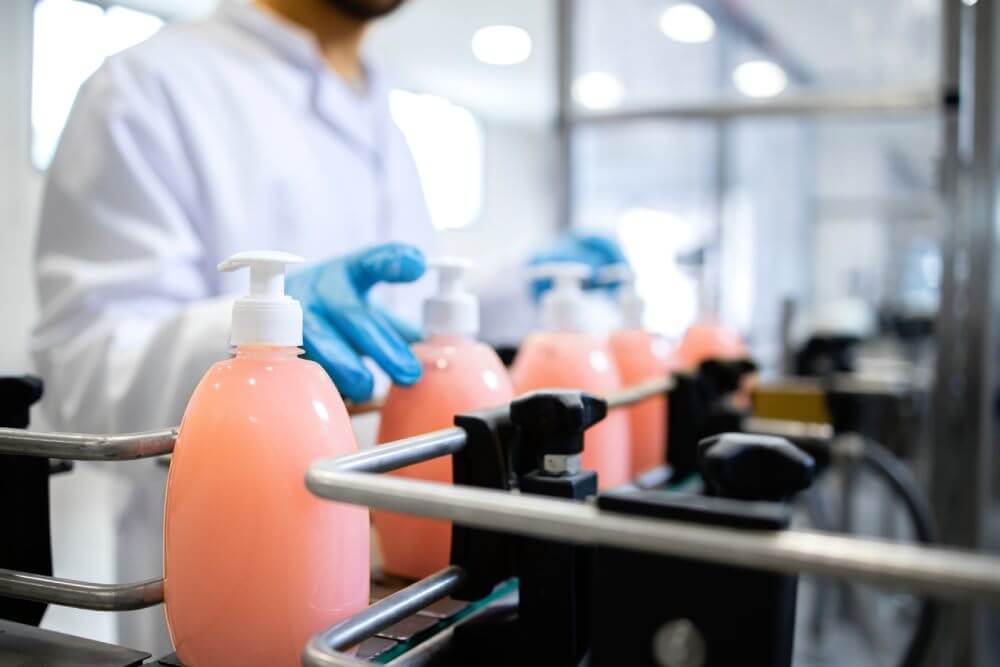

The "Velocity" Trap: In Fast-Moving Consumer Goods (FMCG), margins are thin and volumes are high. Software must focus on OEE and Micro-Stops, not just breakdown repairs.
The Compliance Layer: Whether it's shampoo or cereal, FMCG requires strict GMP (Good Manufacturing Practice) compliance. Your CMMS must enforce hygiene and safety checks.
The Top 7: We review Fabrico, SAP, Redzone, and others to help you standardize maintenance across high-speed production sites.
Managing maintenance in FMCG (Fast-Moving Consumer Goods) is different from any other industry.
You aren't managing heavy, slow assets like a steel mill.
You are managing high-speed packaging lines running at 500 units per minute.
The Enemy is the Micro-Stop: A jam that lasts 30 seconds doesn't look like a "Breakdown" in a generic CMMS, but it kills your OEE.
The Constraint is Compliance: You cannot fix a machine without signing off on Line Clearance and Hygiene checks.
The Scale is Massive: You likely have multiple sites producing different SKUs (Home Care, Food, Personal Care).
Generic facility software cannot handle this speed. You need High-Velocity Maintenance Software.
Here are the 7 Best CMMS Software Tools for FMCG in 2026.
Best For: FMCG manufacturers who need to link Line Speed to Maintenance Action.
Fabrico is built for the high-speed reality of FMCG. We don't just track work orders; we track the interruptions to flow.
Micro-Stop Detection: Fabrico connects to your PLCs and uses Computer Vision to detect jams and minor stops. It aggregates these "small" losses to show Maintenance exactly where the biggest opportunity lies.
Digital CILs (Clean, Inspect, Lubricate): In FMCG, Autonomous Maintenance is critical. Fabrico puts the CIL checklist on the operator's tablet. They cannot start the shift until they prove (with photos) that the line is clean and ready.
GMP Compliance: You can configure "Hard Stops" in the workflow. A technician cannot close a work order until they confirm "Tools Removed" and "Sanitization Complete," creating a perfect audit trail.
Multi-Site Standardization: For VPs of Operations ("Paula"), Fabrico offers a global dashboard. You can compare the reliability of the bottling line in Plant A vs. Plant B and standardize the maintenance strategy.
The Verdict: If you want to squeeze every percentage point of OEE out of your assets while staying audit-ready, Fabrico is the specialized choice.
Best For: Global conglomerates (P&G, Unilever scale).
If you are a massive FMCG corporation, SAP is likely your backbone.
Pros: Total integration with the global supply chain. It handles procurement of raw materials and spare parts in the same system. Unmatched financial reporting.
Considerations: It is slow and rigid. Technicians on a fast-moving line hate the complex interface. It often leads to "Shadow Maintenance" where fixes happen without being logged.
The Niche: Corporate Standardization.
Best For: Workforce productivity and culture.
Redzone is famous in the Food & Beverage and FMCG sectors for driving "Huddles" and team wins.
Pros: Excellent gamification. It visualizes production targets on big TV screens, motivating operators to "Win the Shift." Great for culture change.
Considerations: It is expensive. It focuses more on the Operator than the Asset. It puts less emphasis on the deep Reliability Engineering (RCM) features needed to solve chronic machine failures.
The Niche: Productivity & Culture.
Best For: Process-heavy FMCG (Mixing/Blending).
If your facility has a massive "Kitchen" or "Mixing Hall" (e.g., Shampoo blending, Dough mixing), Aveva is strong.
Pros: Deep integration with SCADA. It visualizes the process flow and batch health. Excellent for tracking energy and utilities.
Considerations: It is an engineering tool, not a workflow tool. It is often too complex for the packaging hall where speed is the priority.
The Niche: Process Engineering.
Best For: Training and Knowledge Management.
FMCG often suffers from high staff turnover. Poka solves the "How do I fix this?" problem.
Pros: Best-in-class video training. Operators can scan a QR code to watch a video on how to clear a specific jam or perform a changeover.
Considerations: It is a training platform, not a full maintenance system. It is not positioned to manage the spare parts inventory or the asset lifecycle costs natively.
The Niche: Skills Training.
Best For: Automated packaging lines.
If your lines are driven by Rockwell (Allen-Bradley) automation, Fiix offers good connectivity.
Pros: Cloud-native and modern. It connects well to the shop floor hardware. Good AI features for predicting component failures.
Considerations: As it moves up-market, it is becoming more expensive. It requires configuration to handle specific FMCG workflows like "Line Clearance."
The Niche: Automated Packaging.
Best For: Quality and Safety Audits.
SafetyCulture is the standard for mobile inspections.
Pros: Very easy to build checklists for GMP audits, glass audits, and hygiene checks.
Considerations: It creates a data silo. The audit data lives in SafetyCulture, but the repair work lives in the CMMS. You have to manually bridge the gap.
The Niche: Auditing.
| Feature | Fabrico | SAP PM | Redzone | Aveva | Poka |
| OEE Integration | ✅ Native | Varies Custom | ✅ Native | ✅ Native | Varies |
| GMP/Hygiene | ✅ Native | ✅ Deep | Varies Basic | ✅ Deep | ✅ Video |
| Micro-Stops | ✅ Vision | Varies | ✅ Auto | Varies Basic | Varies |
| User Experience | Modern | Poor | Gamified | Complex | Modern |
| Focus | Production | Finance | People | Process | Training |
In FMCG, you cannot afford to have a line down for an hour waiting for a part.
Choose SAP if you are forced to by corporate IT.
Choose Redzone if you need to motivate your workforce.
Choose Fabrico if you are a VP of Operations. If you need to connect your OEE Data (Micro-stops) to your Maintenance Team (Work Orders) to drive continuous improvement, Fabrico is the unified solution.
Keep the line moving.
Book a Demo with Fabrico to see how we handle high-speed FMCG maintenance.
See Fabrico live. Request a demo.
Request a demo






















 Login
Login
 Blog
Blog