Maintenance in a Shipyard or Marine Manufacturing facility is one of the toughest jobs in industry.
You are managing assets that are massive, mobile, and exposed to the elements.
-
If a Gantry Crane fails, the entire block assembly stops.
-
If a Dry Dock pump fails, you can't launch the vessel.
-
If a Welder isn't calibrated, you risk structural defects.
Generic "Facility" software fails here. It doesn't understand the difference between maintaining a "Building" and maintaining a "Vessel."
You need Heavy Industry CMMS—software that links Asset Reliability to Project Deadlines.
Here are the 7 Best CMMS Software Tools for Shipyards in 2026.
1. Fabrico: The "Field-Ready" Solution
Best For: Shipyards that want to link Asset Reliability to Safety Compliance.
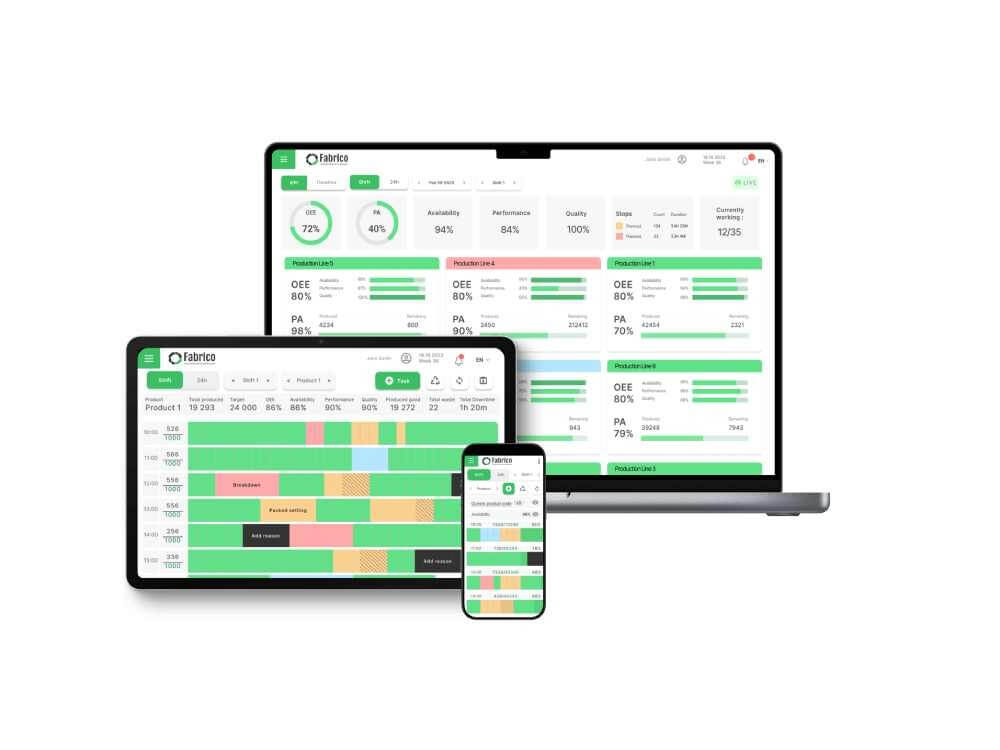
Fabrico excels in the marine sector because it is built for the mobile worker. Shipyards are vast; technicians shouldn't have to walk back to the office to log a repair.
Why Yard Superintendents Choose Fabrico:
-
Mobile & Offline: WiFi in a dry dock or inside a hull is terrible. Fabrico’s app works 100% offline. Technicians can log repairs on a crane 50 meters in the air, and it syncs when they come down.
-
Digital Permit to Work: Shipyards live on permits (Hot Work, Confined Space). Fabrico embeds these permits into the Work Order. A technician cannot start welding until the Fire Watch is signed off in the app.
-
Contractor Management: Shipyards rely heavily on subcontractors. Fabrico’s "Guest Access" allows you to assign specific tasks to external welders or electricians and verify their work with photos.
-
Heavy Asset Tracking: Fabrico manages the hierarchy of complex assets like Travel Lifts and CNC Plasma Cutters, tracking wear parts and usage cycles to predict failure.
The Verdict: If you need a rugged, mobile tool that handles safety as well as it handles repairs, Fabrico is the integrated choice.

2. IFS Cloud (EAM)
Best For: Project-based manufacturing and shipbuilding.
IFS is a global leader in the maritime and offshore industry.
-
Pros: Deep integration with "Project Management." It understands that maintaining a ship is part of building a ship. It handles the complex billing and milestones of naval contracts perfectly.
-
Cons: It is a massive enterprise suite. Implementation is a major strategic decision, not a quick operational fix. It can be complex for the average mechanic to navigate.
-
The Niche: Shipbuilding Projects.
3. IBM Maximo
Best For: Naval bases and mega-yards.
Maximo is the standard for the US Navy and large commercial ports.
-
Pros: Unmatched scalability. It handles the complete lifecycle of the asset, from the dry dock infrastructure to the vessels themselves. Excellent for regulatory compliance.
-
Cons: Expensive and heavy. It requires a dedicated IT team to maintain. Customizing it for a specific yard workflow can take months of consulting.
-
The Niche: Defense & Ports.
4. Helm CONNECT
Best For: Vessel operations and fleet maintenance.
Helm is designed for the ships (Tugs, Barges), rather than the yard.
-
Pros: It speaks "Marine." It understands hull inspections, engine hours, and Coast Guard compliance. If your focus is maintaining the floating assets, this is the specialist.
-
Cons: It is less focused on the manufacturing assets (Cranes, CNCs, Welders) that build the ships.
-
The Niche: Marine Fleet Operations.
5. Fiix (Rockwell Automation)
Best For: Automated fabrication shops.
If your shipyard has a modern "Fab Shop" with automated panel lines and welding robots, Fiix is a strong contender.
-
Pros: Good connectivity to shop floor automation. It helps maintain the high-tech machinery that feeds the assembly blocks.
-
Cons: It is a general manufacturing tool. It lacks the specific "Project-Based" logic of IFS or the "Safety Permit" depth of Fabrico for outdoor yard work.
-
The Niche: Automated Fabrication.
6. eMaint (Fluke)
Best For: Vibration analysis on heavy cranes and pumps.
Crane reliability is the bottleneck of the yard. eMaint connects to Fluke sensors to monitor motor health.
-
Pros: Condition Monitoring. It alerts you if the main hoist motor on the Gantry Crane is vibrating abnormally, preventing a catastrophic lift failure.
-
Cons: The interface is dated. It is less mobile-friendly for the sprawling geography of a shipyard compared to modern apps.
-
The Niche: Condition Monitoring.
7. Limble CMMS
Best For: Smaller boatyards and marinas.
If you run a repair yard for yachts or smaller vessels, Limble is fast and effective.
-
Pros: Very easy to use. Great for tracking customer work orders and billing for repairs.
-
Cons: It lacks the heavy industrial safety features (Process Safety Management) required for large commercial shipbuilding.
-
The Niche: Small Craft Repair.
Comparison Matrix: Yard vs. Fleet
| Feature |
Fabrico |
IFS |
Maximo |
Helm |
Fiix |
| Offline Mobile |
✅ Native |
✅ Native |
⚠️ Add-on |
✅ Native |
✅ Yes |
| Safety Permits |
✅ Native |
✅ Deep |
✅ Deep |
✅ Marine |
⚠️ Basic |
| Project Link |
⚠️ Basic |
✅ Deep |
✅ Deep |
❌ No |
❌ No |
| Contractor Portal |
✅ Yes |
✅ Yes |
✅ Custom |
❌ No |
❌ No |
| Setup Speed |
Weeks |
Months |
Years |
Months |
Months |
Summary: Rugged Tools for Rugged Work
A shipyard is not a place for fragile software.
-
Choose IFS if you are building aircraft carriers and need total project lifecycle management.
-
Choose Helm if you are managing a fleet of tugboats.
-
Choose Fabrico if you manage the Shipyard. If you need to keep the cranes lifting, the plasma tables cutting, and the dry docks dry using an app that works offline in the rain, Fabrico is the operational solution.
Build it right.
[Book a Demo with Fabrico] to see how our offline mobile app handles the shipyard environment.


 Login
Login
 Blog
Blog