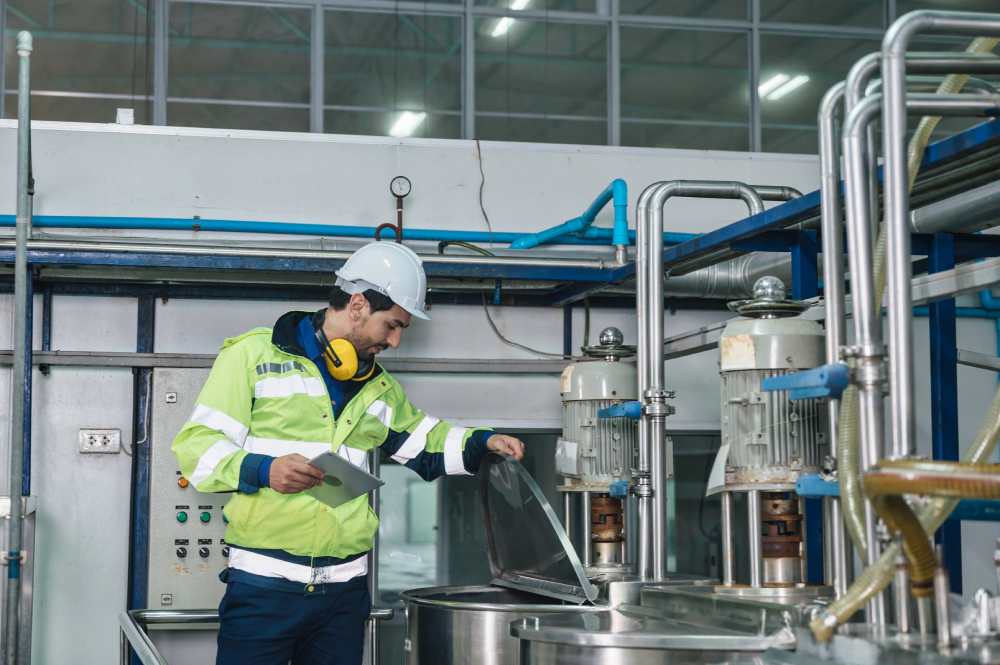
Seed processing is high stakes manufacturing. Whether you are handling hybrid corn, soybeans, or vegetable seeds, the product is alive and expensive. A single bag of GMO corn seed can cost hundreds of dollars.
The operational rhythm is intense. You spend ten months repairing the plant and two months running it at 110% capacity. This "Campaign Mode" creates a unique maintenance challenge. You need deep project management for the off season rebuild and rapid response tools for the harvest.
Standard facility software fails here. It does not handle the Chemical Compliance required for seed treaters, nor does it manage the Seasonal Onboarding of temporary labor.
Here are the 5 best maintenance software tools for seed processing plants in 2026.
1. Fabrico (The Campaign & Safety Specialist)
Best For: Plants that need to link Harvest Uptime with Chemical Safety.
Fabrico understands the "Seasonality" of the seed business. We know that in October, a work order is a suggestion, but in February, it is an emergency. Fabrico allows you to switch gears, managing complex rebuild projects in the summer and rapid "fix it now" tasks during the harvest.
Why it wins for Seed Processing:
-
Treater Safety Compliance: Seed treatment involves harsh chemicals. Fabrico enforces digital safety permits. Before a technician can service a coating drum, they must complete a "Chemical Hazard" checklist on their phone. This protects your people and your compliance record.
-
Visualizing Sorter Rejects: Optical sorters fire thousands of times a minute. If the reject rate spikes, it kills yield. Fabrico's video replay feature allows you to see the product flow in the seconds before a spike, helping you determine if it is a dirty lens or a bad incoming lot.
-
Seasonal Worker Mode: You hire temporary staff for bagging and forklift driving. Fabrico's mobile app is "Field Ready" and intuitive. A new hire can scan a QR code on a bagger and report a jam in seconds, without needing a login or training.
-
Dust Control Rounds: Seed dust is explosive. Fabrico schedules mandatory "Housekeeping Rounds." Operators must snap photos of clean floors and dust collectors to close the task, creating a digital audit trail for insurance.
The Verdict: If you want to survive the harvest campaign without unplanned stops and keep your chemical treating safe, Fabrico is the strategic choice.

2. SAP PM (The Agribusiness Giant)
Best For: Large Multi National Seed Companies (Bayer, Corteva, Syngenta).
The seed industry is consolidated into massive global players. For these companies, SAP is the standard for managing the genetics supply chain and inventory. SAP Plant Maintenance (PM) is often the default choice.
Pros:
-
Seed Lot Traceability: It connects the maintenance of the line directly to the specific "Batch" or "Lot" of seed being processed.
-
Global Spare Parts: If a specific destoner part fails in Iowa, SAP allows you to check if your sister plant in Brazil has a spare.
Cons:
-
Technician Usability: The interface is built for planners, not for seasonal mechanics. It is complex and slow to navigate on a tablet.
-
Rigidity: Changing a maintenance plan during the chaos of the harvest often requires approvals and office work, which slows down the field team.
3. Bühler Mercury MES (The OEM Software)
Best For: Machine Control and Process Optimization.
If your plant is full of Bühler sorters, cleaners, and graders, their Mercury MES is a powerful tool for running the plant. It connects deep into the machine controls.
Pros:
Cons:
-
Not a Full CMMS: It operates the machines, but it doesn't manage the maintenance team. It won't help you fix the forklift, the warehouse lighting, or the building HVAC.
-
Siloed Data: The data stays inside the machine ecosystem and does not easily integrate with your general safety or inventory systems.
4. Fiix (The Automation Choice)
Best For: Highly Automated, Modern Seed Plants.
Newer seed plants are highly automated with robotic palletizers and automated storage. Fiix (by Rockwell Automation) is a strong option for these high tech facilities.
Pros:
-
PLC Connectivity: It can trigger a work order automatically if a conveyor motor overheats or a bin sensor fails.
-
Asset Hierarchy: Handles the complex "System of Systems" found in modern conditioning towers.
Cons:
-
Chemical Safety Gaps: While good for mechanics, it lacks the specific, enforced safety workflows needed for the seed treating (chemical) area.
-
Cost: It can be expensive for independent seed producers or smaller co-ops.
5. MaintainX (The Quick Compliance Tool)
Best For: Independent Co-ops and smaller plants.
If you run a smaller regional seed plant and just need to get off paper checklists, MaintainX is the fastest way to digitize.
Pros:
Cons:
-
No Production Context: It doesn't track "Bushels Processed." It cannot trigger maintenance based on the volume of seed run through the cleaner.
-
Limited Asset History: It struggles with the deep technical history required to manage complex optical sorters over 10 years.
Comparison Matrix: Fabrico vs. The Seed Industry
| Feature |
Fabrico |
SAP PM |
Bühler MES |
MaintainX |
| Primary Focus |
Campaign & Safety (Unified) |
Finance & Logistics |
Process Control |
Checklists |
| Mobile Experience |
Field Ready (Fast) |
Desktop Focus |
Control Room |
Excellent |
| Chemical Safety |
Enforced Workflows |
Custom Config |
None |
Good |
| Sorter Optimization |
Visual Replay |
Data Only |
Best in Class |
None |
| Implementation |
Weeks |
Years |
Months |
Days |
Summary: Harvest is Coming
In seed processing, you have one chance to get it right. If the plant is down during harvest, you lose the crop.
-
Choose SAP if you are part of a global giant requiring centralized supply chain control.
-
Choose Bühler MES for the specific control of your sorting recipes.
-
Choose Fabrico if you want to empower your Seasonal Workforce, ensure Chemical Safety, and guarantee your plant is ready for the Harvest Campaign.
Ready to maximize your yield?
Stop relying on paper logs during the busy season. [Request a Demo] to see how Fabrico visualizes your seed operations.


 Login
Login
 Blog
Blog