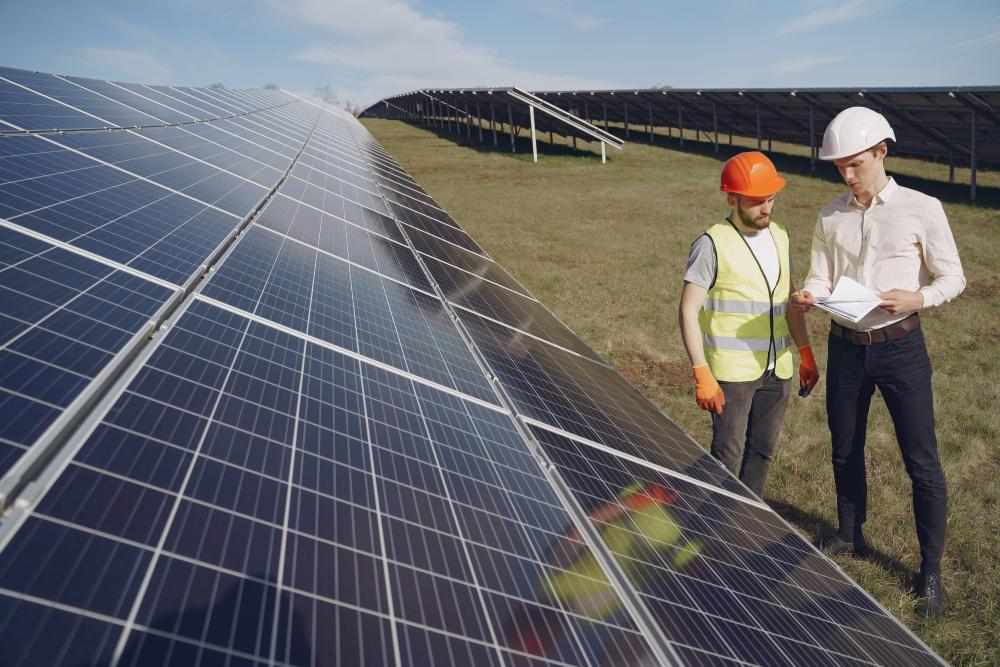
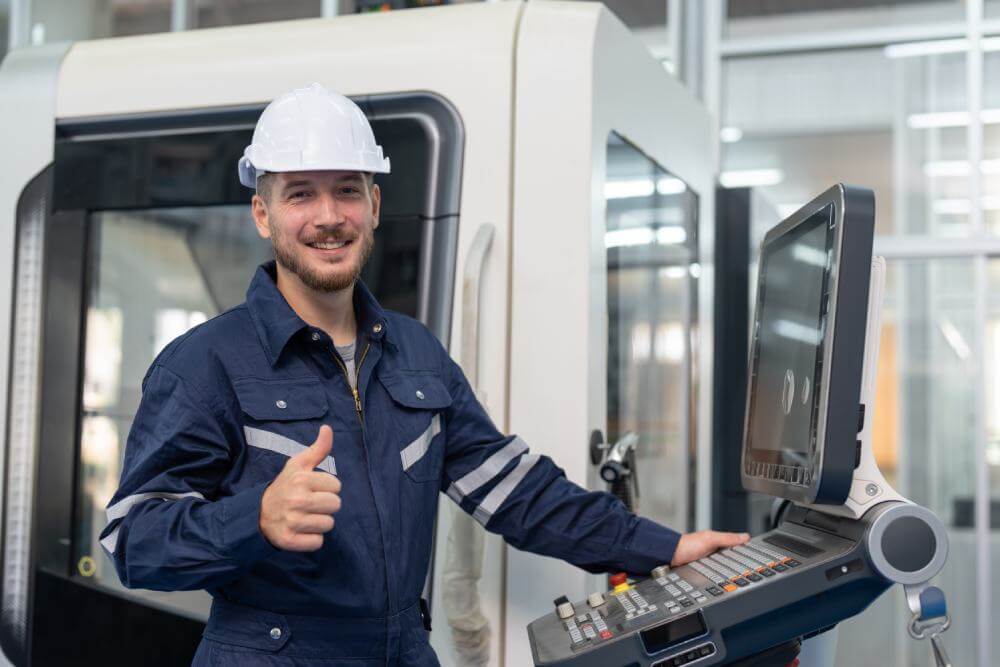
Solar panel (PV Module) manufacturing is a high-speed, high-precision assembly process. You are handling fragile silicon wafers, soldering them into strings, and laminating them between glass and backsheets, all in a cycle time of under 30 seconds per module.
The environment is a mix of cleanroom precision and heavy industrial lamination. The "Stringers" require the delicacy of electronics manufacturing, while the "Laminators" and "Framing Robots" require heavy mechanical maintenance.
Standard maintenance tools often fail here. They do not handle the High-Speed Automation or the strict Quality Correlation required to compete in the solar market.
You need a tool that handles Robot Reliability, Thermal Processes, and Quality Data in one platform.
Here are the 5 best maintenance software tools for solar panel manufacturing in 2026.
1. Fabrico (The Yield & Laminator Specialist)
Best For: Plants that need to link Laminator Performance with Module Quality.
Fabrico is designed for high-tech manufacturing where "Asset Health" equals "Product Quality." In a solar plant, a dirty vacuum plate in the laminator isn't just a maintenance issue; it's a quality disaster. Fabrico connects your machine maintenance directly to your yield metrics.
Why it wins for Solar Panels:
-
Laminator Cycle Tracking: The laminator diaphragm and heating plates wear out. Fabrico tracks the "Cycles Run" and "Thermal Uniformity" of the laminator. It triggers a diaphragm inspection or oil change exactly when needed, ensuring proper EVA cross-linking.
-
Visualizing Micro-Cracks: If EL testing shows a spike in micro-cracks, it is often a handling robot moving too fast or a conveyor bump. Fabrico's video replay feature allows you to see the module handling in the seconds before it entered the EL tester, helping you pinpoint the aggressive robot.
-
Stringer Solder Head Maintenance: Flux buildup on soldering heads causes bad joints. Fabrico allows you to set maintenance triggers based on "Strings Soldered" rather than just time. This keeps the solder points clean and consistent.
-
Recipe-Specific Checklists: When changing from Glass-Backsheet to Glass-Glass modules, the machine settings change. Fabrico enforces digital "Changeover Checklists" to ensure operators verify the new vacuum pressure and temperature settings before restarting the line.

The Verdict: If you want to reduce micro-cracks and ensure your laminators never kill a batch, Fabrico is the strategic choice.
2. Critical Manufacturing MES (The Solar Standard)
Best For: End-to-End Manufacturing Execution (MES).
Critical Manufacturing is a dominant player in the high-tech and solar sectors. It is a full MES that controls the entire production flow, from wafer receiving to palletizing.
Pros:
-
Full Traceability: Unmatched ability to trace every single solar cell back to its original wafer lot.
-
Equipment Integration: Deep integration with SECS/GEM standards used by semiconductor and solar equipment.
Cons:
-
Heavy Implementation: It is a massive system that controls production. Implementing it is a major strategic project, not a quick maintenance fix.
-
Technician Complexity: While great for engineers, the maintenance screens can be complex for floor technicians who just need to log a grease route or change a vacuum pump filter.
3. SAP PM (The Global Giant)
Best For: Large Multi-National Solar Groups (Tier 1 Manufacturers).
The solar industry is dominated by massive global conglomerates. For these companies, SAP is the standard for supply chain and finance. SAP Plant Maintenance (PM) is often the mandated tool.
Pros:
-
Global Supply Chain: If a framing robot motor fails in your Vietnam plant, SAP allows you to check if your factory in Malaysia has a spare.
-
Cost Control: Excellent for tracking the exact cost of maintenance per watt produced.
Cons:
-
Usability: The interface is built for financial planners, not for mechatronics engineers. It is slow to navigate on a tablet inside a cleanroom environment.
-
Rigidity: Adapting a maintenance plan for a new module technology (like HJT) is slow and often requires IT support.
4. Fiix (The Automation Choice)
Best For: Highly Automated, Robotic Assembly Lines.
Modern solar lines are 90% automated, using robots from ABB, Kuka, or Fanuc. Fiix (by Rockwell Automation) is a strong option for managing these robotic assets.
Pros:
-
PLC Triggers: Can trigger work orders automatically if a robot axis reports an "Over-Torque" or "Collision" alarm.
-
Asset Hierarchy: Handles the complex structure of a multi-stage assembly line (Stringer -> Layup -> Laminator -> Frame -> Junction Box).
Cons:
-
Laminator Blind Spot: While great for robots, it lacks the specific focus on "Thermal Process" maintenance required for the laminators (oil heating systems, vacuum pumps).
-
Cost: It can be expensive to license for a facility with thousands of assets.
5. MaintainX (The Quick Compliance Tool)
Best For: Smaller Module Assemblers.
If you run a smaller regional assembly plant (e.g., 500MW capacity) and need to digitize paper logs quickly, MaintainX is a fast solution.
Pros:
Cons:
-
No Cycle Context: It doesn't track "Modules Produced." It cannot trigger maintenance based on the volume of production, which is critical for high-wear parts like suction cups.
-
Limited Depth: It struggles with the deep technical history required to analyze the degradation of a heating plate over 5 years.
Comparison Matrix: Fabrico vs. The Solar Industry
| Feature |
Fabrico |
Critical Mfg |
SAP PM |
MaintainX |
| Primary Focus |
Quality & Yield (Unified) |
MES / Traceability |
Finance & Logistics |
Checklists |
| Mobile Experience |
Field Ready (Fast) |
Engineer Focus |
Desktop Focus |
Excellent |
| Laminator Tracking |
Cycle Based |
Process Data |
Asset List |
Manual |
| Micro-Crack Context |
Visual Replay |
Data Only |
None |
None |
| Implementation |
Weeks |
Years |
Years |
Days |
Summary: Shine Brighter
In solar panel manufacturing, Yield is everything. A 0.1% increase in broken cells can destroy your margin. Your maintenance team is the first line of defense against micro-cracks and lamination defects.
-
Choose Critical Manufacturing if you need full wafer-to-panel traceability and MES control.
-
Choose SAP if you are part of a global Tier 1 group requiring centralized financial reporting.
-
Choose Fabrico if you want to optimize your Laminator Health, reduce Micro-Cracks, and ensure your robots run with precision.
Ready to energize your maintenance?
Stop letting equipment drift affect your module quality. [Request a Demo] to see how Fabrico visualizes your solar production line.


 Login
Login
 Blog
Blog