Every minute your factory is down costs money. In automotive, it can be $22,000 per minute. In food processing, it can mean dumping a whole batch.
When a machine stops, the immediate reaction is to blame the hardware: "The motor blew up."
But successful Plant Managers ask the deeper question: "Why did the motor blow up?"
Was it lack of grease? Was it run too hard? Was the spare part missing?
In 2026, we know that downtime is a System Failure, not just a machine failure.
Here are the 7 Most Common Causes of Unplanned Downtime, and the digital strategies to eliminate them.
1. Human Error (The Training Gap)
The Problem: Machines have become more complex, but training is often "Shadow Bob for a week." When Bob isn't there, a junior operator presses the wrong button, sets the wrong speed, or skips a cleaning step.
2. Lack of Spare Parts (The Inventory Gap)
The Problem: The machine breaks. The technician knows how to fix it. But they walk to the parts cage, and the bin is empty. Now, a 1-hour repair becomes a 2-day outage while you wait for a rush shipment.
-
The Cause: "Phantom Inventory" (System says 2, Shelf says 0) caused by technicians taking parts without logging them.
-
The Fix: QR Code Scanning.
3. The "Micro-Stop" (The Invisible Killer)
The Problem: The line doesn't crash; it stutters. A bottle tips over. A sensor gets dusty. The operator clears it in 30 seconds.
-
The Impact: Because it’s short, nobody logs it. But if it happens 100 times a shift, you lose 50 minutes of production. This is the "Hidden Factory."
-
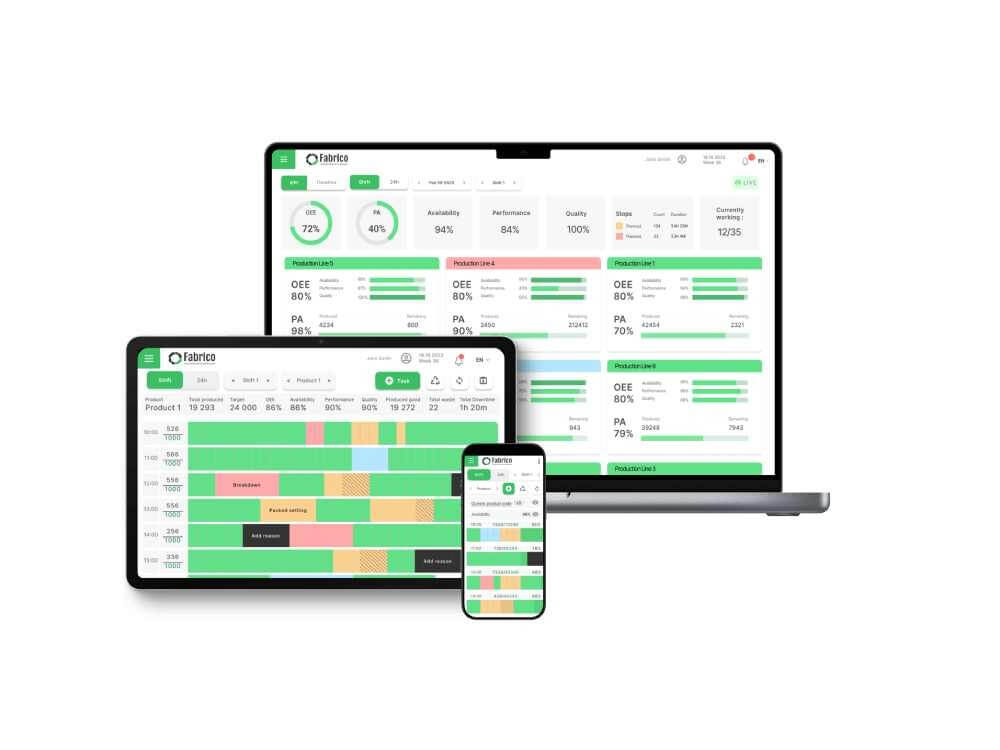
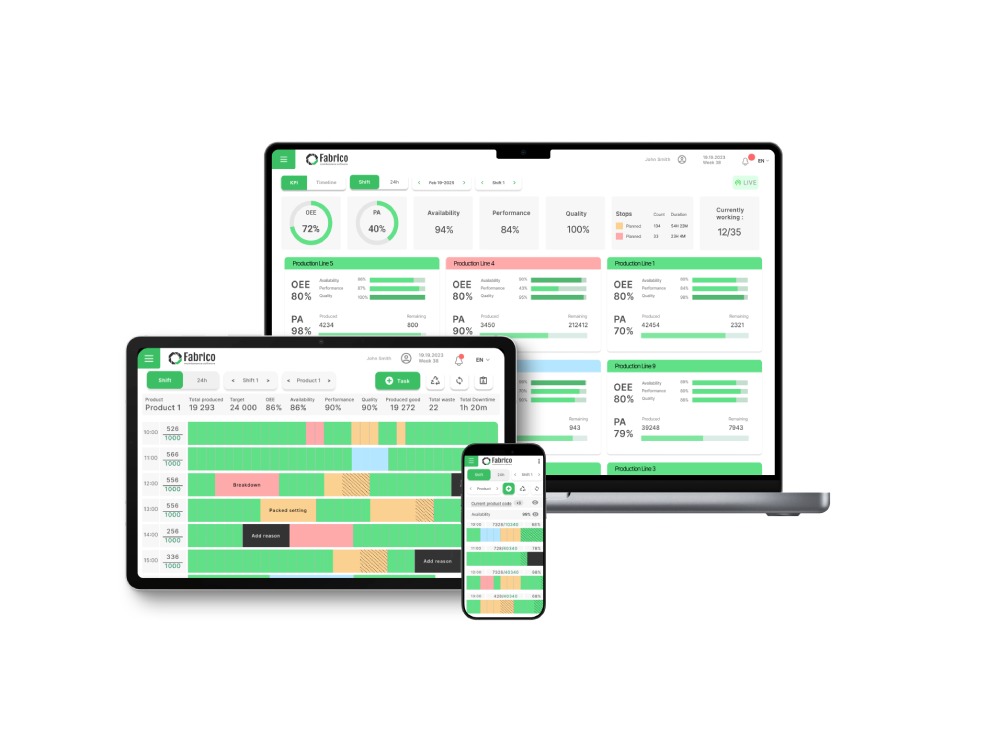
The Fix: Automated OEE Tracking.
4. Aging Assets (The "Run-to-Failure" Trap)
The Problem: You are running a 20-year-old machine like it’s brand new. You push it to 100% capacity without increasing maintenance frequency.
5. Poor Changeovers (The Setup Loss)
The Problem: Switching from Product A to Product B takes 60 minutes instead of 30. During that time, the machine is down. Worse, the first 100 units after startup are scrap because the settings weren't dialed in.
6. Information Silos (The Communication Gap)
The Problem: The operator hears a noise at 8:00 AM. They tell the shift lead. The shift lead forgets to tell maintenance. At 2:00 PM, the bearing seizes.

7. Deferred Maintenance (The Budget Cut)
The Problem: To save money last quarter, you cancelled the annual overhaul. Now, the machine is failing catastrophically.
Conclusion: Downtime is a Choice
You cannot prevent every breakdown. But you can prevent the systemic failures—the missing parts, the untrained errors, and the ignored warnings.
Unplanned downtime is a signal that your system needs an upgrade.
Fix the system.
[Request a Demo] and let Fabrico help you eliminate the 7 causes of downtime.


 Login
Login
 Blog
Blog