Menu
Computer Vision in Manufacturing: The Missing Link to Industry 5.0

Computer Vision in Manufacturing: The Missing Link to Industry 5.0

The manufacturing world is changing fast.
Factories are becoming smarter, faster, and more connected.

Industry 5.0 is emerging as the next step in this evolution.
It focuses on combining human creativity with machine intelligence.
Manufacturers are no longer aiming just for automation.
They want collaboration, efficiency, and sustainability.

One technology at the heart of this shift is computer vision in manufacturing.
It gives machines the ability to see, measure, and act.
Combined with tools like Fabrico’s OEE, it brings real, actionable insights to the production floor.
Computer Vision in Manufacturing: The Missing Link to Industry 5.0

What Is Industry 5.0 and Why It Matters

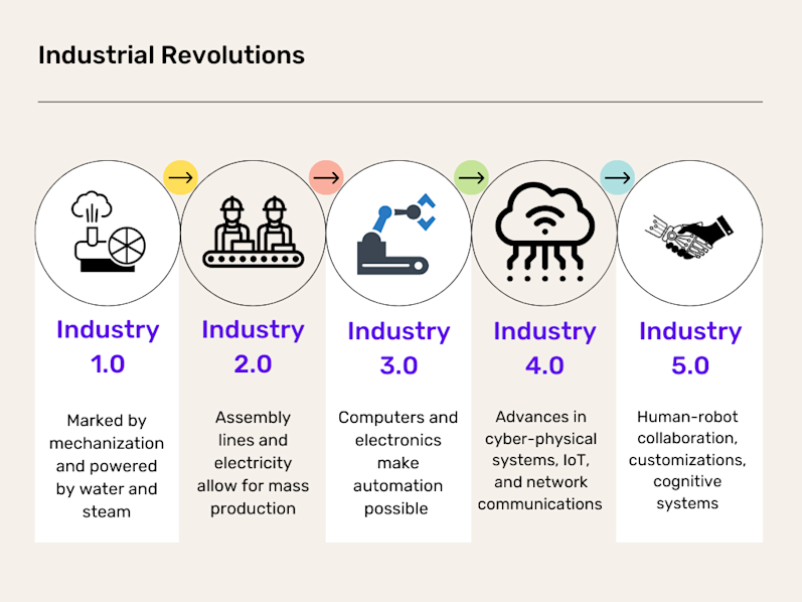
Industry 5.0 builds on the foundation of Industry 4.0.

Automation, IoT, and data analytics are still important. But the focus is shifting toward humans and sustainability.

Manufacturers now aim for:

  • Human-machine collaboration: Employees and machines working together.

  • Customization at scale: Meeting individual customer needs efficiently.

  • Flexible production: Quickly adapting to changing demands.

  • Sustainability: Reducing waste and energy consumption.

  • Data-driven decisions: Using accurate data to improve outcomes.


Industry 5.0 is not a total overhaul.

It refines proven manufacturing principles like Lean and Six Sigma.

It’s about incremental improvements that matter.

Industrial revolutions 1 to 5

What Computer Vision Brings to Manufacturing

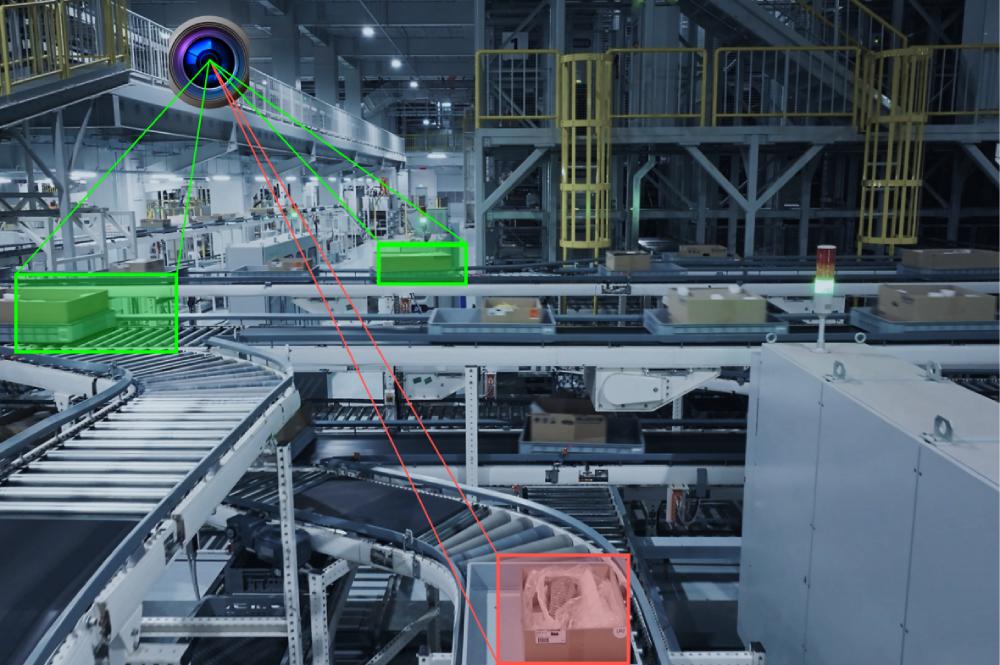
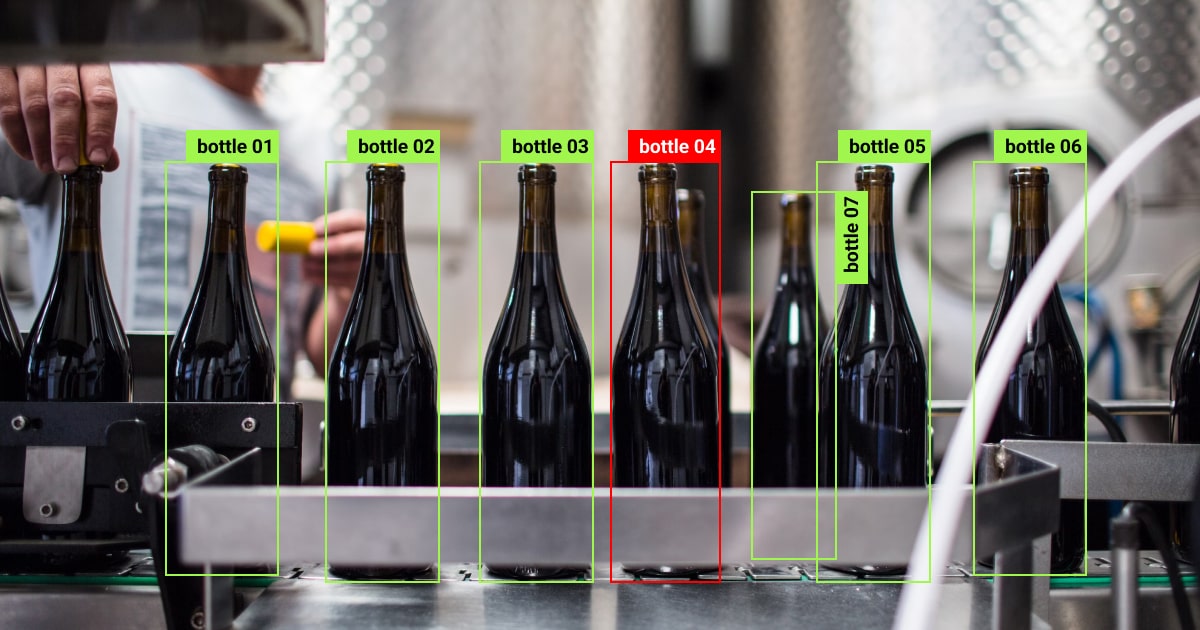
Computer vision lets machines “see” products, equipment, and processes.
Cameras capture visual data continuously along production lines.

AI algorithms analyze images to detect defects, misalignments, or missing components.
The system can even monitor production flow, safety compliance, and workspace utilization.

Unlike manual inspections, computer vision works 24/7.
It does not tire, miss details, or slow down on busy days.

This makes it ideal for high-volume, fast-paced manufacturing environments.

Key Benefits:

  • Accurate defect detection: Catch scratches, cracks, and misplacements.

  • Consistency: Every item is inspected with the same rigor.

  • Real-time monitoring: Identify and fix problems immediately.

  • Reduced downtime: Stop defects from escalating into costly issues.

  • Operational efficiency: Keep production flowing without interruptions.


Real-World Applications of Computer Vision

Computer vision is versatile and applies to multiple industries.
 

Quality Control


In automotive, food, and pharmaceutical manufacturing, precision is critical.

Computer vision inspects surfaces, assembly, and packaging faster than humans.
It identifies defects early, reducing waste and ensuring compliance.


Safety Monitoring


Factories are dangerous environments.
Computer vision can monitor hazardous zones and enforce safety rules.

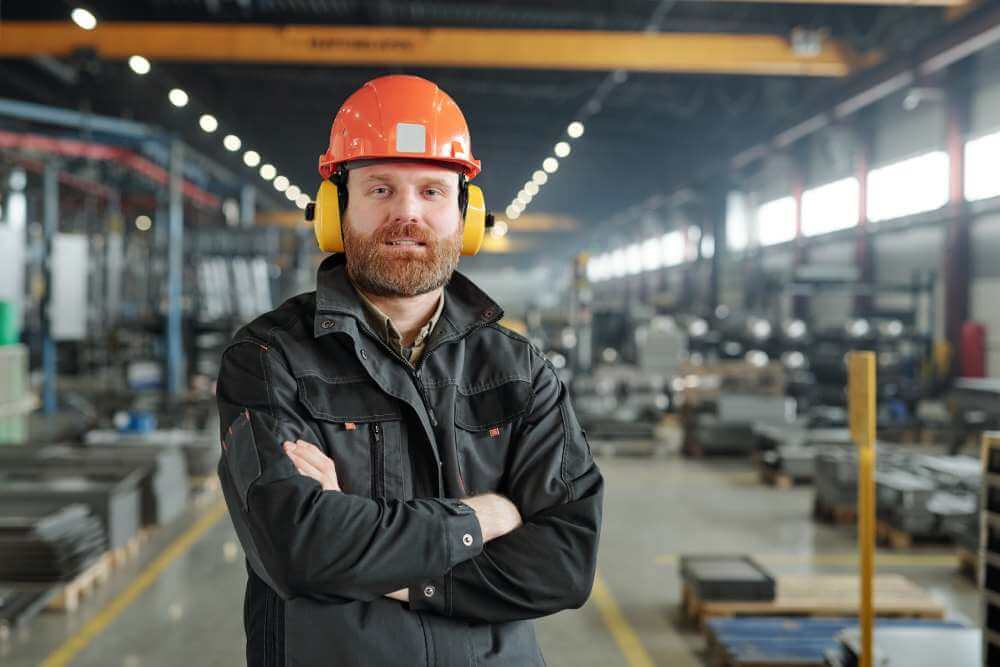
It can detect missing personal protective equipment and unsafe equipment use.
Immediate alerts prevent accidents and protect staff.


Productivity Tracking


Real-time tracking of operators, machines, and materials is possible.
Shifts, bottlenecks, and idle times can be measured precisely.

Managers gain actionable insights without relying solely on manual reporting.
 

Inventory and Logistics


Misplaced tools, materials, or products cause delays.

Computer vision tracks items across large warehouses and production floors.
It ensures efficient use of space and resources.


Linking Computer Vision to OEE and Continuous Improvement

OEE, or Overall Equipment Effectiveness, measures how well a factory is performing.
It combines availability, performance, and quality metrics into a single score.

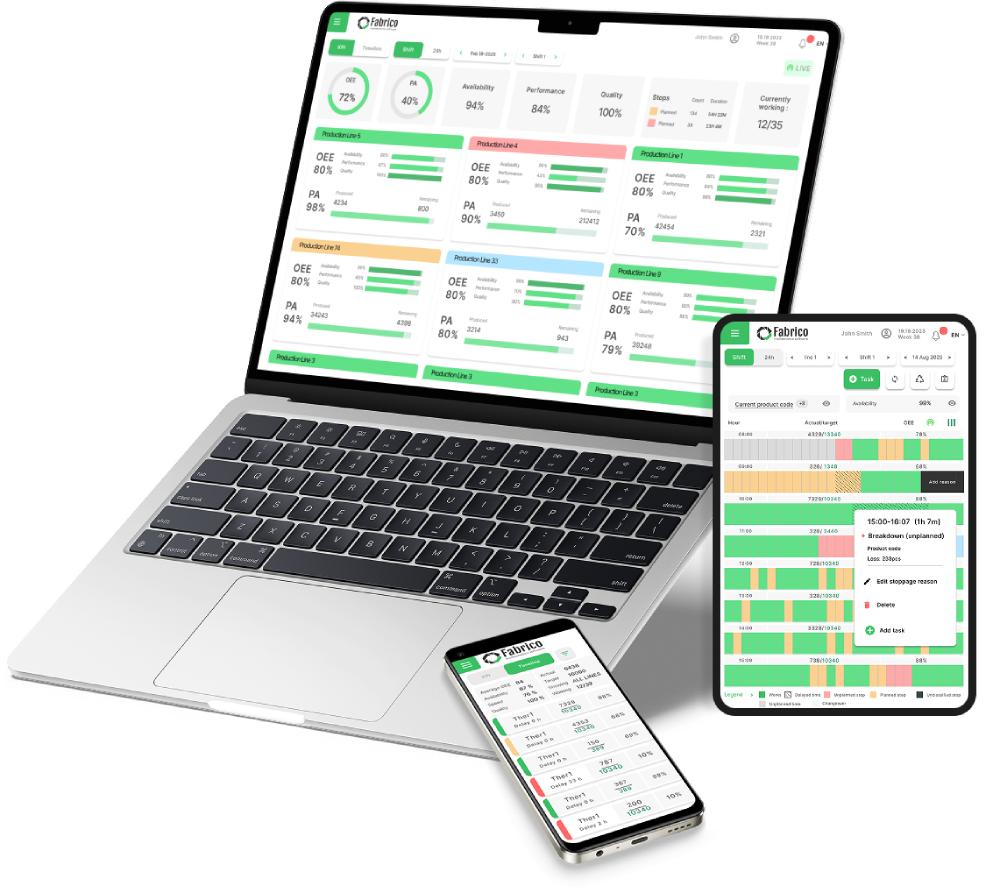
Computer vision integrates directly with Fabrico’s OEE module.
It automatically feeds visual data into the system.

Managers get accurate insights into downtime, defects, and production rates.

This integration allows for:

  • Faster identification of losses: Detect bottlenecks and inefficiencies immediately.

  • Data-driven improvements: Make changes based on verified visual data.

  • Continuous optimization: Monitor results and adjust processes in real time.


Factories no longer have to wait for human reports.
Decision-making becomes proactive, not reactive.


OEE-clean-dashboards

Take a live tour with a product expert
Request a demo

Why Computer Vision Is Essential for Industry 5.0

Industry 5.0 emphasizes collaboration between humans and machines.
Computer vision is a perfect fit.

It handles repetitive, visual tasks, freeing human operators to focus on creativity and problem-solving.

It supports Lean Six Sigma principles by:

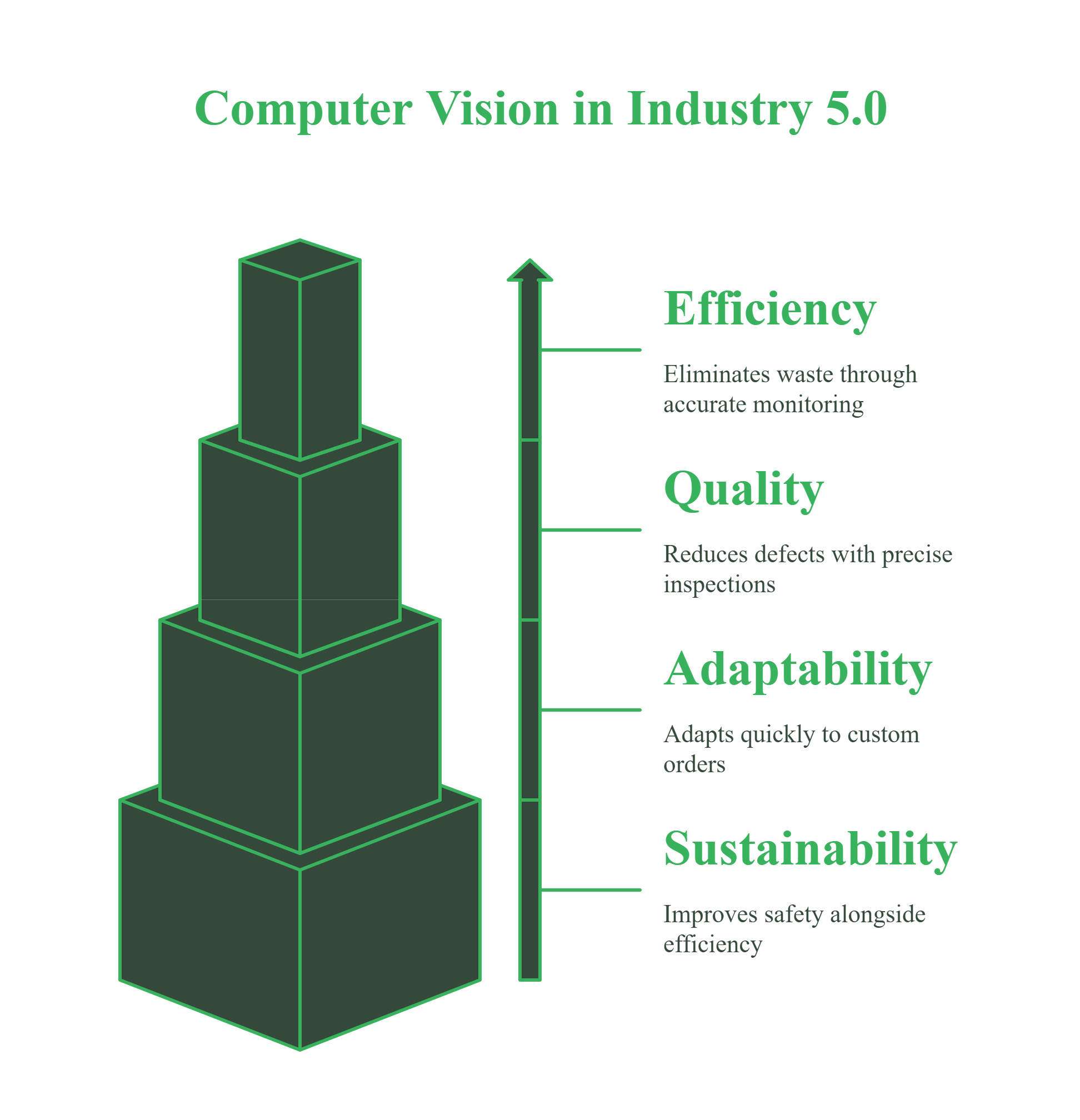
  • Eliminating waste through accurate monitoring.

  • Reducing defects with precise inspections.

  • Providing data to inform continuous improvements.

Manufacturers can scale production while maintaining quality.
They can adapt quickly to custom orders or sudden changes.

Sustainability and safety improve alongside efficiency.

Implementing Computer Vision Successfully

While powerful, computer vision requires thoughtful implementation.


Challenges include:

  • Data quality: Systems need clear, labeled images to work accurately.

  • Integration: Align cameras and AI with production equipment.

  • Maintenance: Models must be monitored and updated over time.

  • Skilled personnel: Teams must understand both production and AI tools.

Fabrico helps simplify this.
Its OEE module integrates seamlessly with computer vision systems.


You get actionable insights without the complexity of building separate AI infrastructure.

Future Outlook: Smarter, Safer, and More Efficient Factories

The factories of tomorrow will be more adaptive.
Humans and machines will work in harmony.

AI and computer vision will monitor processes in real time.
Data-driven decisions will become the norm.

Manufacturers embracing these tools now will have a clear competitive advantage.
They will reduce waste, improve quality, and deliver customized products faster.

Conclusion

Computer vision is no longer optional.
It is the missing link for Industry 5.0.
It enables collaboration, quality, efficiency, and safety in modern manufacturing.

When integrated with Fabrico’s OEE module, computer vision becomes actionable.
Managers can track, measure, and optimize production in real time.
The result is higher quality, less downtime, and smarter operations.

Ready to see it in action?

Book a demo with Fabrico today and discover how computer vision can transform your production floor.

Latest from our blog

Define Your Reliability Roadmap
Validate Your Potential ROI: Book a Live Demo
Define Your Reliability Roadmap
By clicking the Accept button, you are giving your consent to the use of cookies when accessing this website and utilizing our services. To learn more about how cookies are used and managed, please refer to our Privacy Policy and Cookies Declaration