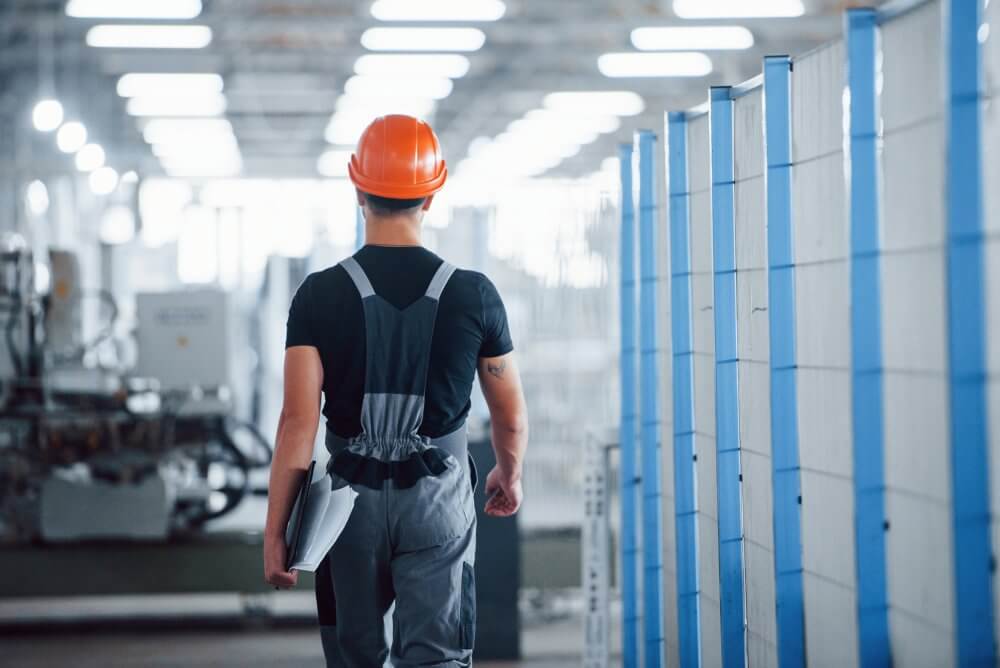
The most dangerous time in any factory is not when the machines are running at full speed. It is 6:00 AM and 6:00 PM.
This is the Shift Change. It is the moment where responsibility transfers from one human to another.
In most plants, this process is informal. The night shift lead scribbles a few notes on a whiteboard or spends 5 minutes chatting with the morning lead. "Pump 4 is acting up, and I tightened the belt on Line 2."
Then the morning lead gets busy, forgets the comment about Pump 4, and two hours later, the pump seizes.
This is the "Broken Telephone" effect. It causes rework, safety incidents, and downtime.
To run a reliable plant, you must move from Oral Tradition to Digital Record. Here is how to use Fabrico to formalize your Shift Handovers.
The Problem with "Talking"
Conversation is not documentation.
-
Memory is Flawed: Tired technicians leaving a 12-hour shift forget details.
-
No Audit Trail: If an accident happens, "He told me it was safe" is not a legal defense.
-
Data Silos: The Production Manager usually isn't in the room during the Maintenance Handover, so they miss critical context.
Strategy 1: Auto-Generate the Log (Don't Write It)
The biggest friction point in handovers is asking technicians to "write a report" at the end of a long shift. They hate it, so they write as little as possible.
The Fabrico Solution:
Fabrico writes the report for them.
Because technicians have been logging work in the app all shift, the system already knows what happened.
When the Shift Lead clicks "Create Handover," Fabrico pulls in:
-
Completed Work: "Replaced Sensor A, Lubricated Chain B."
-
Open Risks: "Pump 4 is vibrating (Work Order #102 Pending)."
-
OEE Context: "Line 1 ran at 92% efficiency; Line 2 was down for 3 hours."
The technician only needs to add context notes ("Watch out for the leak"), rather than rewriting the whole day's history.
Strategy 2: The "Mandatory Read" (Forced Awareness)
Information is useless if the incoming shift doesn't read it.
In a paper system, the logbook sits on a desk. In Fabrico, the logbook is a Gate.
You can configure the workflow so that when the Morning Shift logs into the app, the first thing they see is the Night Shift Report.
-
They review the open safety risks.
-
They review the priority jobs left over.
-
They click "Acknowledge."
This creates a digital signature. You now have proof that the incoming tech knows about the issue. They cannot say "Nobody told me."
Strategy 3: Connecting Production and Maintenance
Shift handovers often happen in silos. Production has their meeting; Maintenance has theirs.
Fabrico breaks this wall.
Because Fabrico tracks both OEE (Production) and Work Orders (Maintenance), the Handover Report creates a shared reality.
This synchronization allows Maintenance to plan their work around Production's schedule, reducing the "Waiting" waste.
Implementation: The 3-Question Rule
To get your team started, don't overcomplicate the manual notes. Ask the outgoing lead to answer three specific questions in the digital log:
-
What is broken right now? (Critical Risks)
-
What did we bandage? (Temporary repairs that need a permanent fix)
-
What is the plan for the next 4 hours? (Priorities)
Everything else (routine PMs, parts used) is auto-populated by the software.
Summary: Standardization is Safety
A structured handover isn't just about efficiency; it's about safety.
If a technician locks out a machine but forgets to tell the next shift why, you are creating a hazard. Digital handovers ensure that safety status persists across shift boundaries.
Stop relying on sticky notes.
[Book a Demo with Fabrico] to see how our Digital Logbook keeps your shifts aligned and your factory safe.


 Login
Login
 Blog
Blog