For a Continuous Improvement (CI) Manager, the Maintenance Department is often a source of frustration.
While Production has been optimized with Lean principles, Six Sigma, and Kaizen events, Maintenance often remains a "Black Box" of inefficiency.
Technicians walk back and forth to the shop (Motion). They wait for approvals (Waiting).
They fix the same machine three times because the root cause wasn't found (Defects/Rework).
In Lean terminology, this is Muda (Waste).
If you simply "digitize" this process, by giving technicians a tablet to fill out the same bad forms, you haven't improved anything. You have just digitized the chaos.
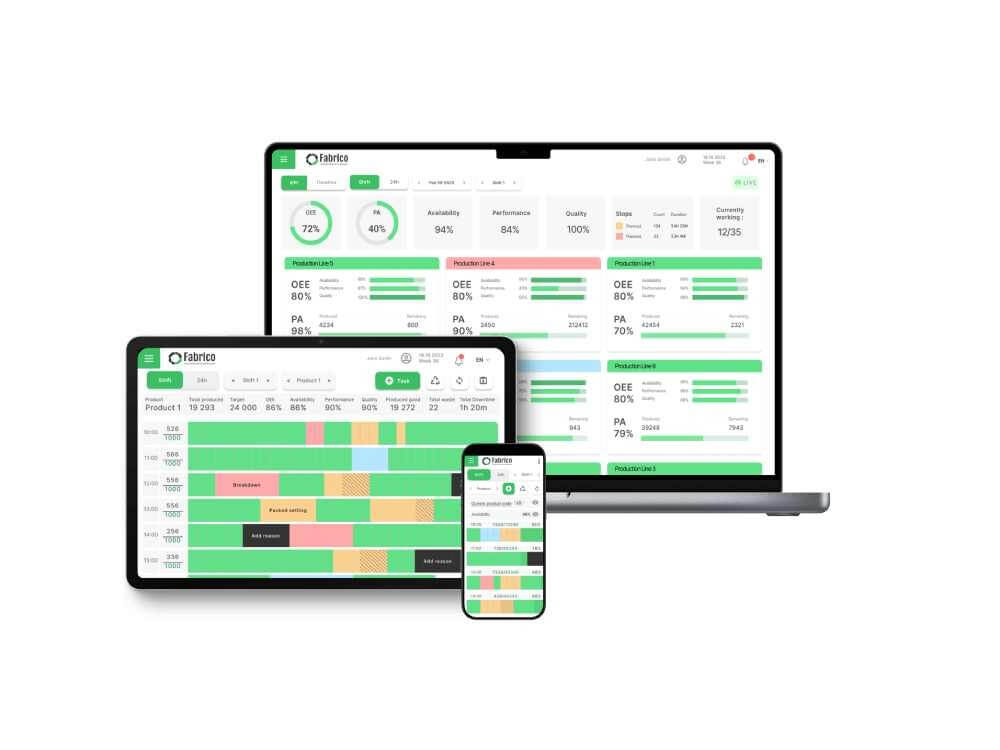
Lean Maintenance Software is different. It is designed specifically to attack the 8 Wastes of Lean. Here is how Fabrico acts as your digital Kaizen partner in 2026.
1. Killing the Waste of "Motion"
The Problem: The average industrial technician spends only 35% of their shift fixing machines ("Wrench Time"). The rest is spent walking—to the office to print a Work Order, to the library to find a manual, or to the supervisor to get a signature.
The Lean Solution: Bring the information to the asset.
How Fabrico Does It:
-
Mobile-First Execution: The technician receives the Work Order on their device.
-
QR Code Access: Scanning the machine instantly pulls up the Asset History and Manuals.
-
Result: The technician never leaves the machine until the job is done. Walking time drops; Wrench time doubles.
2. Killing the Waste of "Waiting"
The Problem: A machine breaks. The operator calls the supervisor. The supervisor radios the maintenance lead. The lead looks for a technician. This "Communication Lag" accounts for 20-30% of total downtime.
The Lean Solution: A direct digital link between the "Customer" (Operator) and the "Supplier" (Technician).
How Fabrico Does It:
-
Direct Dispatch: The operator scans a QR code to request help.
-
Push Notifications: The assigned technician gets a buzz in their pocket instantly.
-
Asset BOMs: The Planner links the correct spare parts to the ticket before assigning it, so the technician doesn't wait at the store room counter.
3. Killing the Waste of "Defects" (Rework)
The Problem: Fixing a machine incorrectly leads to "Rework." Often, this happens because the technician treats the symptom (e.g., a cleared jam) rather than the root cause (e.g., a misaligned guide rail).
The Lean Solution: Root Cause Analysis (RCA) and Standardization.
How Fabrico Does It:
-
Inefficiencies Zoom-In: By integrating Computer Vision, Fabrico lets the technician watch a video replay of the breakdown. They see exactly why it failed.
-
Digital SOPs: Standardized Operating Procedures ensure that Junior Tech A and Senior Tech B perform the repair exactly the same way, reducing variability.
4. Killing the Waste of "Over-Processing"
The Problem: Performing maintenance that adds no value. Example: Changing the oil on a press every month, even though the press was idle for 3 weeks. This consumes parts and labor for zero reliability gain.
The Lean Solution: Pull-Systems (Just-in-Time).
How Fabrico Does It:
-
Usage-Based Triggers: Fabrico connects to the machine's PLC. It triggers the PM only when the machine hits 500 Run Hours.
-
The Impact: You do less maintenance, but it is higher value maintenance.
5. Killing the Waste of "Non-Utilized Talent"
The Problem: Your highly skilled engineers are spending their time data-entering work orders or searching for PDF manuals. This is a waste of human potential.
The Lean Solution: Automation and AI support.
How Fabrico Does It:
-
Fabrico Assistant (GenAI): Instead of searching through binders, the technician asks the AI: "What is the torque spec for the drive shaft?"
-
The Shift: The technician spends their brainpower solving the mechanical problem, not fighting the documentation system.
The Fabrico Framework: The Digital Andon Cord
In the Toyota Production System, the "Andon Cord" allows anyone to stop the line to fix a quality issue.
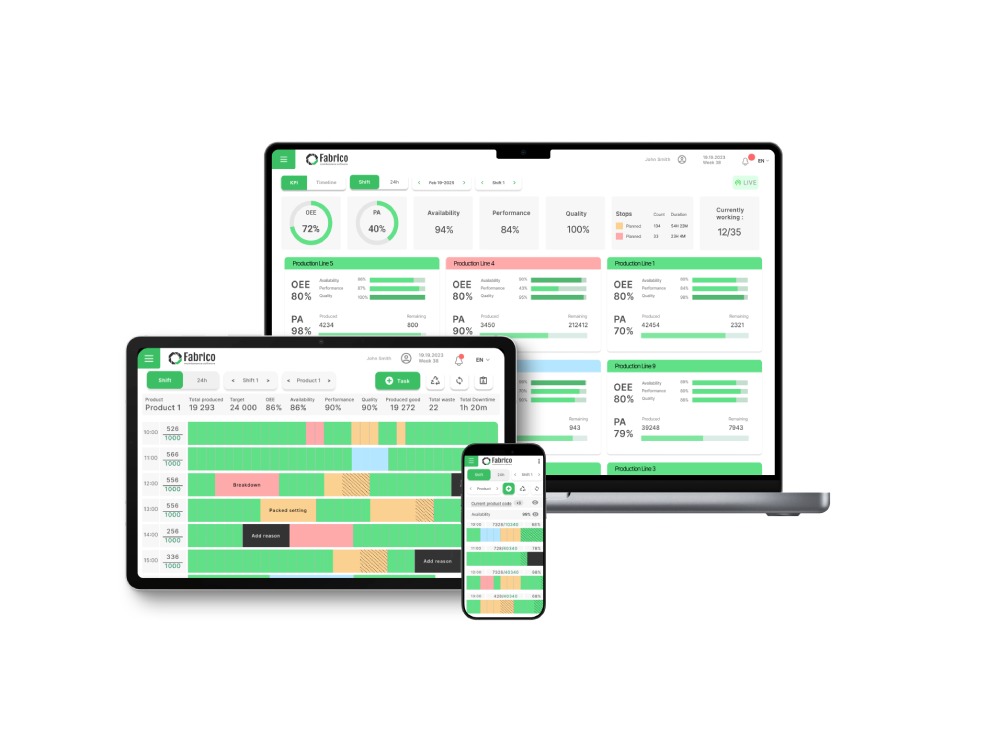
Fabrico is the Digital Andon Cord for your equipment health.
-
Detect: Operator or PLC triggers an alert (Andon Pull).
-
Respond: Technician is deployed via Push Notification.
-
Solve: Video Zoom-In identifies the root cause.
-
Standardize: The fix is documented in the digital history to prevent recurrence.
Conclusion: Lean Requires Tools
You cannot implement Lean Maintenance with a whiteboard and a radio. You need a nervous system that connects data to action instantly.
Fabrico is built to eliminate waste, not just record it.
Stop the Muda.
[Request a Demo] and run a Lean Maintenance pilot today.


 Login
Login
 Blog
Blog