In many factories, there is an invisible wall running down the middle of the shop floor.
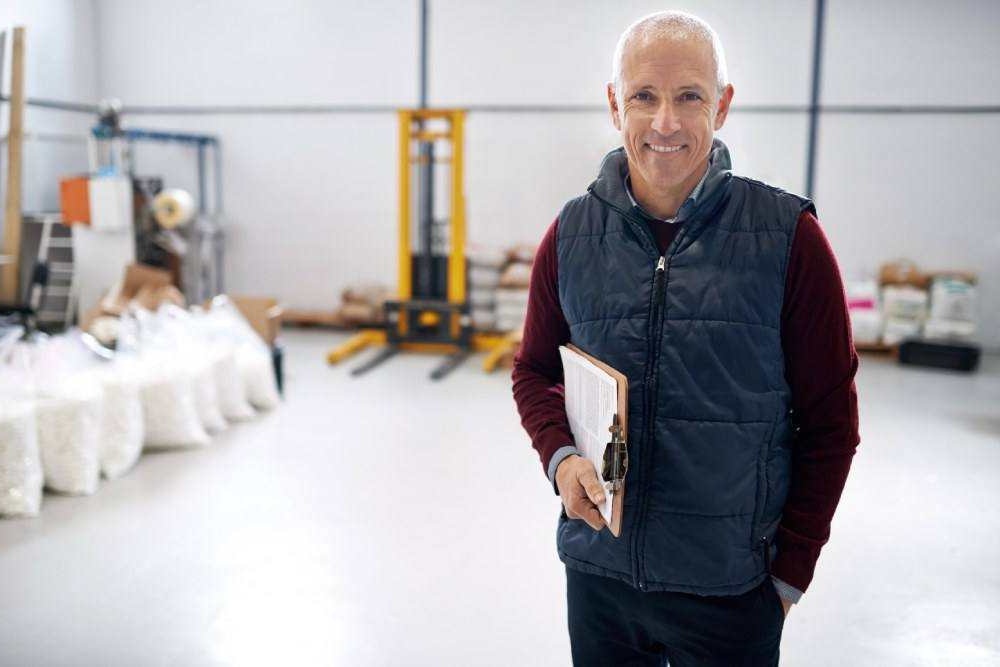
On one side is Production. Their goal is "Output." They run the machines until they break, then they cross their arms and wait.
On the other side is Maintenance. Their goal is "Reliability." They are constantly frustrated by the lack of care shown to the assets.
This "Us vs. Them" mentality is the single biggest killer of efficiency. It leads to a reactive cycle where highly skilled technicians waste time fixing minor issues that could have been prevented by a simple inspection.
The solution isn't just better tools; it's a better philosophy. It is called Operator Driven Reliability (ODR).
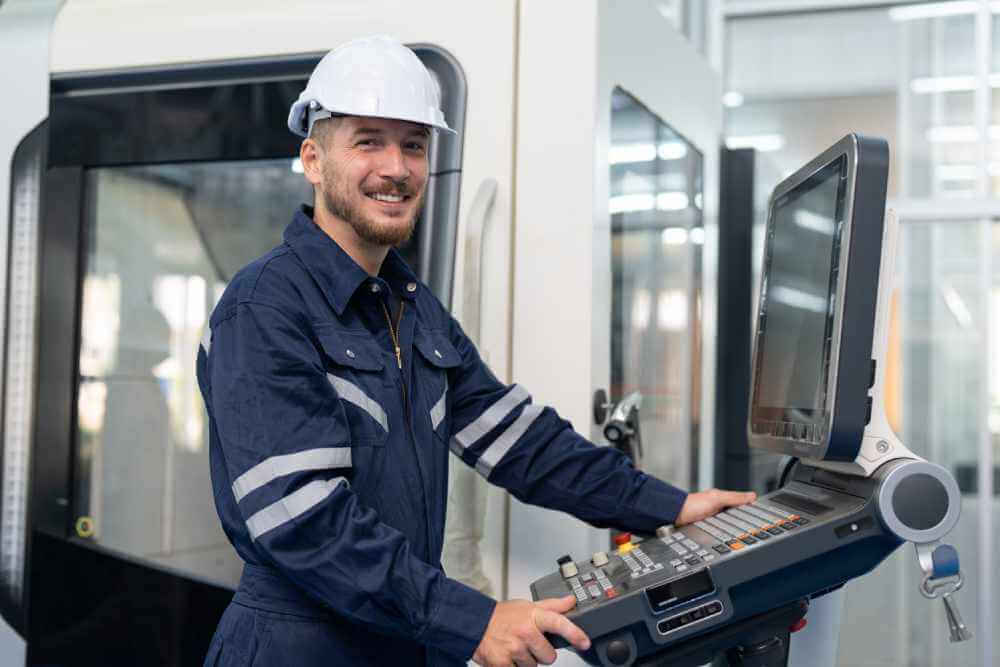
ODR is the foundation of Total Productive Maintenance (TPM). It empowers the people closest to the machine—the operators—to become the "First Line of Defense" against downtime.
Here is how to build an ODR culture that bridges the gap, using digital tools to make it stick.
What ODR Is (and What It Isn't)
There is a common misconception that ODR means "getting rid of maintenance technicians." This is false.
ODR is about Task Allocation based on Skill.
-
Operator Role (ODR): "Basic Care." Cleaning, Inspection, Lubrication (CIL), and tightening loose bolts. They own the condition of the asset.
-
Technician Role: "Specialized Care." Root cause analysis, complex repairs, overhauls, and predictive work. They own the capability of the asset.
When operators handle the basic care, technicians are freed from "firefighting" to focus on true reliability engineering.
Why Paper Kills ODR Initiatives
Many Plant Managers have tried ODR and failed. Usually, the failure looks like this:
-
Management prints out CIL (Clean, Inspect, Lube) checklists.
-
Operators are told to check the machine every shift.
-
Operators tick the boxes without looking ("Pencil Whipping") just to get back to production.
-
The machine breaks anyway.
-
Management abandons the program.
The problem wasn't the concept of ODR; it was the execution. Paper forms are a burden. They offer no feedback, no guidance, and no value to the operator.
The Digital Bridge: How Software Enables ODR
To make ODR work, you must remove the friction. Reporting a problem should be easier than ignoring it.
1. Visual Standards (Show, Don't Tell)
Paper says: "Check chain tension."
Digital says: "Does the chain look like this photo (Good) or this photo (Bad)?"
By using Digital Checklists on a tablet, you provide operators with visual standards. This gives them the confidence to know what they are looking for, turning a guess into an inspection.
2. The "One-Click" Request
If an operator finds a leak during an inspection, what happens?
-
Traditional: They have to find a supervisor or write a note.
-
Digital (Fabrico): They scan a QR Code, snap a photo of the leak, and hit "Send."
The Maintenance Team receives the request instantly. The operator feels heard. The loop is closed.
3. Gamification and Feedback
Operators care about winning. If ODR feels like a chore, they won't do it.
If you connect ODR to OEE (Overall Equipment Effectiveness), it becomes a game.
-
"Team A completed 100% of their inspections and had zero micro-stops today."
-
"Team B missed their inspections and had 4 jams."
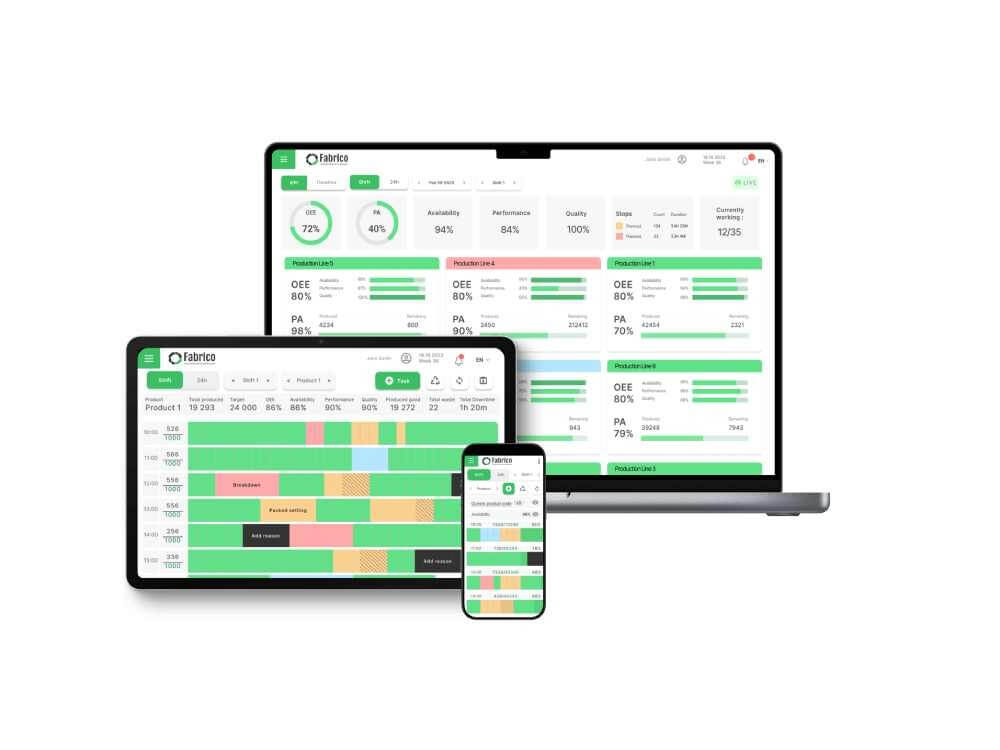
Digital dashboards make the link between "Care" and "Performance" visible to everyone on the floor.
The Strategic Payoff: The "Hidden Factory"
Why should a VP of Operations invest in ODR? Because of the Hidden Factory.
Most lost production isn't caused by catastrophic explosions. It is caused by thousands of "Micro-Stops"—jams, sensor errors, and minor faults that last 2 minutes.
Technicians can't fix micro-stops; they aren't there when they happen.
Only operators can prevent micro-stops through cleaning and adjustment.
Implementing ODR is the only way to recover that lost capacity without buying new machines.
How to Start Your ODR Journey
-
Start Small: Pick one pilot line or machine. Don't try to change the whole factory at once.
-
Define the "CILs": Work with your technicians to define the critical Clean, Inspect, and Lube points.
-
Digitize: Put those points into a mobile app like Fabrico. Do not use paper.
-
Train: Show operators how to inspect, using the digital tool as the guide.
-
Respond: This is crucial. When an operator reports a defect via the app, Maintenance must fix it quickly. If you ignore their reports, they will stop reporting.
Conclusion: One Team, One Goal
ODR is more than a maintenance strategy; it is a manufacturing strategy.
It breaks down the wall between "Us" and "Them." It creates a single team focused on a single goal: A healthy, high-performing factory.
Empower your operators.
[Request a Demo] and see how Fabrico’s Digital CILs make ODR easy.


 Login
Login
 Blog
Blog