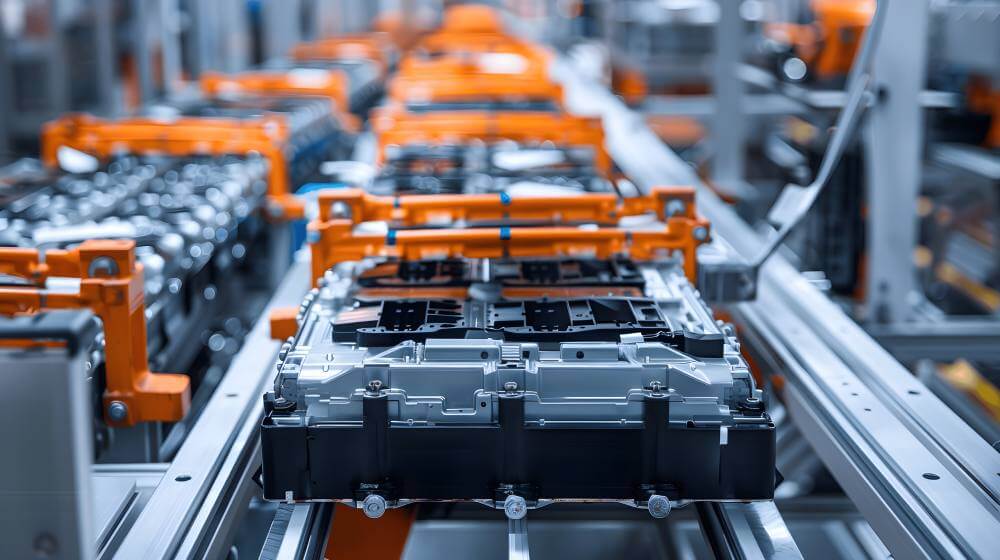

Bezpieczeństwo w pomieszczeniu do ładowania akumulatorów obejmuje zagrożenia koncentrujące się tam, gdzie ładują się akumulatory wózków widłowych i przemysłowe: wydzielający się podczas ładowania wodór, elektrolit (kwas), połączenia prądu stałego o dużym natężeniu oraz baterie ważące wielkaset kilogramów przemieszczające się na rolkach i wciągnikach. Strefy ładowania łatwo traktować jak miejsca postojowe, a wszystko, co w nich niebezpieczne, jest niewidoczne, dopóki nie stanie się inaczej.
Akumulatory ołowiowo-kwasowe wydzielają wodór podczas ładowania, najsilniej pod koniec procesu ładowania.
Wodór jest bezbarwny, bezwonny, natychmiast unosi się do góry i staje się zapalny przy około 4 procentach w powietrzu, dlatego wszystkie przepisy w tej kwestii zbiegają się na tym samym trójpaku: wentylacja zaprojektowana na najgorsze obciążenie ładowania (z potwierdzonymi wymianami powietrza lub wyciągiem
a nie przyjętymi z założenia), kontrola zapłonu w strefie sufitowej, gdzie gromadzi się wodór, oraz w wielu rozwiązaniach detekcja wodoru alarmująca dobrze poniżej progu palności, utrzymywana z tą samą dyscypliną co każde wykrywanie gazów.
Pomieszczenie do ładowania obsługuje 12 akumulatorów wózków widłowych przez noc. Projektowana wentylacja: wentylator wyciągowy sterowany blokadą ładowarek, dobrany tak, aby przy wszystkich włączonych ładowarkach stężenie wodoru przy suficie nigdy nie przekraczało 1 procenta.
Podczas kwartalnej kontroli (to dokładnie konserwacja wentylatora, tu stawki są wyższe) zmierzony przepływ powietrza spadł o 40 procent, pasek się ślizgał, a krata była zapchana kurzem.
Rachunek: przy 60-procentowym przepływie i jednoczesnym kończeniu ładowania przez wszystkie ładowarki stężenie przy suficie może prawdopodobnie przekroczyć 2 procent, jedna zła noc i jesteśmy w zakresie zapłonu. Naprawa to wymiana paska, czyszczenie i ponowne sprawdzenie przepływu powietrza, godzina pracy. Alternatywny tryb awarii ma własną nazwę w raportach strat: przemieszczenie dachu pomieszczenia ładowania.
Fabrico utrzymuje niewidoczne systemy pomieszczenia w sposób udokumentowany: wentylator, detektory wodoru, ładowarki, stanowisko do płukania oczu i urządzenia do obsługi zarejestrowane jako aktywa z harmonogramami inspekcji i testów; odczyty przepływu powietrza i testy detektorów zapisywane z wartościami; usterki eskalowane priorytetowo ze względów bezpieczeństwa; oraz historia sprzętu do ładowania, która przemienia to pomieszczenie z mrocznego kąta w system objęty utrzymaniem.
Fabrico nie projektuje wentylacji ani nie ustala wymagań prawnych; robią to inżynierowie, a Fabrico sprawia, że ich założenia pozostają prawdziwe. Zbudowane w UE, z przechowywaniem danych w UE.
Dopasuj inżynierię do skali, zachowaj logikę: nawet dwa akumulatory ładujące się w kącie wytwarzają wodór i zawierają kwas. Odpowiednia wentylacja, kontrola zapłonu, dostęp do stanowiska do płukania oczu oraz stan złączy dotyczą każdej wielkości; obciążenie biurokratyczne rośnie wraz ze skalą, fizyka, nie.
Kontrole funkcjonalne na miesięcznej trasie (wentylator działa, blokady działają, kratki czyste) oraz weryfikacja zmierzonego przepływu powietrza co najmniej raz w roku lub zgodnie z oceną ryzyka, a także bezpośrednio po każdej naprawie wentylatora lub przewodów. System wentylacyjny, który tylko wygląda na działający, jest najniebezpieczniejszym elementem pomieszczenia.
Rozproszone szybkie ładowanie przenosi problemy związane z wodorem i instalacją elektryczną z jednego pomieszczenia do wielu punktów: każde stanowisko wymaga takiej samej weryfikacji, odpowiedniej wentylacji ogólnego obszaru, stanu złączy oraz odległości od materiałów łatwopalnych i ruchu.
Chcesz, żeby wentylatory, detektory i stanowisko do płukania oczu w pomieszczeniu ładowania miały harmonogramy, które nigdy nie zawodzą? Zarezerwuj demo Fabrico, aby zobaczyć opiekę nad obiektami o dużych konsekwencjach realizowaną przez gotowy do użycia w terenie system CMMS.
Zobacz, jak Fabrico łączy OEE i utrzymanie ruchu w jednej platformie.
Zaplanuj demo









 Zaloguj
 Blog
Blog