
Програма за опазване на слуха е структурираният отговор, изискван когато шумът на работното място достигне нива за действие: измерване на шума, намаляване където е възможно, защита на оставащите изложени, годишно тестване на слуха и съхраняване на записи, които документират всичко това. Шумовата загуба на слуха е постоянна, безболезнена докато настъпва и, десетилетия след въвеждането на съвременни разпоредби, все още сред най-честите професионални заболявания в производството.
Повечето режими се ориентират по средно експониране за 8 часа: около 85 dB(A) започват задълженията по програмата (мониторинг, осигуряване на защита за слуха, обучение, аудиометрия), а при 90 dB(A) и нагоре защитата е задължителна и намаляването на шума се приоритизира.
Рамката на ЕС използва 80 и 85 dB(A) с абсолютен предел на нивото в ухото; подробностите варират, но същността не се променя. Тъй като децибелите са логаритмична скала, всяко увеличение с 3 dB удвоява звуковата енергия и намалява наполовина безопасното време на изложение: разликата между 85 и 91 dB(A) е фактор от четири.
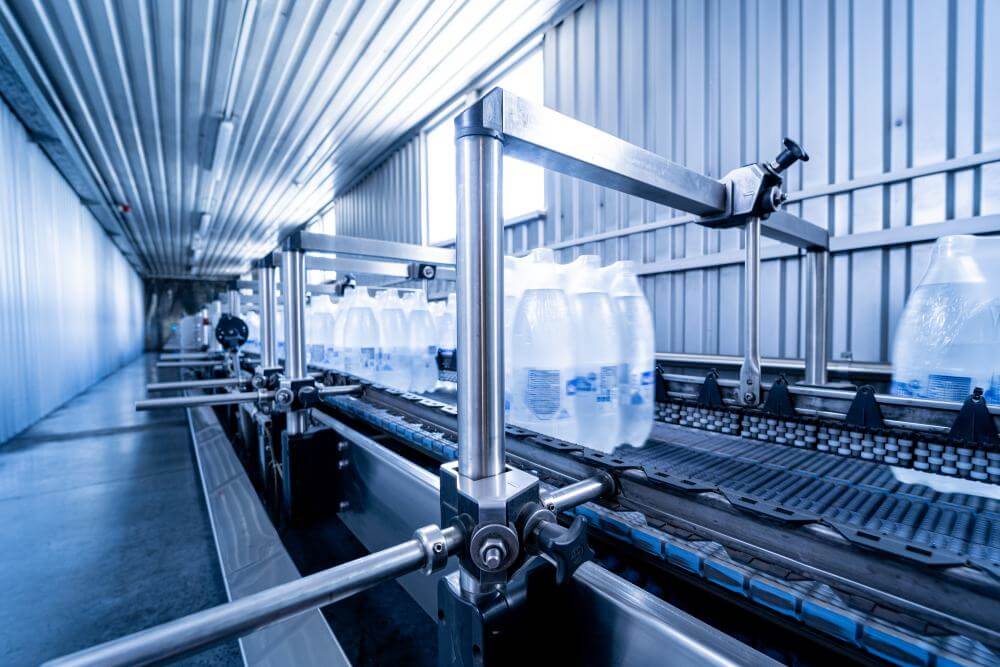
Двугодишното обследване на шума на завода картографира халата за опаковане: повечето станции са между 82 и 84 dB(A), но в една зона с палетизатор е регистрирано 93, с пет децибела повече от последното й обследване.
Повишената зона налага задължителна защита и се включва в опашката за намаляване на шума, но интересното откритие е диагностично: повишението се проследява до „крещящ“ лагер на задвижването на конвейера и хор от въздушни изтичания, и двете оперативни проблеми, а не конструктивни особености.
Лагерът е сменен (все пак беше на път да заклини), течовете са отстранени като част от програмата за сгъстен въздух, а повторното обследване отчита 86.
Шумът често е най-надеждният индикатор за състояние в завода: нарастващата карта на шума е оповестяване на натрупани задължения по поддръжката, още една причина обследванията да стоят до вибрационните данни, а не прибрани в чекмедже.
Иерархията на мерките за контрол действа с пълна сила: спецификации за покупка на тихо оборудване, заглушители на изпусканията на въздух, ограждения и демпфиране на хронични източници, бариери и увеличаване на дистанцията в разположението, и самата поддръжка, износени лагери, разхлабени предпазители и въздушни течове, са източници на шум с решения под формата на работни нареждания.
Личните предпазни средства са остатъчният слой: правилно подбрани за спектъра, действително използвани и проверени; тапата за уши с номинал 30 dB осигурява много по-малко в реален слухов канал, поставена набързо.
Fabrico не е система за трудова медицина и не управлява записи от аудиометрия; това се прави от здравните доставчици и EHS платформи.
Fabrico покрива физическата половина: оборудване за контрол на шума (ограждения, заглушители, демпфери) като поддържани активи, корективни работи, предизвикани от обследвания, като смяната на лагера на палетизатора, проследена до приключване, графици на обследванията като повтарящи се задачи, така че двугодишната карта никога да не изтече тихомълком, и историята на поддръжката, която обяснява защо дадена зона е станала по-шумна.
По-тихите заводи са предимно по-добре поддържани заводи. Разработен в ЕС, с пребиваване на данните в ЕС.
По определен цикъл (обикновено на една до две години) и незабавно след промени, които биха могли да променят експозицията: ново оборудване, промени в разположението, увеличаване на производствената скорост. Обследване, по-старо от завода, който описва, е документация, не знание.
Да. Режимите задават отделни пикови граници за импулсния шум, защото единични интензивни удари увреждат слуха независимо от средното за деня. Процеси с много въздействия (пресоване, чукване) се нуждаят от измерване на пиковите нива, не само от средни стойности на дозиметрията.
Отсъствие на стандартни изменения на праговете в аудиометрията, намаляващ брой зони на картата на шума и спецификации за покупка на тихо оборудване, предотвратяващи нови източници. Спазването на използването на защита е средство; запазеният слух през цялата кариера е резултатът.
Искате ли резултатите от обследванията да се превърнат в проследена поддържаща работа, вместо да стоят като приложения към доклади? Запазете демо на Fabrico, за да видите как грижата за оборудването намалява шума в завода.
Вижте как Fabrico обединява OEE и поддръжката в една платформа.
Насрочете демо







 Вход
Вход
 Блог
Блог