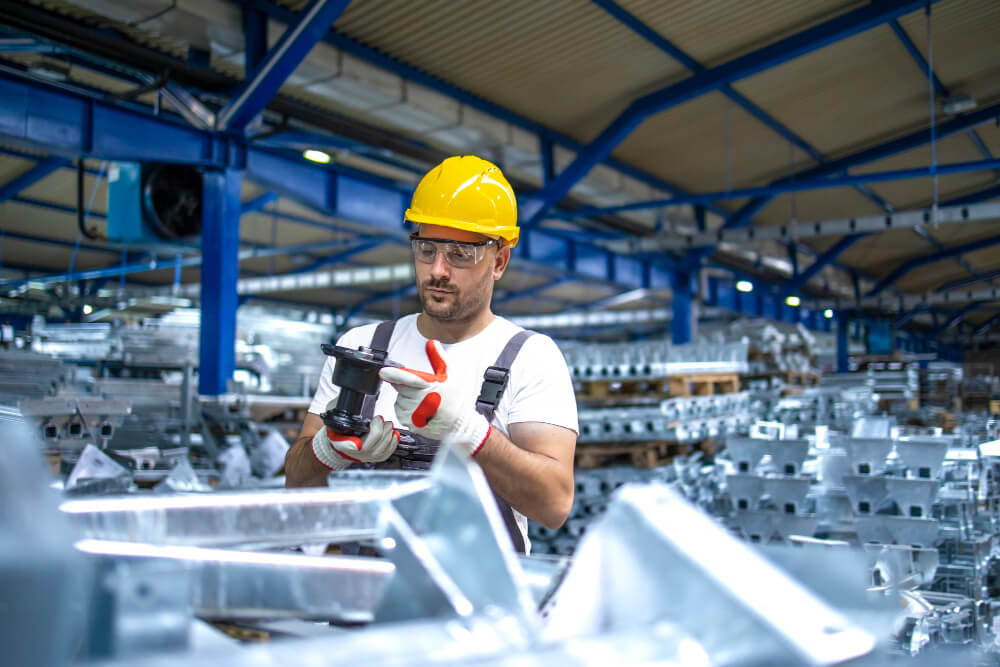
A gemba walk is a practice where managers and leaders go to the shop floor, the place where work actually happens, to observe processes, talk with the people doing the work, and understand how things really run. The goal is to learn and improve, not to inspect or blame.
Gemba is a Japanese term meaning the real place. In manufacturing, the gemba is the production floor. A gemba walk is a structured visit to that place to see the actual process, ask questions, and spot problems and opportunities that are invisible from an office or a report. It is a core practice in lean manufacturing and continuous improvement.
The point of a gemba walk is to understand the real conditions of work by direct observation. Leaders see how tasks are done, where operators struggle, and where waste, delays, and safety risks occur. Because it is grounded in what is actually happening, a gemba walk leads to better decisions than relying on second-hand data alone.
Gemba walks are even more powerful when paired with live shop-floor data. Seeing real-time OEE, downtime reasons, and production status gives leaders context for what they observe and helps them ask sharper questions. Direct observation and accurate data together turn a gemba walk into concrete improvement, backed by a CMMS to track any maintenance actions that come out of it.
A gemba walk is a visit to the shop floor, where work actually happens, to observe processes, talk with operators, and understand real conditions. It is a lean practice used to learn and drive continuous improvement.
The purpose is to understand work by direct observation rather than reports, so leaders can spot waste, barriers, and safety risks and make better decisions. It also builds trust by engaging the people who do the work.
There is no fixed rule, but many organizations do gemba walks regularly, such as weekly, and keep them short and focused. Consistency matters more than length, since the value comes from ongoing observation and follow-up.
See how real-time floor data supports continuous improvement. Book a Fabrico demo.
Request a demo




















 Login
Login
 Blog
Blog