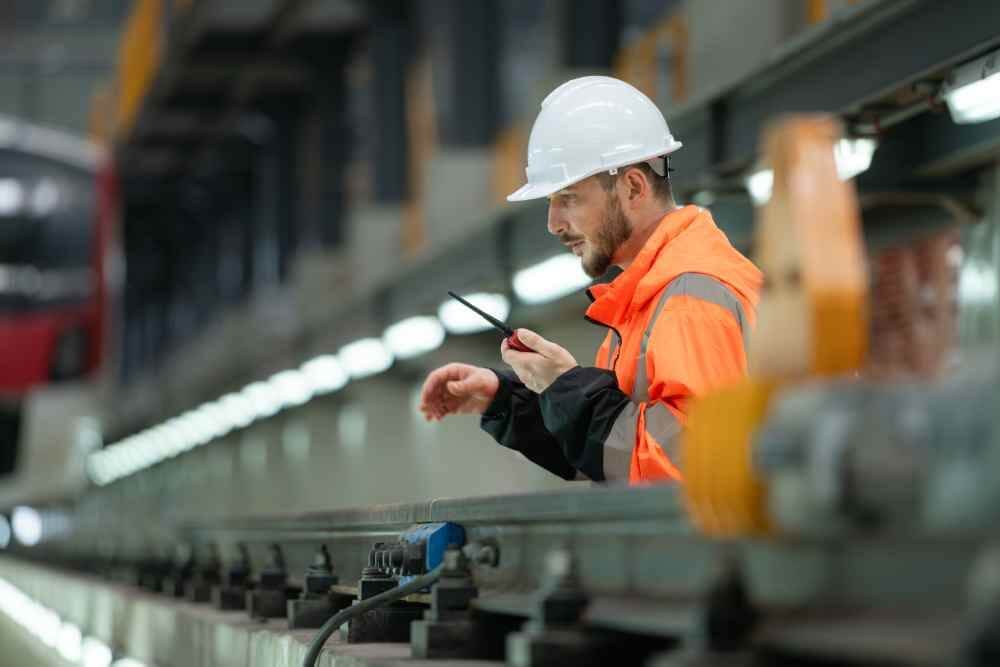
If you ask a Plant Manager how their factory is performing, they will show you a monthly report.
If you ask an Operator how the factory is performing, they will point to the pile of scrap at their feet.
This disconnect is the primary reason why strategic initiatives fail. The "Big Picture" goals never translate into daily actions on the shop floor.
The solution is not more emails or more town halls. The solution is a Daily Management System (DMS).
A DMS is the "Operating System" of your factory. It provides the structure, the rhythm, and the discipline required to win the day. It turns a chaotic reactive culture into a disciplined proactive machine.
Here is the strategic guide to building and implementing a DMS in 2026.
1. What is a Daily Management System?
DMS is not software. It is a set of behaviors.
It answers three simple questions every single day:
-
Did we win or lose yesterday? (Performance Review)
-
What is stopping us from winning today? (Constraint Analysis)
-
Who is doing what about it? (Action Planning)
If your team cannot answer these questions within the first 30 minutes of the shift, you do not have a management system. You have a guessing game.
2. The Structure: Tiered Accountability
To connect the operator to the plant manager, you need a "Bucket Brigade" of information. This is called Tiered Management.
Tier 1: The Shift Start (Team Level)
-
Who: Operators and Team Leader.
-
When: Start of shift (e.g., 6:00 AM).
-
Duration: 5 to 10 minutes.
-
Focus: Safety check, staffing, and the plan for the next 8 hours. "Machine 4 is running Job A. Bob is on vacation."
Tier 2: The Production Meeting (Department Level)
-
Who: Team Leaders, Supervisors, Maintenance Lead.
-
When: 30 minutes after start (e.g., 8:30 AM).
-
Duration: 15 minutes.
-
Focus: Reviewing the last 24 hours. "We missed the target on Line 2 because the labeler jammed. Maintenance is fixing it now."
Tier 3: The Plant Review (Site Level)
-
Who: Plant Manager, Department Heads (HR, Quality, Safety).
-
When: Mid-morning (e.g., 9:30 AM).
-
Duration: 15 minutes.
-
Focus: Escalations. "We have a material shortage that Tier 2 cannot solve. Supply Chain Manager, please call the vendor."
The Golden Rule: Problems must flow up. Support must flow down.
3. Visual Management: The Scoreboard
A DMS cannot function without data. But spreadsheets are useless here. You need Visual Management.
Walk into your factory. Can you tell if you are winning or losing in 5 seconds?
The Digital Shift:
In the past, we used dry-erase boards. But whiteboards have two flaws. They are hard to update, and the history is erased every day.
Using a Digital Dashboard (like Fabrico) ensures that the "Score" is updated automatically from the machines. When the Tier 1 team huddles, they are looking at real data, not numbers guessed by an operator.
4. The Escalation Protocol
The most critical part of a DMS is the "Help Chain."
When an operator faces a problem (e.g., a broken tool), what happens?
-
Weak System: They try to fix it themselves, fail, wait for a supervisor, and lose 2 hours.
-
Strong DMS: They trigger a digital alert. The Supervisor has 10 minutes to respond. If the Supervisor cannot fix it, it escalates to the Maintenance Manager.
Standardize the Response:
Your system must define who responds and how fast.
5. Leader Standard Work (LSW)
A DMS only works if the leaders show up.
If the Plant Manager skips the Tier 3 meeting, the system collapses.
You must implement Leader Standard Work. This is a schedule that dictates exactly when managers attend meetings and when they walk the floor (Gemba).
Conclusion: Discipline Over Heroism
Many factories run on heroism. They rely on a few "Super Supervisors" to run around and save the day.
This is not sustainable.
A Daily Management System replaces heroism with discipline. It ensures that the right conversations happen at the right time, every single day.
By implementing Tiered Meetings, Visual Scoreboards, and Digital Escalations, you build a factory that manages itself, allowing you to focus on growth instead of firefighting.


 Login
Login
 Blog
Blog