Puntos clave
Para software diseñado en torno a este tipo de visibilidad, consulta nuestra reseña sobre software de gestión del piso de producción.
La gestión visual es la práctica de diseñar el puesto de trabajo para que su estado sea obvio. Un vistazo te dice si una línea está en objetivo, dónde hay un problema, si las herramientas están en su sitio y qué debe ocurrir a continuación, sin una reunión ni una consulta.
La prueba es simple: ¿podría alguien nuevo entrar al piso y decir qué es normal y qué no, solo con mirarlo?
Funciona porque los humanos procesan las señales visuales mucho más rápido que el texto o los números enterrados en un sistema. Un marcador rojo, una sombra vacía en un tablero de herramientas, un conteo de producción que cae por debajo de una línea en un gráfico, todo se percibe al instante.
Lo opuesto a la gestión visual es la información encerrada en un sistema que la gente tiene que detenerse a recuperar. La gestión visual empuja el estado relevante hacia donde está el trabajo, de modo que actuar sobre él no requiere un desvío.
Es el mismo instinto detrás del Andon (señalar un problema en el punto) y del software de gestión del piso de producción (una vista en vivo donde ocurre el trabajo).
Los tableros de papel tienen una debilidad: solo están al día hasta la última persona que los actualizó, y no guardan histórico.
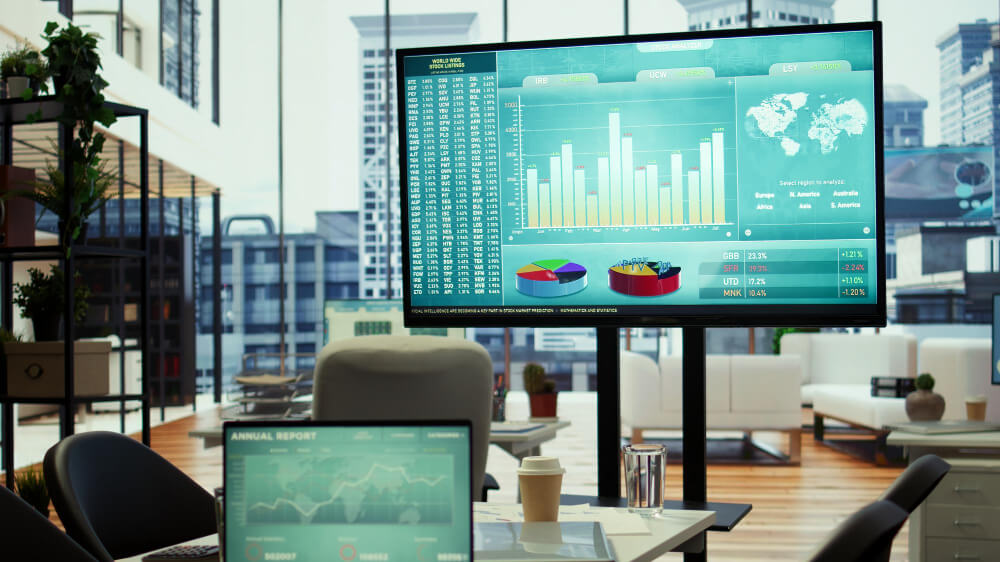
La gestión visual digital pone los números en vivo, el OEE, los tiempos de parada, objetivo frente a real, en una pantalla en el piso, actualizados automáticamente, con los datos también almacenados para análisis. La capacidad de ver un tablero de un vistazo, más precisión y un registro.
La clave es mantener la pantalla del piso simple; la profundidad del análisis vive detrás de ella, no en la pared.
Fabrico convierte el estado en vivo de cada línea, objetivo frente a real, OEE, paradas actuales y sus causas, en una vista lista para el piso que se actualiza automáticamente, de modo que el tablero siempre está al día y respaldado por datos almacenados en lugar de por un marcador que alguien olvidó mover.
Como un problema visible puede convertirse en una orden de trabajo en el mismo sistema, lo visual se conecta con una respuesta en vez de limitarse a mostrar un número rojo. Fabrico está diseñado y alojado en la UE teniendo en cuenta la residencia de datos y cuenta con la certificación ISO 27001.
Para poner una vista de estado siempre actual en tu piso, reserva una demostración.
Como siguiente paso práctico, compara las opciones principales en nuestra guía sobre el mejor software de gestión del piso de producción.
Diseñar el puesto de trabajo para que su estado sea obvio de un vistazo, permitiendo a cualquiera distinguir lo normal de lo anormal sin preguntar ni consultar un sistema. Herramientas como paneles con siluetas, marcas en el suelo, tableros de producción y luces Andon hacen que el estado del trabajo sea autoevidente.
Porque las personas leen las señales visuales mucho más rápido que el texto o los números enterrados, y porque coloca la información donde está el trabajo en lugar de en un informe que alguien debe recuperar. Los problemas se vuelven obvios inmediatamente y se pierde menos tiempo en preguntar y buscar.
Un tablero solo es gestión visual si está al día y conectado a una respuesta. Un tablero desactualizado o un panel con cuarenta métricas no leídas es solo decoración. Lo visual debe ser simple, preciso y vinculado a una acción esperada.
Los tableros digitales se mantienen al día automáticamente y conservan un historial, algo que el papel no puede hacer. El equilibrio consiste en mantener la pantalla del piso simple y dejar que el análisis resida detrás de ella. El objetivo es el mismo: estado visible de un vistazo, ahora con precisión y registro.
Vea cómo Fabrico unifica OEE y mantenimiento en una sola plataforma.
Programar una demo








 Iniciar sesión
 Blog
Blog