

Najnowsze wnioski
Krótka odpowiedź: Fizyczne karty kanban to papierowe lub plastikowe karty towarzyszące materiałowi, sygnalizujące uzupełnienie. Elektroniczny kanban zastępuje karty sygnałami programowymi przesyłanymi przez kod kreskowy, RFID lub przycisk. Fizyczny wygrywa w kwestii lokalnej dyscypliny wizualnej; elektroniczny w szybkości i skali. Środowiska mieszane, fizyczny przy stanowisku pracy, elektroniczny do uzupełnień od dostawców, zazwyczaj są najlepsze. Zobacz także Kaizen kontra Kanban.
Fizyczna karta kanban reprezentuje zatwierdzoną ilość części. Karta podróżuje wraz z pojemnikiem lub partią. Gdy pojemnik się opróżnia, karta wraca do punktu sygnałowego upstream, uprawniając do uzupełnienia.
Mocne strony:
Słabe strony:
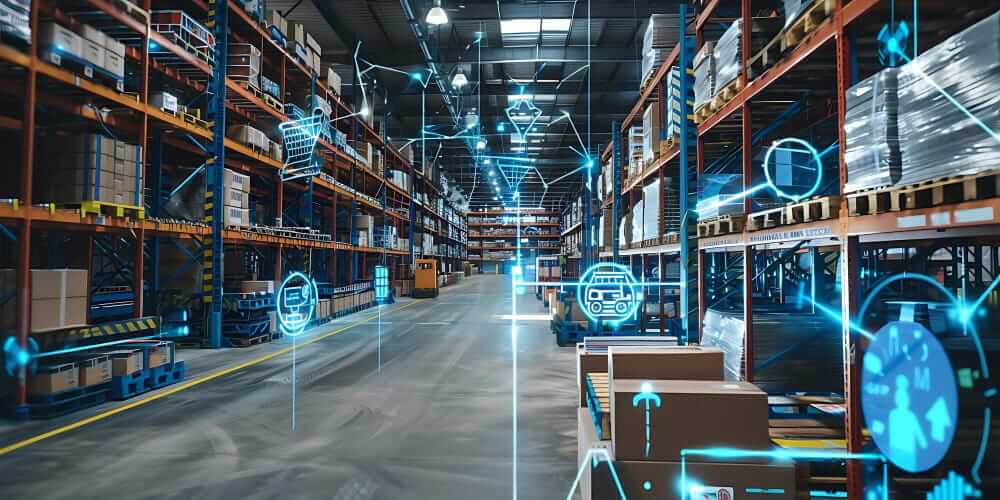
Elektroniczny kanban używa oprogramowania do reprezentowania karty. Wyzwalacze mogą być skanowania kodów kreskowych, odczyty RFID, naciśnięcia przycisków lub czujniki wagowe. Sygnały przesyłają się natychmiast na duże odległości.
Mocne strony:
Słabe strony:
Większość zakładów korzysta z obu rozwiązań:
Ten wzorzec utrzymuje dyscyplinę wizualną przy stanowisku pracy, jednocześnie zyskując szybkość i skalę tam, gdzie są potrzebne.
1. Przejście w pełni na elektronikę w celu „modernizacji” bez zachowania widoczności dla operatorów. Operatorzy tracą dyscyplinę wizualną; kanban staje się tłem.
2. Pozostanie w całości przy fizycznym, aby „pozostać lean” na dużą skalę. Karty się gubią, sygnały od dostawców są wolne, skalowanie jest ograniczone.
3. Traktowanie e-kanban jako zamawiania przez ERP. ERP działa w modelu push. Kanban działa w modelu pull. Integracja ma znaczenie.
4. Brak ograniczenia WIP. Zarówno przy fizycznym, jak i elektronicznym, kanban bez limitów pracy w toku to tylko efektowny system powiadomień.
Zarówno fizyczny, jak i elektroniczny kanban działają, ponieważ:
Utrata któregokolwiek z tych elementów pogarsza działanie kanbanu.
Kanban wiąże się z OEE poprzez przepływ:
Nowoczesna platforma OEE integruje się z systemami elektronicznego kanbanu: wykrywa zdarzenia zużycia, wyzwala sygnały uzupełnienia i ujawnia problemy z przepływem materiałów, które przejawiają się jako straty OEE.
Moduł OEE Fabrico integruje się z sygnałami elektronicznego kanbanu, uwidacznia straty wynikające z braku materiału i wspiera zarządzanie przepływem zarówno fizycznym, jak i elektronicznym.
Zobacz, jak Fabrico rejestruje to automatycznie, poznaj OEE dla produkcji lub umów się na demo.
Nie. MRP to planowanie w modelu push. Kanban to sygnalizacja w modelu pull. Oba zarządzają zapasami, ale działają na różnych zasadach.
Tylko jeśli wymaga tego skala lub odległość. Zachowaj rozwiązania fizyczne tam, gdzie działają.
Do śledzenia danych, tak; jako wskazówka wizualna dla operatora RFID jest niewidoczny. Często najlepsze jest rozwiązanie hybrydowe.
Zależy od czasu realizacji i zmienności popytu. Wzór: liczba kart kanban = (czas realizacji x średnie zużycie x współczynnik bezpieczeństwa) / rozmiar pojemnika.
Tak, kanban może sygnalizować sekwencję receptur i uzupełnianie buforów pośrednich w operacjach wsadowych.






 Zaloguj
 Blog
Blog