

OEE alerts can be a powerful way to protect throughput, quality and delivery performance. They can also become digital noise that operators ignore. For MES and OEE buyers, the difference lies in how alerts are designed: thresholds, who gets notified, and how those alerts connect directly to action on the shop floor.
This article explains how to create smart, actionable OEE alerts in a modern MES and OEE platform such as Fabrico, so that every notification helps you run a more stable and predictable plant instead of adding to alert fatigue.
Many plants start with good intentions. They configure OEE alarms for every deviation they can think of, from short stops to minor speed loss to micro-variations in quality. Within days, supervisors and operators are flooded with notifications that look important but rarely lead to meaningful action.
Three problems usually show up:
The result is alert fatigue. Your team gets used to dismissing warnings, and real opportunities to prevent downtime or scrap are missed.
For alerts to drive action, they must be grounded in accurate, real time data. A cloud based MES and OEE platform like Fabrico captures production counts, cycle times and downtime events straight from the machines. This provides a complete view of availability, performance and quality, which you can explore further in resources such as the OEE reporting guide.
On top of that data, Fabrico makes OEE losses visible as they happen and links them with its built in maintenance management capabilities. Instead of simply informing you that OEE has dropped, the platform can turn each loss into a production or maintenance action item, with clear responsibility and due dates.
Effective alerts start with realistic thresholds. MES and OEE buyers should look for flexibility in how thresholds are defined and tuned over time.
Overall OEE is useful, but it is not specific enough for alerts. A single combined number cannot tell you whether a problem comes from changeovers, speed loss or defects.
Design alerts around:
When your MES and OEE software can distinguish between these components, your alerts immediately become more actionable because they point to a specific part of the process.
Thresholds should reflect the real capability of the line, not a theoretical best case. An OEE platform that consolidates historical data helps you see what “normal” looks like per product, line and shift, as explained in more detail in Fabrico content about driving OEE with IoT and smart manufacturing.
Start by:
This keeps alerts focused on real deviations instead of routine variation.
OEE expectations are rarely the same across your plant. A high speed packaging line with frequent product changeovers behaves very differently from a continuous process line.
Look for the ability to configure thresholds at a granular level:
This allows you to tune alerts so that every team is measured against a realistic standard and gets notifications that actually matter.
Once thresholds are set, the next design decision is who receives which alert. Here, clarity of ownership is more important than volume of information.
People change shifts, go on vacation or move to other departments. If alerts depend on specific individual names, they become fragile.
Instead, define alert routing for roles:
A modern MES and OEE platform like Fabrico can associate alerts with roles and teams, so that staffing changes do not break the process.
Not every alert should interrupt a supervisor or trigger a maintenance intervention. Separate your alerts into clear tiers:
When designing your MES and OEE setup, decide in advance which type of event belongs to which tier, and ensure that every tier has an assigned owner.
Many problems are only meaningful when they persist. A brief performance dip might be normal, a drop that lasts for an hour is a different story.
Configure escalation rules such as:
By using duration and repetition in your rules, you avoid unnecessary noise while ensuring that chronic issues reach the right level of attention.
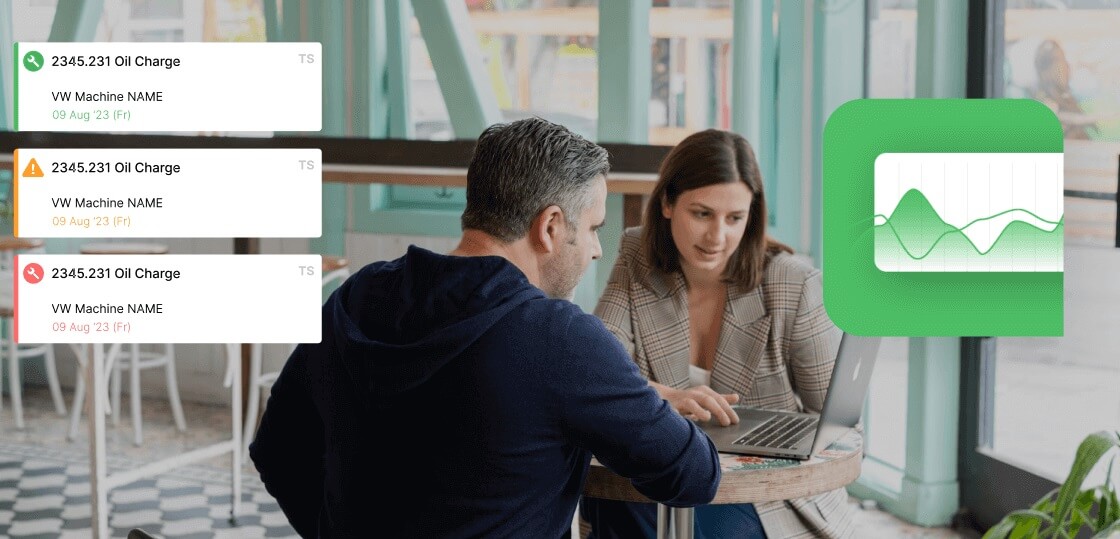
Alerts that only state "OEE dropped below 70 percent" do little to change outcomes. Alerts that create specific tasks are much more powerful.
Your MES and OEE software should categorize losses clearly: setup and changeover, unplanned downtime, speed loss, minor stops and quality issues. Fabrico uses this information to identify where time and yield are being lost in real time.
When you link alerts to this loss model, each notification can carry a cause code or suspected area:
This immediately points operators, supervisors and maintenance teams toward the right investigation.
Fabrico goes a step further by connecting OEE events to its built in maintenance and production workflows. Instead of asking people to manually log issues, the platform can:
This approach ensures that OEE losses are not only visible but also translated into clear, trackable actions inside the same environment.
To keep improving, you need feedback on your alerts. A strong MES and OEE platform will help you measure:
These insights tell you which alerts drive meaningful interventions and which need further refinement.
Alert fatigue is not only an annoyance, it is a risk to safety, quality and delivery. MES and OEE buyers should look for features and practices that keep alerts relevant and manageable.
Not every alert needs an email or mobile push. Many plants find that line side dashboards and large screens near production are the best first channel for displaying OEE status, recent stops and short term trends.
These visual indicators, driven by real time data from Fabrico, help operators and team leaders see issues as they develop. Only when certain conditions are met, such as sustained OEE loss or repeated failures, should the platform escalate to personal notifications.
Work with your vendor to ensure that your MES and OEE platform can:
These capabilities help maintain focus during high pressure situations and reduce unnecessary noise.
The people who live with the alerts every day should have a say in how they are configured. Include operators, team leaders and maintenance technicians when you design and refine rules.
Ask them:
When front line teams see that alerts evolve based on their feedback, they are more likely to trust and act on them.
Alert design is not a one time project. As your equipment, product mix and teams change, your rules must adapt. A good MES and OEE implementation includes a cadence to review and refine alerts regularly.
Periodically compare your alert history with OEE trends using reporting capabilities similar to those described in Fabrico resources such as the guide to evaluating OEE software.
Key questions to ask:
This analysis helps you remove weak alerts, tighten thresholds and introduce new rules where needed.
When the same alert appears often, you can turn the response into standard work. For example:
Fabrico can embed these standards into the actions linked to each alert, so that every notification prompts a consistent, documented response.
Your plant has limited capacity to respond. Focus alerts on the areas linked to your current improvement goals, such as a bottleneck line, a high volume product family or a critical customer program.
As priorities change, adjust your alert thresholds and rules accordingly, so that your MES and OEE implementation always supports the most important operational objectives.
Fabrico is a cloud based MES and OEE platform with built in maintenance management. It captures data straight from machines, calculates OEE and its components in real time and classifies losses by type and cause. On top of this data foundation, Fabrico helps you:
For MES and OEE buyers, this means fewer generic alarms and more structured, actionable notifications that support stable throughput and predictable delivery.
When you evaluate MES and OEE platforms, include alert capabilities on your checklist. Ask vendors how their software helps you:
If you want to discuss how this could look in your plant or need help defining an alert strategy that your teams will actually support, you can Contact us to explore options in more detail.
See how Fabrico unifies OEE and maintenance in one platform.
Request a demo








 Login
Login
 Blog
Blog