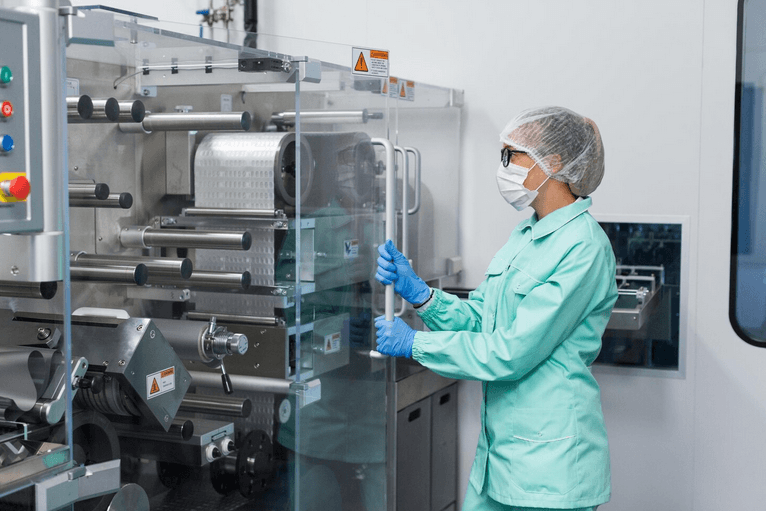

Edge-AI-Inferenz in der Fertigung bedeutet, trainierte Machine-Learning-Modelle auf Hardware auszuführen, die sich physisch auf dem Fabrikboden neben den Maschinen befindet, anstatt Rohdaten an eine entfernte Cloud zu senden, um ein Urteil zu erhalten.
Das Modell wird weiterhin zentral trainiert, oft in der Cloud, wo Rechenkapazität günstig und reichlich vorhanden ist, aber der Entscheidungszeitpunkt (ist diese Schweißnaht fehlerhaft, wird dieses Lager bald ausfallen) findet auf einem lokalen Gerät statt, das an die Linie angeschlossen ist. Drei Kräfte treiben diese Entscheidung an den Edge: Latenz, Bandbreite und Datenresidenz.
Dieser Artikel erklärt jede davon, rechnet eine Vision-Inspektionszelle durch und zeigt, wo eine Echtzeit-Datenebene hineinpasst.
Eine Kamera, die Teile mit 30 Bildern pro Sekunde inspiziert, gibt Ihnen grob 33 Millisekunden pro Bild, um über Behalten oder Ausschuss zu entscheiden, bevor das nächste Teil eintrifft. Ein Vollauflösungsbild in eine Cloud-Region zu senden, Inferenz auszuführen und die Antwort zurückzuerhalten, passt selten in dieses Budget.
Selbst bei einer gesunden Verbindung fallen Netzwerklatenzen von 20 bis 80 Millisekunden pro Strecke an, zuzüglich Warteschlangen- und TLS-Overhead sowie der Inferenz selbst. Wenn der Ausschussaktor für genau dieses Teil auf einem sich bewegenden Förderband auslösen muss, ist ein verspäteter Roundtrip ein Fehler, der bereits weitertransportiert wurde.
Edge-Inferenz macht diesen Pfad kurz. Das Modell sitzt auf einem Gerät im selben lokalen Netzwerk wie die Kamera, sodass die Entscheidungs-Schleife in einstelligen Millisekunden gemessen wird und das Gebäude niemals verlässt.
Für alles, was an eine physische Betätigung gebunden ist (ein pneumatischer Diverter, ein Stopp-Signal, ein Robotergriff), ist lokal sein keine Nettigkeit, sondern die Voraussetzung dafür, dass die Reaktion rechtzeitig erfolgt. Das ist dieselbe Logik, die deterministische Regelungssysteme steuert, was es wert ist, neben wie SCADA‑Systeme Echtzeitvorgänge überwachen verstanden zu werden.
Vision erzeugt enorme Datenmengen, und Cloud-Egress und -Ingest sind nicht dafür ausgelegt, kontinuierlich Rohfabrikvideo zu schlucken. Die günstigste und zuverlässigste Architektur hält die schweren Pixel lokal und sendet nur leichtgewichtige Ergebnisse (ein Bestanden/Nicht Bestanden-Flag, eine Fehlerklasse, eine Begrenzungsbox, ein Konfidenzwert) nach oben.
Für viele EU‑Hersteller ist der physische Speicherort der Daten keine Präferenz, sondern eine Compliance‑ und Vertragsanforderung. Produktionsbilder können proprietäre Werkzeuge, Bauteilgeometrien und Prozess-Know‑how offenlegen, die ein Werk unter keinen Umständen in eine Drittregion exportieren wird.
Edge-Inferenz hält Rohbetriebsdaten standardmäßig im Werk: Das Modell läuft on‑prem und nur das abstrahierte Ergebnis (niemals das zugrundeliegende Bild oder Signal) überquert eine von Ihnen erlaubte Grenze. Diese standardmäßig lokale Haltung ist für Auditoren und Kunden wesentlich einfacher zu rechtfertigen als das Versprechen, ein Cloud‑Anbieter werde Daten regional halten.
Nehmen Sie eine einzelne Vision-Inspektionsstation, die mit 30 fps über zwei Produktionsschichten (etwa 16 Stunden) pro Tag, 250 Tage im Jahr läuft. Jedes Frame ist unkomprimiert ungefähr 6 Megabyte groß.
Bei der Latenz zeigt dieselbe Zelle, warum die Entscheidung lokal sein muss: Bei 30 fps beträgt das Budget pro Frame etwa 33 Millisekunden, und ein moderater Cloud‑Roundtrip allein (sagen wir 40 Millisekunden pro Strecke) überschreitet dieses Budget bereits, bevor die Inferenz überhaupt beginnt.
Lokale Inferenz auf einem zweckgebauten Gerät liefert typischerweise in wenigen Millisekunden ein Urteil zurück und liegt damit komfortabel im Budget. Das Muster ist nicht exotisch: Behalten Sie die Pixel und die Entscheidung auf dem Boden, senden Sie die Bedeutung nach oben.
Diese Fehlerurteile in eine Live‑ Ausschussrate und eine Overall Equipment Effectiveness -Ansicht einzuspeisen, ist das, was rohe Inferenz in etwas verwandelt, auf das ein Betriebsteam reagieren kann.
Vision ist der offensichtliche Edge‑Fall, aber dasselbe Argument gilt für signalbasierte Anomalieerkennung an rotierenden und oszillierenden Anlagen. Vibrationen, Stromaufnahme, Temperatur und akustische Signaturen, die mit hoher Abtastrate erfasst werden, sollten möglichst nahe am Asset ausgewertet werden, damit ein Modell einen sich entwickelnden Fehler in dem Moment melden kann, in dem die Signatur driftet.
Das ist die Messgrundlage der zustandsorientierten Instandhaltung, bei der Eingriffe durch gemessenen Zustand statt nach festem Kalender ausgelöst werden. Es ergänzt den breiteren Wandel von reaktiver zu proaktiver Instandhaltung, und die rohen Ereignisdaten fließen direkt in Zuverlässigkeitskennzahlen wie MTBF und MTTR.
Ein wichtiger Hinweis zur Ehrlichkeit: Ein am Edge laufendes Anomalie‑Modell, das Drift signalisiert, ist nicht dasselbe wie ein validiertes Predictive‑Maintenance‑Programm. Das Modell gibt ein Signal; disziplinierte Analyse, statistisches Denken wie Statistische Prozesslenkung und ein strukturiertes Workflow‑Management machen aus diesem Signal eine verlässliche Praxis.
Edge‑Inferenz ist nicht frei von Kompromissen, und so zu tun, als sei dem nicht so, führt Projekte in die Irre.
Fabrico ist die Echtzeit‑Datenbasis, die unter der Edge‑Inferenz liegt, nicht die Inferenz‑Engine selbst. Es bietet Echtzeit‑OEE und Produktionsüberwachung, sodass, wenn ein Edge‑Modell einen Defekt oder einen langsamen Zyklus meldet, der Verlust sofort in Ihren Effektivitätszahlen sichtbar wird anstatt in einem Monatsbericht.
Fabrico umfasst zudem Computer Vision auf Maschinen ohne SPS und bietet damit eine Möglichkeit, ältere Assets zu instrumentieren, die nie für digitale Daten verkabelt wurden. Und es ist ein feldbereites CMMS: Arbeitsaufträge, Anlagenregister, präventive Planung und Ersatzteilverfolgung, sodass eine am Edge gemeldete Anomalie zu einem zuweisbaren, verfolgbaren Auftrag wird.
Fabrico ist in der EU entwickelt mit EU‑Datenresidenz, was mit der Vorgabe übereinstimmt, Betriebsdaten in der Region zu halten. Sie können die MES‑ und OEE‑Monitoring‑Fähigkeiten und die CMMS‑Lösung vergleichen, um zu sehen, wie die Datenbasis und der Instandhaltungsworkflow zusammenpassen.
Ja, aber für andere Aufgaben. Die Cloud ist der Ort, an dem Sie Modelle trainieren und retrainen, Ergebnisse über Standorte aggregieren, längerfristige Analysen durchführen und die kuratierten Daten speichern, die Sie behalten möchten. Der Edge übernimmt die zeitkritische Entscheidung. Das gesunde Muster ist: zentral trainieren, lokal inferieren und nur leichtgewichtige Ergebnisse und markierte Stichproben nach oben synchronisieren.
Nicht aus sich heraus. Ein Edge‑Anomalie‑Modell erkennt, dass ein Signal vom Normalzustand abweicht, was eine wirklich nützliche Frühwarnung ist. Um das in eine verlässliche Predictive‑Maintenance‑Praxis zu verwandeln, braucht es validierte Ausfallmodelle, ausreichend gelabelte Historie und einen disziplinierten Workflow rund um die Alerts. Behandeln Sie Edge‑Anomalieerkennung als starken Input für Zuverlässigkeitsarbeit, nicht als fertiges Predictive‑Produkt.
Da das Modell on‑prem läuft, müssen Rohbetriebsdaten (Bilder, hochfrequente Signale) das Werk nicht verlassen. Nur das abstrahierte Urteil überquert eine von Ihnen erlaubte Grenze, und Sie entscheiden, ob selbst dieses in der Region bleibt. Für EU‑Hersteller mit Souveränitätsanforderungen ist diese standardmäßig lokale Haltung viel leichter nachzuweisen und zu verteidigen als sich auf die regionalen Zusicherungen eines entfernten Anbieters zu verlassen.
Wollen Sie sehen, wie eine Echtzeit‑OEE‑ und CMMS‑Datenbasis Edge‑Inferenzurteile in Aktionen auf Ihrem Hallenboden verwandelt? Buchen Sie eine Fabrico‑Demo und wir führen Sie mit Ihren Linien durch das Vorgehen.
Sehen Sie, wie Fabrico OEE und Instandhaltung in einer Plattform vereint.
Vereinbaren Sie eine Demo





 Anmeldung
 Blog
Blog