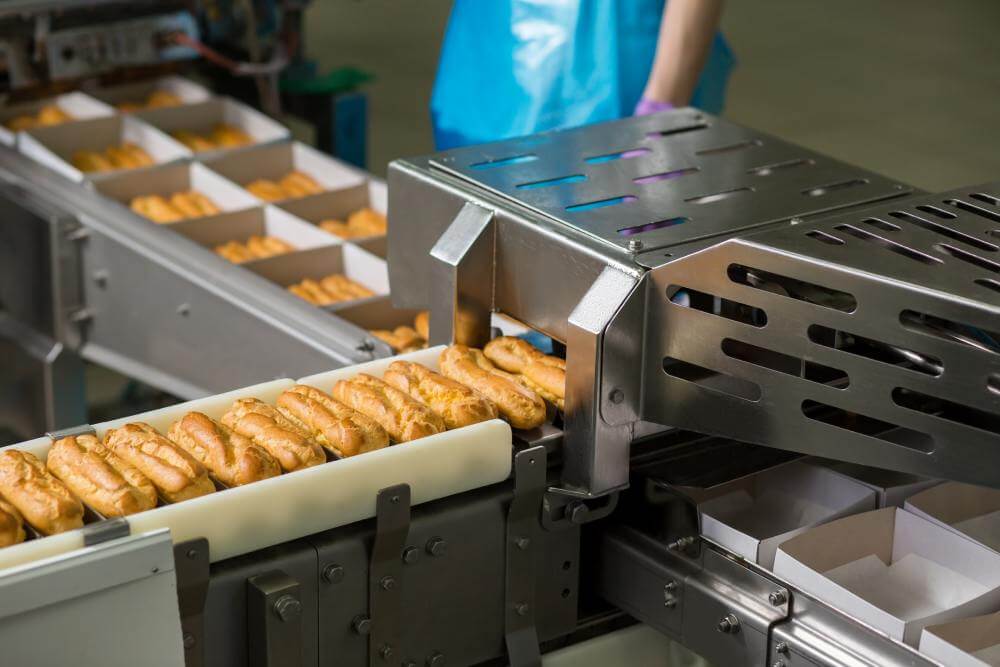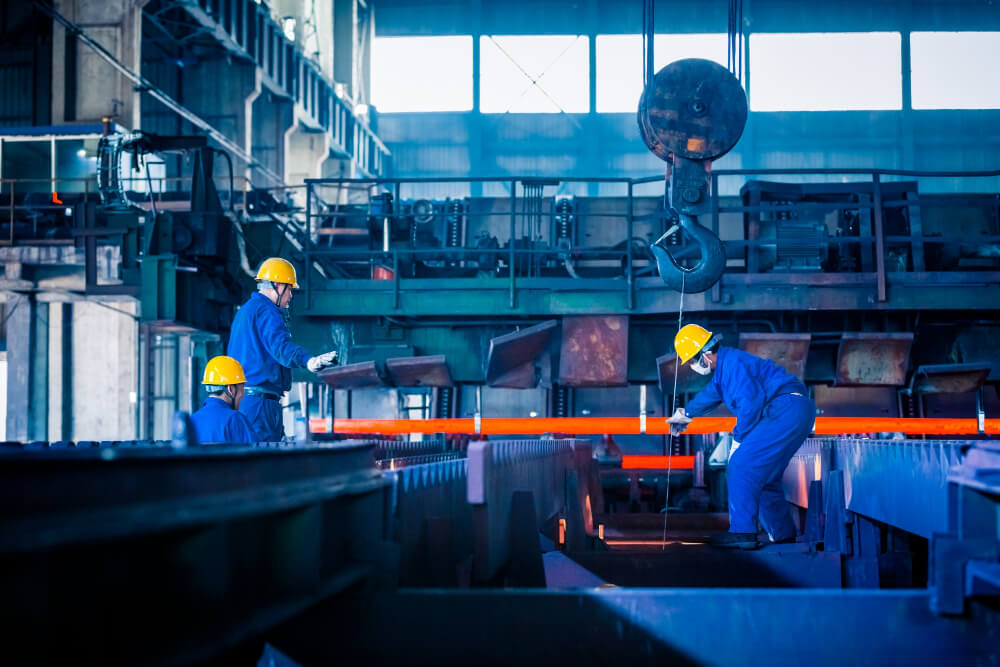

El "punto ciego" del PLC: Los sensores tradicionales te dicen que una máquina se detuvo, pero rara vez te dicen por qué. La visión por computadora cubre esta brecha al "vigilar" la línea las 24 horas del día.
La brecha de "acción": La mayoría de las herramientas de Visión son solo paneles de análisis. Te muestran un vídeo del problema pero no activan el flujo de trabajo de mantenimiento para solucionarlo.
Los principales candidatos: Revisamos Fabrico, Drishti, Retrocausal y otros para ayudarte a encontrar una herramienta de IA que genere un ROI real.
Los sensores son estupendos, pero son ciegos.
Un PLC puede indicarle que el motor de la cinta transportadora se ha detenido.
No puede indicarle que se detuvo porque se cayó una botella, o porque el operario tardó en regresar del almuerzo, o porque un palé de materia prima estaba vacío.
Esta es la "brecha de contexto" en los datos de fabricación.
La visión artificial resuelve este problema. Mediante el uso de cámaras e inteligencia artificial, se puede categorizar automáticamente el "por qué" de cada parada.
Sin embargo, muchos fabricantes cometen el error de comprar "proyectos científicos", herramientas de IA costosas que generan mapas de calor atractivos pero que en realidad no ayudan al equipo de mantenimiento a solucionar la causa raíz del problema.
Necesitas un sistema que conecte la detección visual con la acción física .
Estas son las 5 mejores herramientas de visión artificial para la fabricación OEE en 2026.
Ideal para: Fabricantes que desean vincular la visión artificial directamente con la Eficiencia General de los Equipos (OEE) y las órdenes de trabajo de mantenimiento.
Fabrico es único en esta lista porque no es solo una herramienta de visión artificial. Es un sistema operativo de fábrica completo (OEE y CMMS integrados). Usamos Vision como un detonante para la acción, no solo para generar informes.
Órdenes de trabajo automatizadas: Si la cámara detecta una falla específica (por ejemplo, "Puerta de seguridad abierta" o "Atasco en la entrada"), Fabrico no solo la registra, sino que crea una orden de trabajo y alerta al técnico de inmediato.
El asesino de las microparadas: Los sensores a menudo no detectan las paradas cortas. La IA Vision de Fabrico detecta y clasifica cada microparada, lo que le brinda una puntuación de rendimiento OEE real que tiene en cuenta las ineficiencias manuales.
Sin "impuesto de integración": Con otras herramientas, hay que pagar para integrar el software de la cámara con el software de mantenimiento. Con Fabrico, son la misma plataforma.
La privacidad es lo primero: Fabrico se centra en el proceso, no en la persona, garantizando que obtenga datos de productividad sin infringir los derechos de privacidad del operador (cumple con el RGPD).
El veredicto: Si desea que sus cámaras impulsen realmente las reparaciones y las mejoras de procesos, Fabrico es la opción integrada.
Ideal para: Optimización de líneas de montaje manuales.
Drishti se centra en el análisis del movimiento humano. Si su proceso es altamente manual (por ejemplo, el ensamblaje manual de componentes electrónicos o dispositivos médicos), Drishti es una herramienta muy potente.
Ventajas: Gran profundidad en el "Análisis del tiempo de ciclo". Puede indicar que la estación 4 es 5 segundos más lenta que la estación 3 porque el operario tiene que estirarse demasiado para alcanzar una pieza.
Desventajas: Es caro y se centra mucho en el montaje manual. Se centra menos en la fiabilidad de la maquinaria automatizada o en la gestión del mantenimiento.
La diferencia: Drishti analiza al ser humano; Fabrico analiza la máquina (y ayuda al ser humano a repararla).
Ideal para: Control de calidad y prevención de errores (Poka-Yoke).
Retrocausal se centra en "guiar" al trabajador. Utiliza cámaras para observar las manos del operario y le avisa si omite algún paso.
Ventajas: Ideal para la capacitación y el control de calidad. Si un operario olvida un tornillo, el sistema emite una luz roja intermitente y detiene la línea antes de que el defecto se propague.
Desventajas: Es una herramienta de control de calidad, no de mantenimiento. No monitoriza el estado de la cinta transportadora ni del motor. Previene defectos, pero no evita el tiempo de inactividad de la máquina.
La diferencia: utilice Retrocausal para detener las piezas defectuosas; utilice Fabrico para detener las fallas de la máquina.
Ideal para: Detección de defectos a alta velocidad.
Cognex es el gigante del hardware. Si necesita inspeccionar botellas que se mueven a una velocidad de 1000 por minuto para comprobar si la etiqueta está torcida, Cognex es la marca de referencia.
Ventajas: Velocidad y precisión inigualables. Detecta defectos que el ojo humano no puede ver.
Desventajas: Es un sensor, no un sistema. Emitirá una señal de fallo, pero no indicará la causa de la desviación de la etiquetadora ni programará automáticamente una calibración de mantenimiento.
Necesitará un sistema de gestión de mantenimiento computarizado (CMMS) como Fabrico para solucionar los problemas.
La diferencia: Cognex detecta el defecto; Fabrico gestiona la reparación.
Ideal para: Equipos de ingeniería que construyen modelos personalizados.
Fundada por la leyenda de la IA Andrew Ng, Landing AI ofrece una plataforma que facilita el entrenamiento de tus propios modelos de visión artificial.
Ventajas: Muy fácil de usar para ingenieros. Puedes subir fotos de piezas "buenas" y "malas" y entrenar un modelo en una tarde.
Desventajas: Es un conjunto de herramientas. Proporciona el modelo, pero aún así hay que integrarlo con los sistemas de la planta de producción. No incluye un módulo de mantenimiento ni un panel de control OEE integrados.
La diferencia: Landing AI se utiliza para construir modelos; Fabrico se utiliza para gestionar operaciones.
| Característica | Fabrico | Drishti | Retrocausal | Cognex |
| Enfoque principal | OEE y mantenimiento | Ensamblaje manual | Calidad/Formación | Control de calidad de alta velocidad |
| Resultados procesables | ✅ Órdenes de trabajo | Varies Analítica | Varies Alertas | Varies Solo señal |
| Enlace de mantenimiento | ✅ Nativo | Varies | Varies | Varies |
| Dificultad de configuración | Bajo | Alto | Medio | Alto |
| Costo | Valor | De primera calidad | De primera calidad | Hardware |
Instalar cámaras es fácil. Sacarles provecho es difícil.
Si compras una herramienta de visión artificial independiente, acabarás con un montón de grabaciones de vídeo y muy poca mejora. Necesitas conectar esos datos de visión artificial a tu flujo de trabajo de mantenimiento .
Elija Cognex si necesita detectar arañazos microscópicos a alta velocidad.
Elige Drishti si quieres optimizar los movimientos manuales de tus manos.
Elige Fabrico si quieres mejorar la Eficiencia General de los Equipos (OEE) . Si quieres que tus cámaras detecten los tiempos de inactividad y envíen automáticamente la ayuda necesaria para solucionarlos, Fabrico conecta la detección con la reparación y el resultado medido.
Identifica el problema. Soluciona el problema.
Reserve una demostración con Fabrico para ver nuestra OEE de visión artificial en acción.
¿OEE capturado directamente de sus máquinas, sin registros manuales?
Programar una demo









 Iniciar sesión
 Blog
Blog