
Shift handover is where good daily performance is either protected or lost. If the outgoing team cannot clearly show what happened, why it happened and what is still at risk, the incoming team spends the first hour reacting instead of producing. A modern MES with built-in OEE and maintenance capabilities turns handover from a verbal download into a visual, data-driven briefing.
In this article we will look at what the next shift really needs to see: production losses, open work orders and quality holds. We will also look at how a cloud-based MES like Fabrico brings these elements together in a single source of truth for operations and maintenance.
Many plants still rely on handwritten logbooks, spreadsheets and radio conversations at the end of the shift. Production counts and scrap numbers live in one place, maintenance work and downtime in another, and quality issues in a third. By the time the incoming supervisor tries to make sense of it, half of the context is missing.
Typical problems include:
An MES that captures production and downtime straight from the machines removes much of this ambiguity. Instead of debating what happened, the handover can focus on what to do about it.
A strong shift handover with MES support is short, visual and action oriented. The teams stand in front of the same real time view of OEE, losses and actions. Everyone sees:
If you are still evaluating how to structure your handover process, it can help to start from a detailed checklist that combines production, maintenance and quality topics. You can find a practical structure in this shift handover checklist and then layer MES data on top of it.
Losses are the main story of the shift. The incoming team needs more than a single OEE number. They need a clear picture of where time and capacity were lost and which losses are still relevant for the next few hours.
An MES like Fabrico captures signals directly from machines, then classifies downtime and speed losses into standardized categories. Instead of vague comments like “line down”, operators and supervisors can select specific reasons that match the real problem. Over time this builds a reliable loss structure that everyone understands.
At handover, supervisors can pull up a visual breakdown of the last 8 or 12 hours: planned vs actual production, availability losses, performance losses and quality losses. This makes it clear which problems need immediate attention and which ones should be flagged for improvement work later.
For teams that are still choosing or upgrading their monitoring approach, the overview in this guide to production monitoring systems in manufacturing explains how real time data collection underpins effective shift handovers.
Not every loss from the last shift needs to dominate the next shift. What matters for handover are the losses that:
In Fabrico, teams can sort and filter losses by line, product, time and reason. At handover, the supervisor can quickly surface the top issues, then show the associated actions: maintenance work orders, operator checks, parameter changes or trial plans. This keeps the discussion focused on what the incoming team should watch out for in the next hours.
Many plants struggle because maintenance and production teams see different versions of reality. Operators complain about recurring issues, while maintenance sees a long list of generic work orders with little context. During shift handover this turns into finger pointing instead of problem solving.
When work orders are created directly from MES loss events, this disconnect shrinks. Each significant loss can be converted into a structured maintenance action, with clear linkage back to the machine, line, time and loss reason. Because Fabrico has maintenance management built into the same platform as MES and OEE, everyone sees the same information.
During handover, supervisors and maintenance leads should be able to pull up a single view that shows:
This transparency lets the incoming team make realistic commitments. If a line is running with a known issue that requires a planned stop for repair, the supervisor can schedule it at the least harmful moment instead of being surprised by an unplanned breakdown.
If you operate continuous process lines, the integration between real time performance data and maintenance actions is even more critical. You can explore considerations specific to these environments in this article on OEE and maintenance software for continuous process plants.
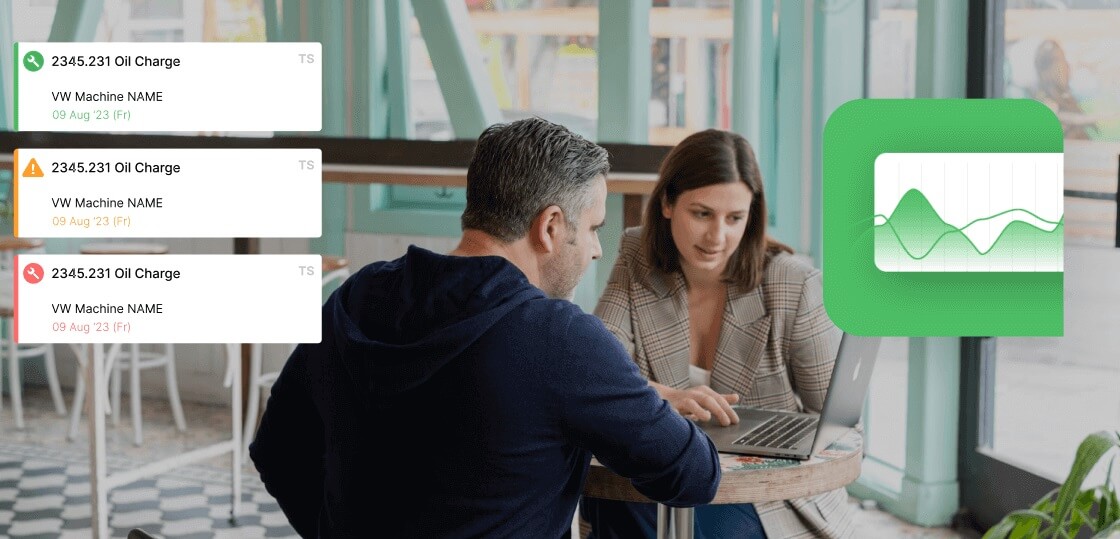
With Fabrico, each loss can generate an action in the built-in maintenance management area. At handover, supervisors do not just talk about issues, they review an ordered list of actions with owners and due times. Examples include:
This helps the incoming shift leave the meeting with a clear understanding of who is doing what, by when, and what support they may need from maintenance or engineering during the shift.
Quality is often where handovers are weakest. Paper forms or disconnected quality systems make it hard to see which lots are on hold, why they are blocked and what needs to happen next. This leads to accidental releases, unnecessary scrapping or extended storage times that hide the real impact of quality issues.
An MES-centric handover brings quality status alongside production and maintenance data. The incoming shift should clearly see:
When the MES tracks quality holds in real time, supervisors do not rely on memory. They can open a list of current holds during handover, filter by line or product, and agree which ones should be cleared, escalated or kept under review in the next shift.
The real value comes when quality holds are linked back to the same machine and shift events that production and maintenance see. For example:
In Fabrico, these links help the teams see patterns across shifts. Instead of each team dealing only with the quality issues that surfaced in their own hours, they can identify recurring problems and coordinate actions that span multiple shifts.
Technology does not replace the human conversation at shift change. It makes that conversation sharper and more consistent. A practical MES-supported agenda might look like this:
With an MES like Fabrico, each of these points can be backed by real time data on a shared screen or dashboard. The team does not need to dig through paper or spend time reconciling numbers from different tools. Instead, they can spend their limited handover time deciding how to run the next shift better.
Fabrico is a cloud-based MES and OEE platform that connects directly to your machines, captures production and downtime data, and turns each loss into clear actions. Because maintenance management is built into the same environment, you can move from “we had a problem” to “this is the work order, owner and due time” without leaving the screen.
For shift handover, this means:
Instead of each function presenting its own story, Fabrico gives everyone the same story, backed by data from the shop floor. Handovers become shorter, clearer and more focused on execution.
If you want to make your shift handovers more visual, more consistent and more actionable, a connected MES is one of the fastest ways to get there. Fabrico helps you tie production, OEE, maintenance actions and quality status together in a way that supervisors and operators can use every day, at every shift change.
To see how this could look on your lines, you can Request a demo or Contact us to discuss your specific environment and handover challenges.
See how Fabrico unifies OEE and maintenance in one platform.
Request a demo



 Login
 Blog