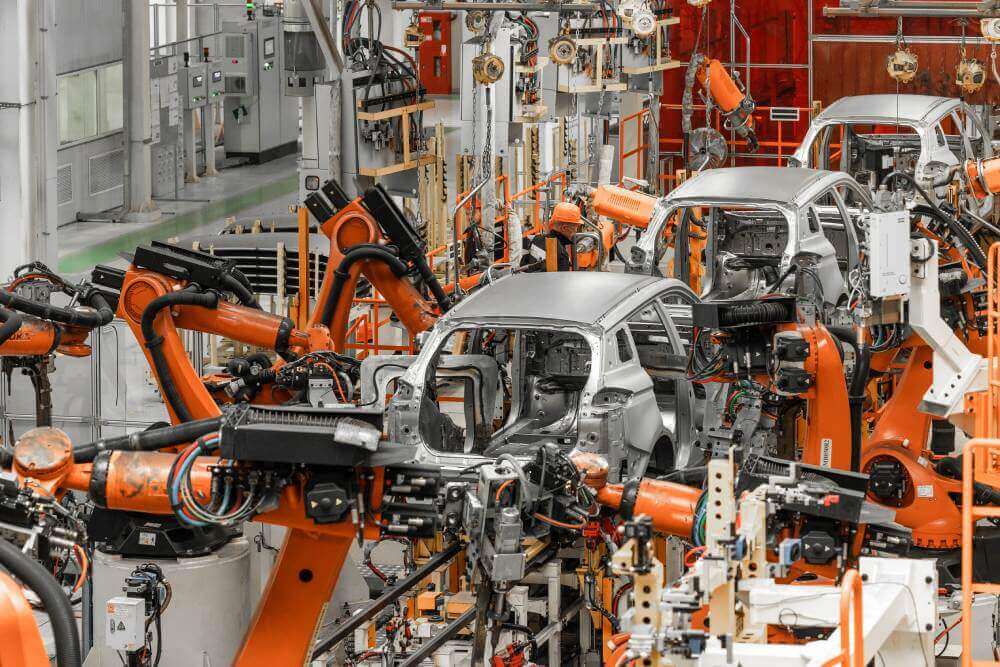

If you run a plant with multiple shifts, you already know that the line never really runs at full potential during the first and last minutes of each shift. Startup and shutdown losses look small in isolation, but across lines, shifts and sites, they quietly consume a large part of your available capacity.
For buyers of MES and OEE software, these losses are a critical use case. The right platform will not just calculate OEE, it will show you exactly what happens at shift boundaries, quantify the impact, and trigger actions in production and maintenance to shrink that gap between scheduled time and productive time.
Startup and shutdown losses are the performance and availability losses that occur at the beginning and end of a shift or production run. Typical examples include:
On a spreadsheet, these often appear as planned time or get hidden inside generic downtime categories. In an MES with OEE, they should be visible segments in your availability and performance timelines, tagged explicitly as startup or shutdown related, so you can target them in a structured improvement program.
When you evaluate MES and OEE platforms, it is easy to focus on big breakdowns or large quality events. Startup and shutdown losses are different. They are:
This makes them a perfect target for a digital platform like Fabrico, which captures production and downtime data directly from machines, calculates OEE in real time, and turns each loss into concrete maintenance and production actions.
Before you can improve, you must make these losses unmissable in your daily and weekly reviews. When you assess MES and OEE solutions, look for these specific capabilities.
The platform should support shift calendars, rotations and exceptions, and it should tie every production and downtime event to a shift and team. This gives you the ability to slice:
In Fabrico, shift structures and teams are native concepts, so you can analyze startup and shutdown performance by line, product, crew or site.
Request a demo
Startup and shutdown issues are rarely hours long. They are usually clusters of shorter events: microstops, speed losses, quality downgrades. Your MES should record:
This level of detail turns vague complaints about slow starts into a precise profile of what happens minute by minute, so your teams can redesign procedures instead of debating anecdotes.
Downtime codes should distinguish between:
Look for a platform that can automatically infer and suggest classifications using time, context and machine signals, while still allowing operators to confirm or refine the reason codes with minimal effort.
OEE dashboards should make it possible to zoom into specific time windows around shift changes. Useful viewing modes include:
These views make startup losses visible as a distinct improvement lever, instead of burying them under generic availability or performance.
Good visibility is not enough. MES and OEE buyers should ensure that each identified loss can trigger concrete actions in maintenance and operations, without manual copy and paste into other tools.
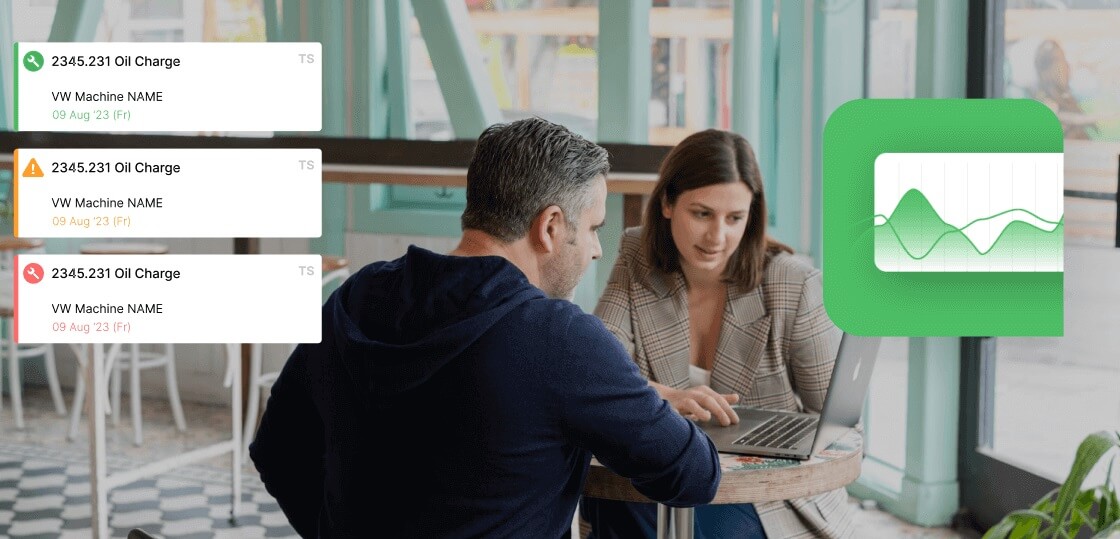
Some recurring startup problems, for example bearings that bind on cold start or sensors that drift overnight, are inherently maintenance related. Fabrico includes maintenance management as a built-in part of the platform, so when those patterns appear in your data, they can become:
This keeps the connection between data and maintenance work orders tight, so issues that repeat at every shift change are systematically addressed instead of patched.
Request a demo
On the production side, a good MES and OEE platform will turn recurring shutdown patterns into operational changes, for example:
When each recorded event during shutdown is tied to an owner and an action, your teams can move from accepting early stops as normal to treating every minute as capacity worth protecting.
The shape of startup and shutdown losses varies across industries. This matters when you select and configure MES and OEE, because the loss model and workflows need to reflect your reality.
In continuous and process industries, warm up and stabilization times can dominate the first part of the shift. Temperature, pressure and chemistry must reach control limits before you can produce saleable product.
Fabrico supports these environments by combining real time data capture with a built-in maintenance module that targets the equipment issues behind slow stabilization. For a deeper look at this context, see our article on best MES and OEE software choices for continuous process plants.
In consumer packaged goods, startup and shutdown losses are often tied to changeovers, materials and format changes. Lines may run at very high speed, so every minute lost in ramp up translates directly into thousands of units. In these plants you need:
To understand how OEE and MES support these needs, explore our content on OEE for CPG manufacturing.
Request a demo
Startup and shutdown performance should not be an isolated project. It belongs inside your broader OEE improvement strategy, with clear targets, routines and ownership.
When you structure your OEE loss tree, do not bury these losses inside generic categories like "minor stops" or "planned downtime". Define explicit startup and shutdown buckets and track them in all reviews so that:
Your daily or shift review should include a fixed segment where supervisors and operators review startup and shutdown behavior, supported by MES dashboards. Typical questions:
The right platform makes it easy to pull up yesterday's events, drill down and agree actions in a short meeting.
Request a demo
When you run kaizen or SMED workshops on startup and shutdown, your MES should be the primary source of evidence. Use it to:
We discuss how to structure this kind of data driven improvement work in more detail in our article on OEE improvement strategy.
Fabrico is a cloud based MES and OEE platform built for manufacturers that want to turn data into concrete actions on the plant floor. It captures signals directly from machines, tracks production, downtime and speed in real time, and highlights startup and shutdown behavior as a distinct improvement opportunity.
Because maintenance management is built into the same platform, recurrent startup issues quickly become well defined maintenance tasks. Operators and maintenance teams work from the same dataset, with shared visibility of where shift boundary losses come from and what has been done about them.
For operations and continuous improvement leaders, this means startup and shutdown losses stop being "noise around the shift", and become a measurable performance lever that can be managed across all lines and sites.
Request a demo or Contact us to explore how Fabrico can help you identify, quantify and shrink startup and shutdown losses in your plants.
See how Fabrico unifies OEE and maintenance in one platform.
Request a demo










 Login
 Blog