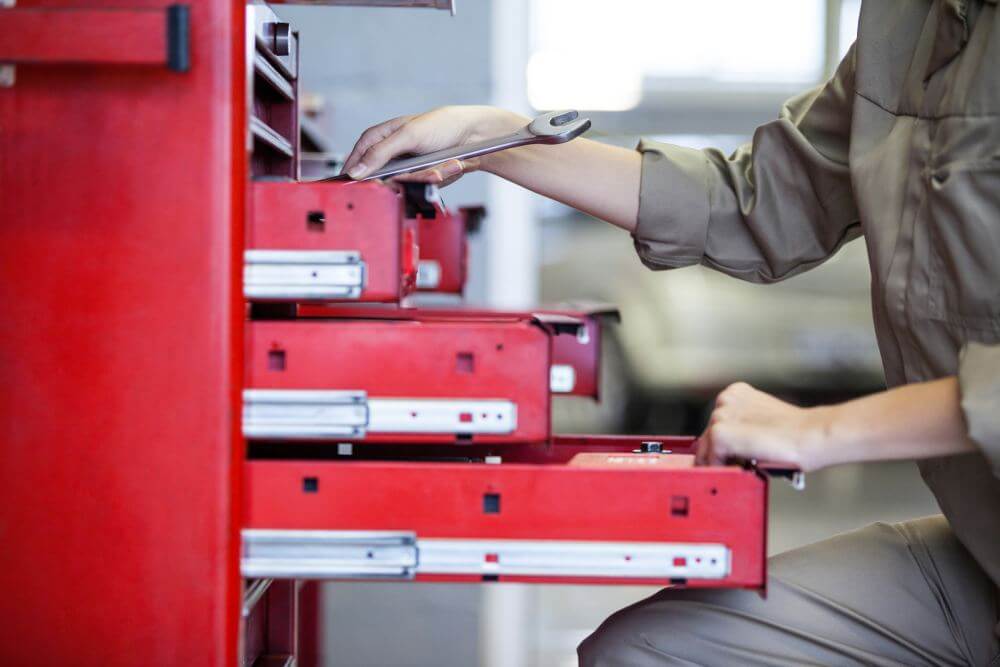
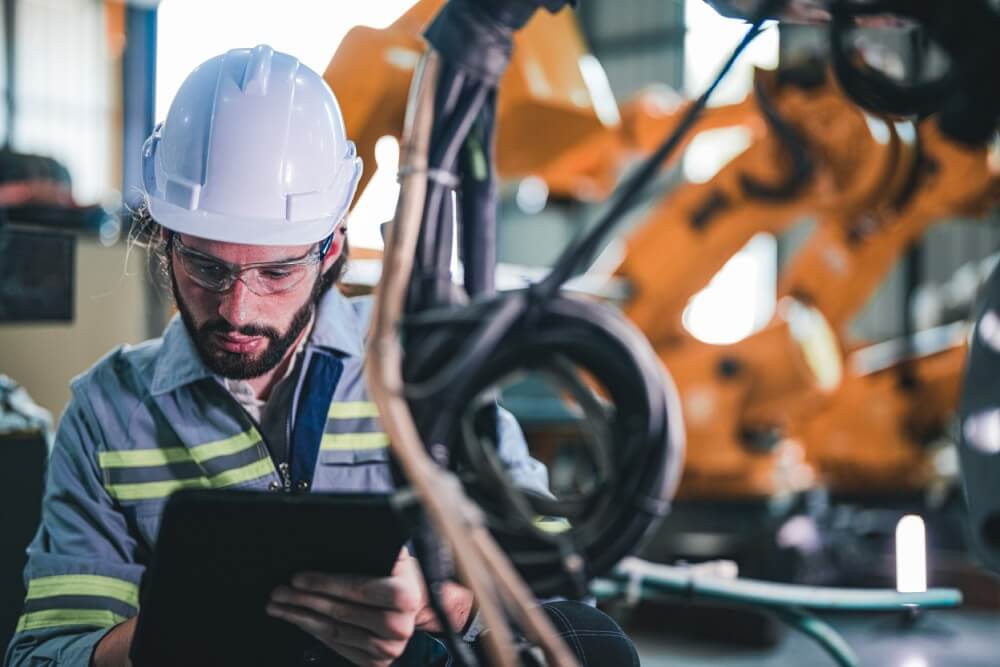
Maintenance autonome (connue au Japon sous le nom de Jishu Hozen ) est la pratique consistant à former les opérateurs de machine à réaliser les soins quotidiens de base de leur propre équipement: nettoyage, inspection, lubrification et serrage.
C'est l'un des huit piliers de la Maintenance productive totale (TPM), et son idée centrale est simple: la personne la plus proche de la machine détecte d'abord les petits problèmes.
En transférant les soins de routine aux opérateurs, les techniciens de maintenance sont libérés des interventions sur des problèmes mineurs afin de se concentrer sur des réparations et des améliorations plus qualifiées et à plus forte valeur ajoutée.
La maintenance autonome restructure la responsabilité de la santé des équipements sur le plancher de production. Traditionnellement, les opérateurs gèrent la machine et les techniciens la réparent. Cette séparation crée un fossé: un boulon desserré, une petite fuite ou une contamination passe inaperçue jusqu'à ce qu'elle provoque une panne.
La maintenance autonome comble ce fossé en donnant aux opérateurs les compétences et la responsabilité pour détecter et prévenir la détérioration à un stade précoce.
Il est important d'être précis ici. La maintenance autonome est un pilier de la TPM, pas le programme entier. Elle ne remplace pas la maintenance planifiée, la maintenance qualité ou les réparations spécialisées. Elle les complète en faisant des opérateurs la première ligne de défense contre les petites anomalies qui érodent silencieusement l'Efficacité globale des équipements (OEE).
Le rythme quotidien de la maintenance autonome est souvent appelé CIL (Cleaning, Inspection, Lubrication), parfois étendu en CLAIR (Clean, Lubricate, Adjust, Inspect, Repair). La routine est d'une puissance trompeuse :
La maintenance autonome se déploie via une progression structurée en sept étapes. Chaque étape renforce la capacité des opérateurs avant que la suivante ne commence :
Considérons une ligne de remplissage fonctionnant sur deux équipes, 16 heures par jour, 5 jours par semaine (80 heures hebdomadaires). Supposons que les arrêts non planifiés soient en moyenne de 6 heures par semaine, et qu'une revue de maintenance montre que 40 % de ces arrêts proviennent de causes évitables : manque de lubrification, fuites mineures et raccords desserrés.
Cela représente 6 heures × 0,40 = 2,4 heures d'indisponibilité évitable chaque semaine. Si la maintenance autonome élimine 75 % de cette portion évitable, la ligne récupère 2,4 × 0,75 = 1,8 heure par semaine. Sur une année de 50 semaines, cela fait 1,8 × 50 = 90 heures de temps de fonctionnement supplémentaire.
La composante Disponibilité de l'OEE s'améliore également. La disponibilité était de 74 sur 80 heures = 92,5 %. En rajoutant 1,8 heure, elle passe à 75,8 sur 80 = 94,75 %, un gain de 2,25 points obtenu grâce à une routine qui coûte quelques minutes par opérateur et par poste.
Chaque petite défaillance qu'un opérateur détecte ou empêche représente un ordre de travail que le technicien n'a pas à traiter.
Lorsque les opérateurs prennent en charge les bases CIL, l'équipe de maintenance cesse de vivre en mode réactif et évolue vers un travail proactif et planifié: analyse des causes profondes, alignement de précision, amélioration de la fiabilité et affinement des calendriers préventifs.
En pratique, cela augmente à la fois le temps moyen entre pannes et la qualité de chaque réparation, car les techniciens ne courent plus entre des pannes mineures.
La maintenance autonome est une discipline centrée sur les personnes et les processus, mais elle fonctionne beaucoup mieux sur une base de données fiable. Une GMAO (CMMS) offre aux opérateurs et aux techniciens un système partagé pour les check-lists, les standards et les petits ordres de travail issus des inspections quotidiennes.
Fabrico fournit exactement cette base: une surveillance OEE et de la production en temps réel pour visualiser les gains de disponibilité produits par la maintenance autonome, plus des capacités de GMAO pour les ordres de travail, les fiches d'actifs, le suivi des pièces détachées et la planification préventive.
Fabrico propose également une surveillance par caméra et par vision par ordinateur qui fonctionne même sur des machines plus anciennes dépourvues d' API (automate programmable industriel), de sorte que les anomalies détectées par les opérateurs lors du CIL soient étayées par des données objectives plutôt que par la mémoire.
Non. La maintenance préventive est un travail planifié, mené par des techniciens, comme le remplacement de composants à intervalles définis. La maintenance autonome est un soin quotidien mené par les opérateurs (nettoyage, inspection, lubrification, serrage) qui détecte les problèmes tôt. Les deux se complètent : les opérateurs gèrent les bases, les techniciens prennent en charge le travail planifié et spécialisé.
Vous pouvez commencer avec des check-lists papier, mais cela évolue mal à l'échelle. Une GMAO transforme les constats des opérateurs en ordres de travail traçables, stocke vos standards de nettoyage et de lubrification, et relie les soins quotidiens à l'historique des actifs. Elle rend le pilier durable plutôt qu'éphémère.
La maintenance prédictive est un concept industriel qui utilise des données de condition pour prévoir les défaillances avant qu'elles ne surviennent. La maintenance autonome est une pratique humaine, manuelle et quotidienne effectuée par les opérateurs. Ce sont des approches complémentaires : une solide maintenance autonome fournit des équipements propres et cohérents et de meilleures données, ce qui renforce toute initiative basée sur la condition ou prédictive.
Prêt à fournir à vos opérateurs et techniciens la base de données partagée qui fait tenir la maintenance autonome ? Voyez la surveillance OEE en temps réel, les ordres de travail GMAO et la surveillance par caméra en action en réservant une démo Fabrico.
Voyez comment Fabrico réunit TRS et maintenance sur une seule plateforme.
Planifier une démonstration





 Connexion
 Blog
Blog