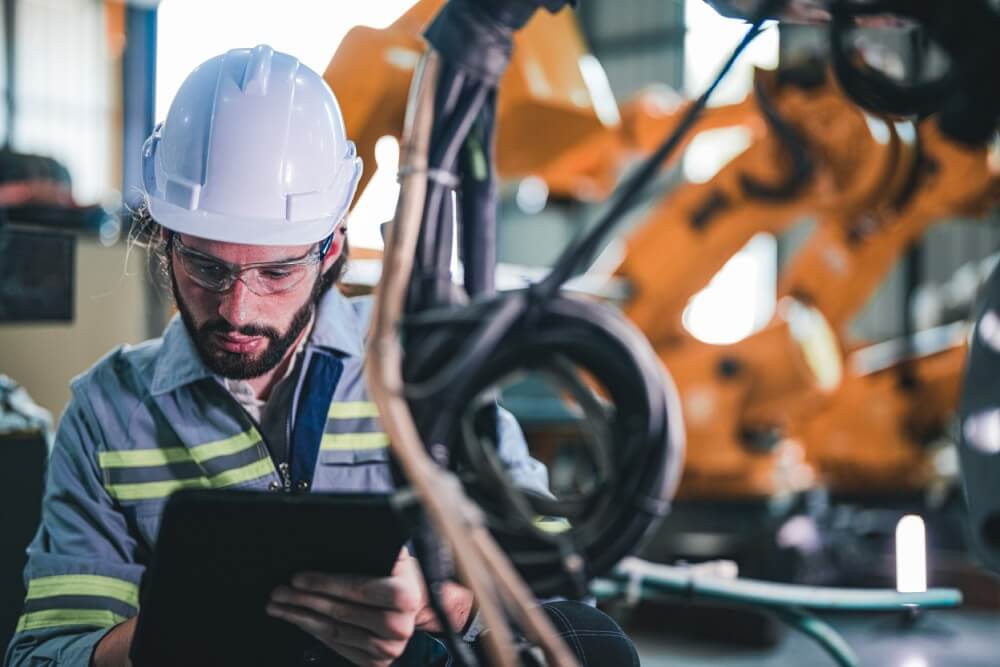
Autonomiczna konserwacja (w języku japońskim znana jako Jishu Hozen ) to praktyka szkolenia operatorów maszyn w wykonywaniu podstawowej codziennej dbałości o własne urządzenia: czyszczenia, inspekcji, smarowania i dokręcania.
Jest to jeden z ośmiu filarów Całkowitego Produktywnego Utrzymania (TPM), a jej podstawowa idea jest prosta: osoba najbliżej maszyny wykrywa drobne problemy jako pierwsza. Przekazując rutynową opiekę operatorom, technicy utrzymania ruchu są uwolnieni od gaszenia drobnych pożarów i mogą skupić się na wyspecjalizowanych, bardziej wartościowych naprawach i pracach usprawniających.
Autonomiczna konserwacja zmienia podział odpowiedzialności za stan urządzeń na hali produkcyjnej. Tradycyjnie operator obsługuje maszynę, a technik ją naprawia. Ten podział tworzy lukę: poluzowana śruba, drobny wyciek czy zanieczyszczenie pozostają niezauważone, dopóki nie doprowadzą do awarii. Autonomiczna konserwacja zamyka tę lukę, przekazując operatorom umiejętności i odpowiedzialność za wykrywanie i zapobieganie wczesnemu pogorszeniu stanu sprzętu.
Warto tu być precyzyjnym. Autonomiczna konserwacja to jeden filar TPM, a nie cały program. Nie zastępuje planowanych przeglądów, utrzymania jakości ani wyspecjalizowanych napraw. Uzupełnia je, czyniąc operatorów pierwszą linią obrony przeciwko drobnym nieprawidłowościom, które cicho osłabiają Ogólną Efektywność Wyposażenia (OEE).
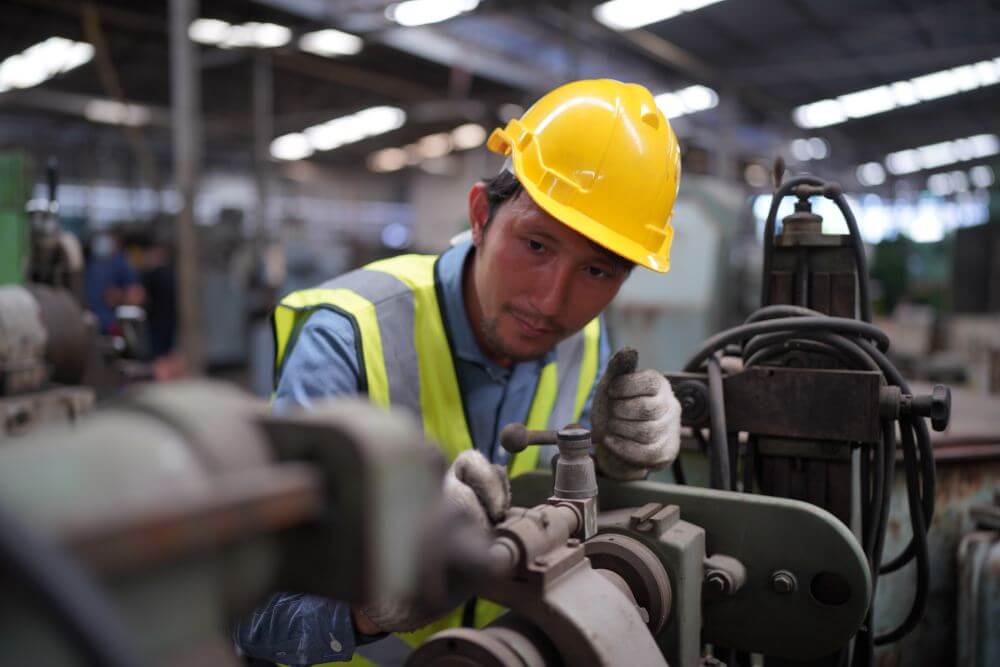
Codzienne „serce” autonomicznej konserwacji często nazywane jest CIL (Czyszczenie, Inspekcja, Smarowanie), czasem rozszerzane do CLAIR (Czyszczenie, Smarowanie, Regulacja, Inspekcja, Naprawa). Rutyna jest pozornie prosta, ale niezwykle skuteczna:
Autonomiczna konserwacja jest wdrażana poprzez ustrukturyzowaną siedmiostopniową progresję. Każdy krok zwiększa kompetencje operatorów, zanim rozpocznie się następny:
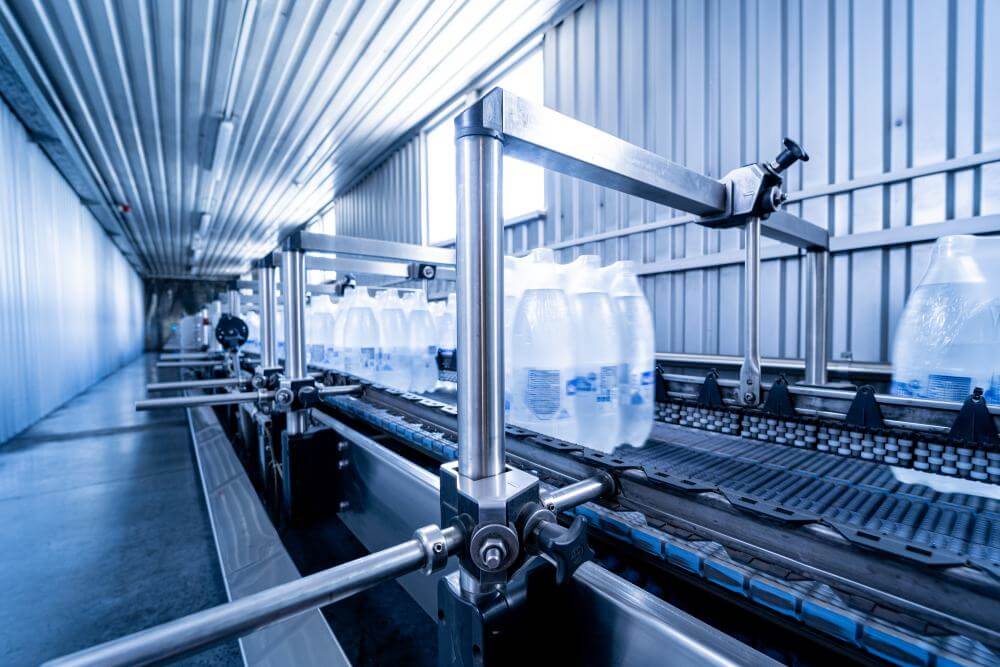
Rozważ linię napełniania pracującą na dwóch zmianach, 16 godzin dziennie, 5 dni w tygodniu (80 godzin tygodniowo). Załóżmy, że nieplanowane przestoje średnio wynoszą obecnie 6 godzin tygodniowo, a przegląd utrzymania wykazuje, że 40 procent tych postojów wynika z przyczyn możliwych do uniknięcia: niedostatecznego smarowania, drobnych wycieków i poluzowanych złączy.
To 6 godzin razy 0,40 = 2,4 godziny uniknionego przestoju tygodniowo. Jeśli autonomiczna konserwacja wyeliminuje 75 procent tej części możliwej do uniknięcia, linia odzyskuje 2,4 razy 0,75 = 1,8 godziny tygodniowo. W ciągu 50-tygodniowego roku to 1,8 razy 50 = 90 godzin dodatkowego czasu pracy.
Poprawia się też składnik Dostępności w OEE. Dostępność wynosiła 74 z 80 godzin = 92,5 procent. Dodanie z powrotem 1,8 godziny podnosi ją do 75,8 z 80 = 94,75 procent, czyli wzrost o 2,25 punktu dzięki rutynie, która zajmuje operatorowi tylko kilka minut na zmianę.
Każda drobna usterka, którą operator wykryje lub zapobiegnie, to zlecenie robocze, którego technik nie musi ścigać. Gdy operatorzy zajmują się podstawami CIL, zespół utrzymania przestaje żyć w trybie reaktywnym i przechodzi do prac proaktywnych, planowanych: analiza przyczyn źródłowych, precyzyjne ustawienia, poprawa niezawodności i dopracowywanie harmonogramów prewencyjnych. W praktyce podnosi to zarówno średni czas między awariami, jak i jakość każdej naprawy, ponieważ technicy nie biegną już w pośpiechu między drobnymi awariami.
Autonomiczna konserwacja to dyscyplina oparta na ludziach i procesach, ale działa znacznie lepiej na solidnej podstawie danych. CMMS daje operatorom i technikom wspólny system do list kontrolnych, standardów i drobnych zleceń roboczych wynikających z codziennych inspekcji.
Fabrico dostarcza właśnie taką podstawę: monitorowanie produkcji i OEE w czasie rzeczywistym, dzięki czemu można zobaczyć zyski dostępności wynikające z autonomicznej konserwacji, a także funkcje CMMS do zleceń roboczych, rejestrów majątku, śledzenia części zamiennych i harmonogramowania prewencyjnego.
Fabrico oferuje także monitoring kamerami i rozwiązania wizyjne działające nawet na starszych maszynach bez sterownika PLC, dzięki czemu nieprawidłowości wykryte przez operatorów podczas CIL są poparte obiektywnymi danymi, a nie pamięcią.
Nie. Konserwacja zapobiegawcza to zaplanowane, prowadzone przez techników prace, takie jak wymiana komponentów w ustalonych odstępach. Autonomiczna konserwacja to codzienna, prowadzona przez operatorów opieka (czyszczenie, inspekcja, smarowanie, dokręcanie), która wykrywa problemy we wczesnym stadium. Obie współpracują: operatorzy zajmują się podstawami, technicy realizują prace planowane i specjalistyczne.
Można zacząć od papierowych list kontrolnych, ale to słabo się skaluje. CMMS zamienia ustalenia operatorów w śledzone zlecenia robocze, przechowuje standardy czyszczenia i smarowania oraz łączy codzienną opiekę z historią majątku. Dzięki temu filar staje się trwały, a nie jednorazowym wydarzeniem.
Utrzymanie predykcyjne to podejście oparte na danych stanu urządzeń, które prognozuje awarie zanim nastąpią. Autonomiczna konserwacja to prowadzone przez ludzi, praktyczne codzienne działania wykonywane przez operatorów. Są to podejścia komplementarne: solidna autonomiczna konserwacja zapewnia czystsze, bardziej stabilne urządzenia i lepsze dane, co wzmacnia wszelkie działania oparte na stanie technicznym lub predykcji.
Gotowi zapewnić operatorom i technikom wspólną podstawę danych, która sprawi, że autonomiczna konserwacja się przyjmie? Zobacz monitorowanie OEE w czasie rzeczywistym, zlecenia CMMS i monitoring kamerowy w praktyce, rezerwując demo Fabrico.
Zobacz, jak Fabrico łączy OEE i utrzymanie ruchu w jednej platformie.
Zaplanuj demo





 Zaloguj
 Blog
Blog