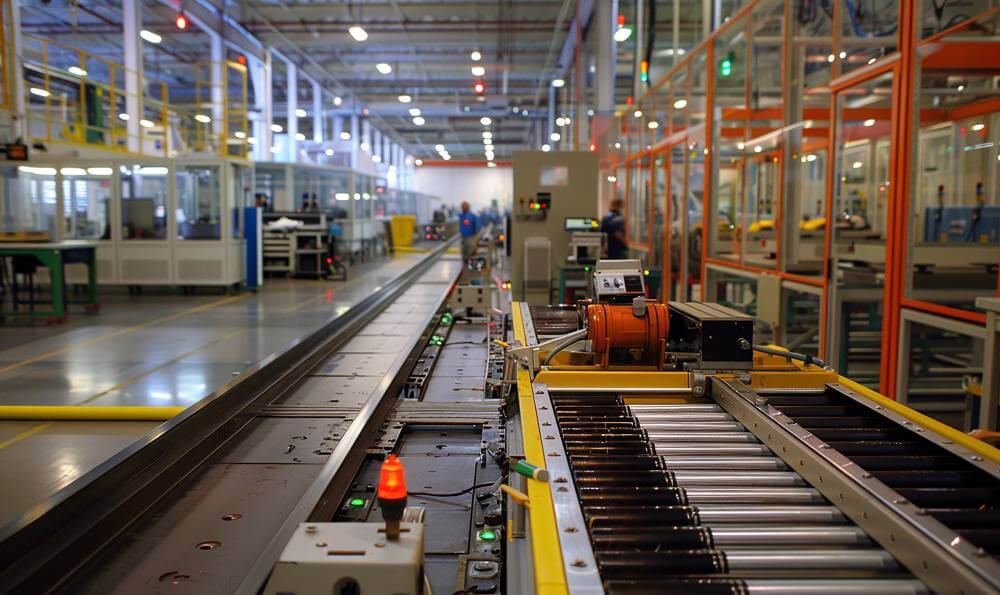

Prawo Little’a to podstawowa zależność w zarządzaniu operacjami, która stwierdza, że średnia liczba elementów w procesie (praca w toku, czyli WIP) równa się średniej szybkości, z jaką elementy opuszczają proces (przepustowość, czyli throughput) pomnożonej przez średni czas, jaki każdy element w nim spędza (lead time).
Zapisane równaniem to WIP = Throughput x Lead Time , a przekształcone daje Lead Time = WIP / Throughput . Na hali produkcyjnej ta jedna formuła wyjaśnia, dlaczego linia zapchana półwyrobami dłużej realizuje zamówienia i dlaczego zmniejszenie zapasów na hali niemal zawsze skraca czas dostawy.
Prawo Little’a działa tylko wtedy, gdy zdefiniujesz jego trzy zmienne konsekwentnie, używając tych samych jednostek i tych samych interwałów czasowych.
Prawo obowiązuje dla każdego stabilnego systemu w wystarczająco długim oknie pomiarowym, niezależnie od kolejności przetwarzania zadań, zmienności przyjazdów czy liczby maszyn. To generalność czyni je tak użytecznym.
Wyobraź sobie średniej wielkości stanowisko montażowe. W danym momencie znajduje się średnio 120 sztuk pracy w toku na hali. Stanowisko kończy 30 sztuk na godzinę. Ile czasu średnio zajmuje jednej jednostce przejście od startu do końca?
Zastosuj przekształcone równanie:
Tak więc średnia część przebywa w systemie przez 4 godziny, nawet jeśli faktyczna praca manualna zajmuje tylko 30 minut. Pozostałe 3,5 godziny to oczekiwanie w kolejkach, bezpośredni skutek nadmiaru WIP.
Załóżmy teraz, że zespół ciągłego doskonalenia zmniejsza zapasy na hali o połowę do 60 sztuk , utrzymując przepustowość na poziomie 30 sztuk na godzinę. Nowy lead time to 60 / 30 = 2 godziny . Ten sam poziom produkcji, pół razy krótszy czas dostawy, wyłącznie przez opróżnienie kolejek.
Przykład powyżej nie jest przypadkowy. Ponieważ lead time równa się WIP podzielonemu przez throughput, jeśli przepustowość pozostaje stała, lead time jest wprost proporcjonalny do WIP. Przekrój WIP o połowę i skracasz lead time o połowę. To matematyczne uzasadnienie intuicji lean, by redukować zapasy na hali.
Nadmiar WIP to jedno z klasycznych siedmiu marnotrawstw. Ukrywa problemy jakościowe, wiąże kapitał i wydłuża pętlę informacji zwrotnej między powstaniem a wykryciem defektu. Każda dodatkowa część czekająca w kolejce dodaje czasu do każdej części za nią. Zmniejszenie WIP nie tylko obniża koszty, ale sprawia, że cała linia staje się bardziej responsywna.
Prawo Little’a wyjaśnia, dlaczego produkcja oparta na pull działa. W systemie push praca jest wypuszczana zawsze, gdy stacja upstream jest wolna, więc WIP gromadzi się tam, gdzie linia jest najwolniejsza. W systemie pull sterowanym Kanbanem stała liczba kart ogranicza WIP dozwolony w każdej strefie. Ponieważ WIP jest ograniczony, ograniczony jest też lead time i staje się on przewidywalny zamiast narastać, gdy popyt skacze w górę.
Dlatego zespoły ustalają wyraźne limity WIP: w praktyce wyznaczają w ten sposób docelowy czas realizacji. Jeśli znasz swoją przepustowość i chcesz dwugodzinny lead time, prawo Little’a dokładnie mówi, ile WIP można dopuścić. W połączeniu z Total Productive Maintenance utrzymującą wąskie gardło w ruchu, ograniczenie WIP daje płynny, równomierny przepływ, na którym opiera się lean manufacturing.
Prawo jest potężne właśnie dlatego, że jest proste, ale ta prostota ma swoje granice. Daje średnie, nie rozkłady, więc nie powie ci, jaki jest najgorszy możliwy lead time ani jak dużej zmienności się spodziewać.
Zakłada, że system jest stabilny, co oznacza, że przyjazdy i odjazdy się równoważą w oknie pomiarowym; linia zapełniająca się szybciej niż się opróżnia narusza to założenie. I nie wyjaśnia, dlaczego przepustowość ma taki a nie inny poziom.
Aby podnieść tempo ukończeń, nadal trzeba atakować ograniczenia, redukować nieplanowane przestoje i poprawiać Overall Equipment Effectiveness. Prawo Little’a pokazuje kształt zależności, nie wskaźniki, za które trzeba pociągnąć.
Wzór jest tak wiarygodny, jak liczby, które mu wprowadzisz, a najtrudniejszym z trzech do rzetelnego zmierzenia jest WIP. Zliczenie części na hali w jednym momencie to migawka, nie średnia, a ręczne zliczenia tracą aktualność w ciągu zmiany. Przepustowość i lead time też wymagają rzeczywistych, opatrzonych znacznikiem czasu zdarzeń produkcyjnych, a nie oszacowań.
Tu ważne jest monitorowanie w czasie rzeczywistym. Fabrico ciągle śledzi zdarzenia produkcyjne, dzięki czemu przepustowość i WIP są mierzone, a nie zgadywane. Jego monitorowanie OEE i produkcji w czasie rzeczywistym rejestruje ukończenia w momencie ich wystąpienia, także dzięki monitorowaniu kamerowemu i wizji komputerowej na maszynach, które nie mają PLC do odczytu.
Gdy te dane na żywo zasilać będą Prawo Little’a, obliczony lead time odzwierciedla rzeczywisty stan hali i możesz działać na tej podstawie z pewnością.
Aby używać Prawa Little’a jako narzędzia codziennego użytku, postępuj według krótkiej pętli:
Powtarzaj w miarę zmiany popytu i mieszanki produktów. Prawo będzie nadal wskazywać ten sam wniosek: mniej bałaganu na hali, szybsze dostawy do klienta.
Tak. Prawo Little’a obowiązuje dla dowolnej granicy procesu, jaką wybierzesz, czy to pojedyncza maszyna, komórka produkcyjna czy cały zakład. Wystarczy zmierzyć WIP, przepustowość i lead time dla całego systemu w obrębie tej granicy. Ma ono również zastosowanie do każdego podetapu, dlatego można je zagnieżdżać: suma czasów przejścia podetapów równa się całkowitemu lead time, jeśli granice są spójne.
Prawo Little’a opisuje średnie w stabilnym oknie, więc krótkoterminowe wahania są dopuszczalne, o ile system nie napełnia się trwale ani nie opróżnia. Jeśli przepustowość przesunie się na nowy stały poziom, przelicz używając nowej średniej. Gdy przepustowość jest naprawdę niestabilna, łącz prawo z narzędziami takimi jak statystyczna kontrola procesu (SPC), aby zrozumieć zmienność zanim zaufasz pojedynczej średniej.
Zmniejszenie WIP skraca lead time, ale zbyt gwałtowne cięcia mogą odciąć wąskie gardło od materiału i obniżyć przepustowość, co z kolei ponownie wydłuży czas realizacji. Celem jest najmniejszy poziom WIP, który utrzymuje twoje ograniczenie w pełni zasilone. Znajdź ten poziom doświadczalnie, chroń wąskie gardło silnym utrzymaniem ruchu i praktykami proaktywnego utrzymania, a następnie trzymaj się tego poziomu.
Gotowi oprzeć decyzje o WIP, przepustowości i lead time na danych z hali w czasie rzeczywistym zamiast na nieaktualnych zliczeniach? Zarezerwuj demo Fabrico i zobacz, jak OEE w czasie rzeczywistym i monitorowanie za pomocą wizji komputerowej zmieniają Prawo Little’a z formuły na tablicy w narzędzie operacyjne na co dzień.
Zobacz, jak Fabrico łączy OEE i utrzymanie ruchu w jednej platformie.
Zaplanuj demo









 Zaloguj
 Blog
Blog