Ci, którzy jeszcze nie wdrożyli koncepcji u siebie, zadają sobie podstawowe pytanie: czym jest MRO? Utrzymanie ruchu, naprawy i eksploatacja, czyli MRO, to mocne pojęcie obejmujące cały zestaw kroków i działań prowadzonych w środowisku przemysłowym.
Mocne, bo dobrze poprowadzone daje wymierne efekty: wyższą produktywność, lepszą jakość wyrobów, większą efektywność i mniej kosztownych przestojów. Mimo tych korzyści wielu w branży wciąż nie rozumie MRO i nie zarządza nim skutecznie.
Dlatego warto poznać, co MRO oznacza w produkcji, dlaczego jest ważne, jakie ma rodzaje i jak je poprawić. Dokładnie o tym jest ten artykuł. Wejdźmy w temat głębiej.
Żeby zdefiniować MRO, trzeba odpowiedzieć na pytanie: co oznacza MRO w produkcji? W skrócie MRO to utrzymanie ruchu, naprawy i eksploatacja. To grupa działań kluczowych dla każdej działalności produkcyjnej w środowisku przemysłowym.
Obejmuje koszty, narzędzia, maszyny, obiekty, części zamienne i zapasy magazynowe, zarządzanie, magazynowanie oraz współpracę z dostawcami. Razem z innymi czynnikami, które tworzą cały proces MRO, pomagają firmom osiągać cele biznesowe.
Czym jest MRO w produkcji? Najlepiej traktować ten termin jako pojęcie nadrzędne, które łączy oddzielne działania w zakładzie. Po połączeniu i optymalnym wdrożeniu podnoszą one efektywność produkcji.
Definicja MRO obejmuje więc wszystkie elementy zakładu produkcyjnego lub przemysłowego, od infrastruktury po narzędzia, maszyny i części zamienne. Optymalnie zarządzane, zwiększają moce i wyniki organizacji, z maksymalną korzyścią dla biznesu.
Mowa o branżach takich jak spożywcza i napojów, handel, produkcja mebli, produkcja szkła i inne, które używają maszyn i urządzeń do wytwarzania produktów sprzedawanych w modelu B2B lub B2C.
MRO, konserwacja, naprawy i eksploatacja, oraz właściwe zarządzanie MRO mają kluczowe znaczenie dla każdego zakładu produkcyjnego, fabryki lub zakładu. Poniżej przedstawiamy tylko niektóre z powodów, dla których tak jest.
Przestoje mogą być planowane lub nieplanowane. Pierwszy z nich jest preferowany, ponieważ oznacza, że przerwy w pracy maszyn są zaplanowane. Natomiast nieplanowane przestoje występują, gdy maszyna niespodziewanie ulegnie awarii.
W nieprzewidzianych sytuacjach, tenagłe naprawywymagają od kierowników utrzymania ruchu zmobilizowania zespołów z innych zadań i działów w celu jak najszybszego rozwiązania problemu. Może tozakłócić cały proces produkcyjnyi narazić go na ryzyko niesprawności, co negatywnie wpłynie na działania konserwacyjne i naprawcze.
W przypadku wystąpienia nieplanowanego przestoju ma to również niezamierzone konsekwencje finansowe, skutkując dodatkowymi i niepotrzebnymi wydatkami, a także nieoptymalnym wykorzystaniemzasobów ludzkich i materialnych, co może mieć szeroki wpływ na wynik finansowy przedsiębiorstwa.
W kontekście MRO (Morning and Repair) w przemyśle, odgrywa on kluczową rolę w zapewnieniuzwiększonej wydajności linii produkcyjnej. Linie produkcyjne opierają się na maszynach. Gdy maszyny działają sprawnie, produkcja jest wydajna i płynna.
Kluczowa jest w tym kontekście rola konserwacji, napraw i operacji.
Przede wszystkim,konserwacja naprawcza i predykcyjnagwarantują, że maszyny nie będą narażone na przestoje. Naprawy są przeprowadzane zgodnie z harmonogramem i planem, aby nie powodować przerw w pracy, co przyczynia się do wzrostu produktywności i wydajności firmy.
Wysoka produktywność przekłada się na wyższą jakość produkcji i minimalizację zakłóceń.
Wysoka produktywność przekłada się na większe zadowolenie klientów i silniejszą markę, znaną jako niezawodne i godne zaufania źródło produktów. W związku z tym MRO odgrywa fundamentalną rolę w zapewnieniuoptymalnej wydajności linii produkcyjnej.
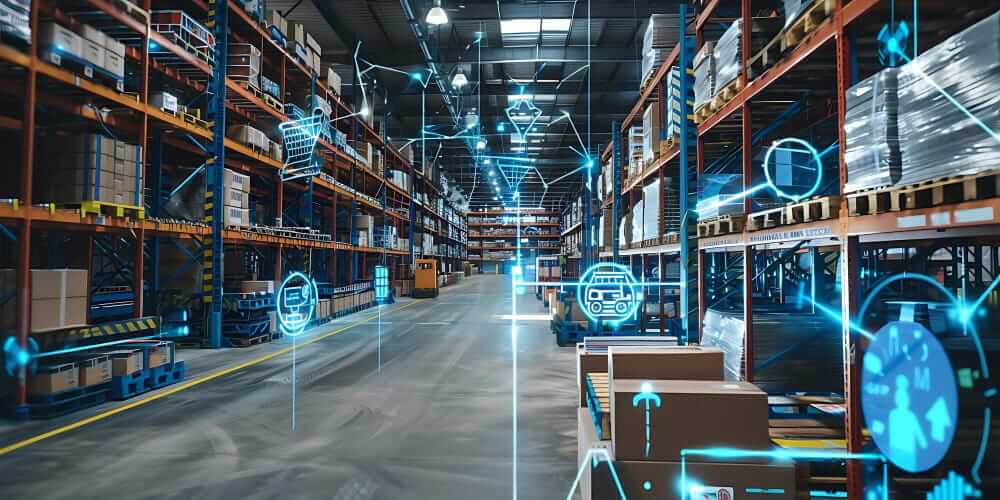
Dzięki MROoptymalizowana jest kontrola i wykorzystanie sprzętu, narzędzi i zapasów. Niezależnie od tego, czy chodzi o duży magazyn, czy mniejsze powierzchnie w pobliżu techników i ekip konserwacyjnych, większość zakładów produkcyjnych i zakładów dysponuje powierzchnią magazynową do przechowywania zapasów i części zamiennych.
Zarządzanie częściami zamiennymi może być jednak trudnym zadaniem, zwłaszcza że ich zapasystale się wyczerpująw trakcie użytkowania i wymagają ciągłego uzupełniania. W takich przypadkach kluczowa jest efektywność. Organizacje nie powinny gromadzić wielu części zamiennych, ani nawet materiałów biurowych, które pokrywają się kurzem.
Zamiast tego powinny wdrożyć system zarządzania zapasami, który będzie sygnalizował, kiedy poziom zapasów się wyczerpuje i kiedy należy je uzupełnić.
Gdy taki system zostanie wdrożony, łatwiej będziezarządzać dostępnymi zasobami, ponieważ części zamienne i zapasy należą do największych bieżących wydatków, jakie organizacja ponosi, aby móc się rozwijać.
Dzięki zoptymalizowanemu zarządzaniu zapasami części i ich organizacji, kierownik ds. utrzymania ruchu dokładnie wie, ile zapasów jest dostępnych, jak szybko się wyczerpują oraz jakie materiały i materiały MRO należy uzupełnić. Taka wiedza zapewniapłynną dostępność i sprawne funkcjonowanie działów utrzymania ruchu, napraw i operacji. Łatwiejsze śledzenie zapasów pozwala na wdrażanie najlepszych praktyk zarządzania zapasami MRO, co przekłada się na większy sukces organizacji.
W nawiązaniu do powyższego tematu optymalizacji zarządzania zapasami i ich organizacji, pojawia się kolejna korzyść płynąca zminimalizacji marnotrawstwa zasobów. Należy pamiętać, że niektóre części zamienne lub zapasy mają krótki termin przydatności.
W związku z tym posiadanie ich w dużych ilościach w magazynienie jest optymalne dla firmyi jej działalności. Niewykorzystane części zamienne lub zapasy o krótkim terminie przydatności szybko się psują i nie nadają się do późniejszego wykorzystania, co prowadzi do marnotrawstwa.
To poważnyproblem finansowy, z którym muszą radzić sobie kierownicy ds. utrzymania ruchu i działy finansowe. Właśnie dlatego MRO tak skutecznie wprowadza rozwiązania optymalizujące zużycie zasobów. Dzięki odpowiedniemu oprogramowaniu zarządzanie zapasami staje się usprawnionym procesem, który można sprawnie obsługiwać i zarządzać nim na bieżąco.
Zasoby ludzkie stanowią jeden z najważniejszych aspektów organizacji. Należy je optymalnie wykorzystać, aby osiągnąć maksymalną wydajność w zakładzie produkcyjnym.
Gdy maszyna ulega awarii i wymaga konserwacji doraźnej lub reaktywnej,zasoby zespołu są często odrywaneod innego, krytycznego zadania, aby rozwiązać bieżący problem. Skutkuje to nieefektywnością zespołu.
Jednak dzięki terminowemu planowaniu i harmonogramowaniu MRO,konserwacja reaktywna jest minimalizowana. Oznacza to, że umiejętności członków zespołu są optymalnie wykorzystywane w ograniczonych ramach czasowych, co zapewnia maksymalną wydajność. Zwiększona efektywność pracowników pozwala również zespołom konserwacyjnym pracować z pełną wydajnością, bez wycieków, marnotrawstwa czasu i zasobów oraz kosztownych konsekwencji finansowych.
Dzieje się tak, ponieważ gdy zespołom przydzielane są zlecenia, które realizują zgodniez harmonogramem i planem, nie ma potrzeby pracy po godzinach ani zatrzymywania procesów produkcyjnych w celu przeprowadzenia prac konserwacyjnych i naprawczych.
Zakłady produkcyjne i obiekty ponoszą ogromną odpowiedzialność za zapewnieniezgodności z lokalnymi i krajowymi przepisami. Ten aspekt zgodności wymaga regularnej konserwacji i utrzymania maszyn i urządzeń zgodnie z najwyższymi standardami mechanicznymi i bezpieczeństwa.
Jeśli jakakolwiek maszyna nie działa prawidłowo,ryzyko wyrządzenia krzywdy pracownikomjest wyższe. Dlatego muszą być one zawsze w idealnym stanie technicznym. Gdy zagrożone jest bezpieczeństwo zespołu, istnieje niebezpieczeństwo dla ich zdrowia i dobrego samopoczucia.
Wszelkie tego typu ryzyko należy minimalizować, abywskaźnik wypadków utrzymywał się na poziomie zerowymtak długo, jak to możliwe. Każda organizacja powinna stosować zasadę zerowej tolerancji wobec incydentów i wypadków zagrażających bezpieczeństwu i higienie pracy, aby zapewnić swoim zespołom dobre samopoczucie i bezpieczeństwo na miejscu pracy.
Wszystkie powyższe korzyści, łącznie, mają znaczący wpływ na koszty. Nieefektywne funkcjonowanie zakładu produkcyjnego prowadzi dopoważnych strat finansowych. Z drugiej strony, wysoka wydajność zakładu i utrzymywanie niepotrzebnych i nieplanowanych wydatków na jak najniższym poziomie pozwalają firmie prosperować finansowo.
Oznacza to również lepszy iwiększy zwrot z inwestycji (ROI) dla inwestorów, którzy muszą zobaczyć, jak ich inwestycja działa z maksymalną wydajnością, aby mogli zbierać plony.
Zdrowy biznescharakteryzuje się większym napływem środków niż ich wypływem. Im wyższe obroty i rentowność, tym lepsze wyniki finansowe i rozwój lokalnej gospodarki poprzez tworzenie miejsc pracy i napędzanie wzrostu gospodarczego.
OEE prosto z maszyn, bez ręcznego wpisywania danych?
Zobacz na żywoDzięki MRO produkcja staje się płynnym i usprawnionym procesem. MRO to jednak dość szeroka kategoria, często stosowana w różnych obszarach działalności biznesowej, od konserwacji i napraw infrastruktury fizycznej zakładu po narzędzia i materiały eksploatacyjne.
Krótko mówiąc, w różnych rodzajach działalności biznesowej wykorzystywane są cztery główne rodzaje MRO. Każdy z nich zostanie omówiony bardziej szczegółowo poniżej.
W kontekście MRO, konserwacja obejmuje konserwację i naprawy infrastruktury. Infrastruktura odnosi się do gruntów i budynków należących do przedsiębiorstwa.
Może również obejmować takie aspekty, jak naprawy dachów, konserwacja systemów HVAC (ogrzewanie, wentylacja, klimatyzacja), naprawy uszkodzonych ścian, drzwi lub pęknięć w budynkach lub magazynach itp. Ponadto, naprawa i konserwacja infrastruktury może obejmować utrzymanie ogrodów i terenów zielonych, ścieżek i chodników oraz innych powiązanych obszarów, które sąstałe i nieruchome, ale nadal wymagają konserwacji.
Drugi rodzaj MRO zajmuje się naprawą i konserwacją urządzeń produkcyjnych. Czym jednak są urządzenia MRO?
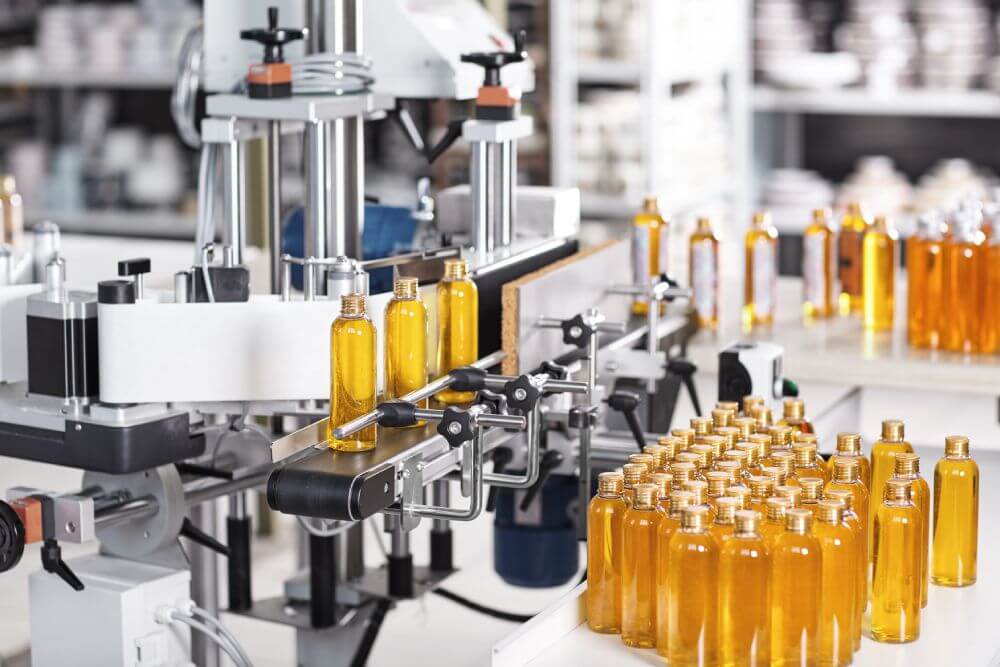
Urządzenia MRO to większośćinfrastruktury mechanicznej na terenie zakładu, czyli maszyny i urządzenia stanowiące podstawę procesów produkcyjnych. Krótko mówiąc, maszyny te mogą obejmować przenośniki taśmowe, duże maszyny z kołami i zębami, specjalistyczny sprzęt wspomagający produkcję i inne.
Konserwacja sprzętu do transportu materiałów odnosi się do konserwacji sprzętu, któryprzetwarza gotowe produkty z podstawowych procesów produkcyjnych. Może to obejmować wózki widłowe, pozycjonery palet, kontenery masowe, podnośniki, robotykę energetyczną i inne.
Maszyny te są często wykorzystywane w dwóch celach. Po pierwsze, mogą transportować surowce do linii produkcyjnych w celu dalszego rafinowania.
Po drugie, mogą transportować gotowe produkty do ciężarówek, magazynów i doków przeładunkowych w celu przetworzenia i dostarczenia do podmiotów zewnętrznych lub klientów końcowych, w zależności od dostawców i łańcucha dostaw organizacji. Dzięki temu zarządzanie łańcuchem dostaw MRO staje się szybsze i bardziej efektywne.
Jak sama nazwa wskazuje, jest to kategoria typów MRO, definiowana przez narzędzia i materiały eksploatacyjne. Są one niezbędne w procesie produkcyjnym, a utrzymanie odpowiednich zapasów ma kluczowe znaczenie.Nie są one jednak bezpośrednio zaangażowane w produkcję wyrobów gotowych. Przykładami mogą być narzędzia ręczne z napędem mechanicznym i ręcznym, wiertła tnące, zaciski i narzędzia do łączenia, kleje i spoiwa, papier ścierny, materiały do spawania i lutowania, środki ochrony indywidualnej, środki czyszczące, artykuły biurowe itp.
Po przeanalizowaniu korzyści i rodzajów MRO, staje się jasne, że efektywność MRO można osiągnąć, stosując kilka najlepszych praktyk branżowych w zakresie zarządzania zapasami MRO. W skrócie, są to:
Każdy proces zaopatrzenia ma implikacje finansowe. Dlatego Twoje MRO i jego elementy muszą być maksymalnie wydajne, aby zapobiec kosztownym stratom finansowym w Twojej organizacji.
Kluczowe jest korzystanie z oprogramowania do zarządzania zaopatrzeniem, takiego jakkomputerowy system zarządzania konserwacją (CMMS), aby usprawnić działania zakupowe i kontrolować stan zapasów. Co więcej, CMMS może pomóc w zarządzaniu zleceniami i przepływami pracy, planowaniu zadań konserwacji zapobiegawczej i napraw oraz w sprawnym funkcjonowaniu całej działalności.
Optymalizacja przepływów pracy MRO to cel, do którego należy nieustannie dążyć. Często wymaga to podejmowania decyzji w oparciu o dane, aby zapewnić jak największą płynność operacji produkcyjnych. Mając to na uwadze, system CMMS to niezwykle przydatne iwydajne narzędzie, które może generować raporty i analizy, a także tworzyć płynne przepływy pracy, gwarantując wysoką efektywność działań konserwacji zapobiegawczej z korzyścią dla Twojej organizacji.
Wreszcie, wybór odpowiedniego oprogramowania i narzędzi jest koniecznością. Jak jednak podjąć taką decyzję? Organizacje często uważają, że najbardziej opłacalna alternatywa to najlepsze rozwiązanie.
Wręcz przeciwnie,cena powinna być tylko jednym z czynników decydującycho wyborze oprogramowania CMMS. Inne kryteria obejmują wybór systemu CMMS oferującego kluczowe funkcje, takie jak:
Korzystanie z systemu MRO wymaga głębszego zrozumienia pytania: Czym jest przemysłowy MRO? Przemysłowy MRO jest specyficzny dla zakładów przemysłowych, w których produkcja w zakładzie produkcyjnym stanowi podstawową część działalności.
Aby osiągnąć optymalną wydajność MRO, niezbędne jest połączeniego z systemem CMMS.
Wybierając odpowiednie oprogramowanie do zarządzania zapasami, kluczowe jest dobranie odpowiedniego narzędzia. W tym kontekściesystem CMMS firmy Fabricoto wyjątkowe i wydajne rozwiązanie, które pomoże Ci zarządzać zapasami MRO, usprawnić konserwację, obsługiwać naprawy awaryjne, przydzielać zlecenia robocze i śledzić zapasy, a także oferuje dane i analizy, które pozwolą Ci podejmować decyzje oparte na danych.
Czas wdrożyć system CMMS Fabrico w swojej organizacji, aby zwiększyć wydajność i usprawnić procesy produkcyjne. Umów się na demo, klikając Tutaj.
W tym artykule staraliśmy się odpowiedzieć na pytania: Czym jest MRO i co oznacza MRO w produkcji? Wskazaliśmy również niektóre zkluczowych korzyści, rodzajów MRO i najlepszych praktyk,które możesz wdrożyć, aby zapewnić rozwój swojego zakładu produkcyjnego.
Zrozumienie MRO w tego typu zakładach jest niezbędne. Jednak te praktyki i działania najlepiej sprawdzają sięw połączeniu z oprogramowaniem CMMS. Pamiętaj o stworzeniu strategii MRO dostosowanej do potrzeb Twojej firmy i stałym monitorowaniu jej efektywności kosztowej.
Zachęcamy do zapoznania się z różnymi rozwiązaniami MRO dostępnymi na rynku. Jesteśmy do Państwa dyspozycji, aby odpowiedzieć na wszelkie pytania. Skontaktuj się z nami już dziś!






 Zaloguj
 Blog
Blog