






 Login
 Blog

5 Best OEE Software for High-Speed Packaging Lines (2026)

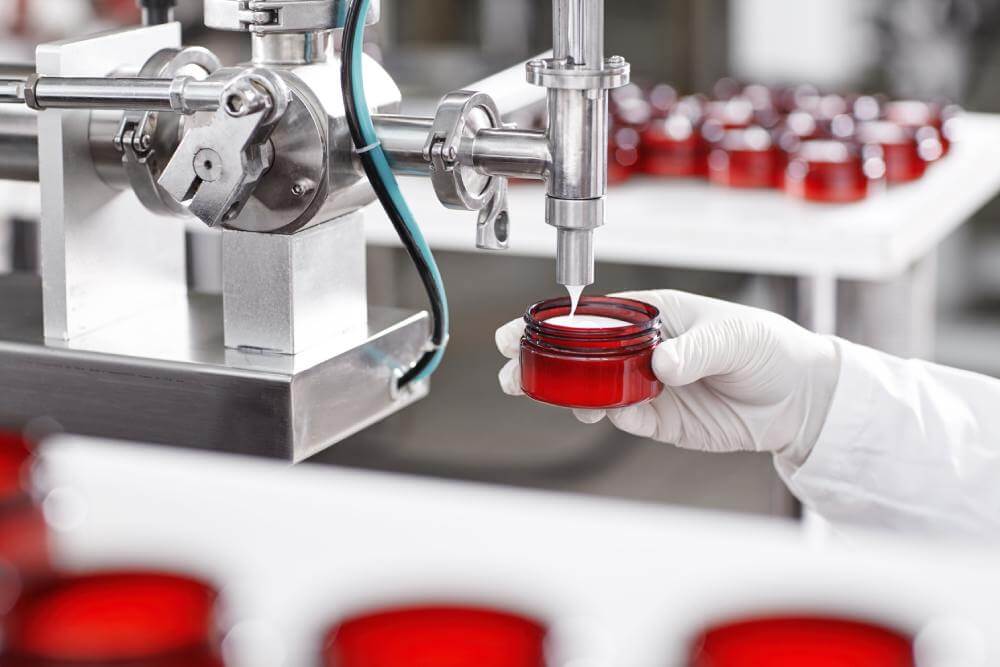
Packaging OEE monitoring shows how much of the planned time a filler, wrapper or case packer turns into good packs, and where the rest went. We sell one of the five tools below: Fabrico, an MES and OEE platform with maintenance built in.
Example: on a line rated at 400 units a minute, a 5% performance loss is 20 units a minute, or 9,000 units over 450 running minutes. Short stops and slow running rarely reach a paper log, so the tool has to read them from the line.
Key Takeaways
-
Micro-stops add up fast on packaging lines. Jams under 60 seconds rarely reach a paper log, so measure them on your own line.
-
Video shows what a signal cannot. With the AI camera (an add-on), you can open the video for that minute, so the team can see what happened.
-
Keep the stop and the follow-up together. Check how a stop becomes a task for the team, and who opens it.
Choosing between these tools? Ask where the data comes from.
Whichever OEE platform you shortlist, the decisive question is data quality. Manual logs miss the short stops, micro-stops and idle time that quietly erode OEE, so read the stops from the machine signal.
Fabrico is an MES and OEE platform with maintenance (CMMS) built in and an AI camera add-on: the add-on camera counts packs where there is no machine signal, and a technician can open a work order from the stop.
See our guide to Overall Equipment Effectiveness and how to calculate OEE, or book a Fabrico demo.
What is the best OEE software for high-speed packaging lines?
The best OEE software for high-speed packaging lines is an MES and OEE platform with CMMS built in that combines real-time machine pulse monitoring (PLC), operator context, and AI-powered Computer Vision to show the Six Big Losses by line and shift, with maintenance in the same system.
For a shift lead, the bottleneck is often the "Information Hunt."
Instead of guessing why a labeler or case packer stopped, the shift lead opens the video for that minute next to the line's OEE data.
How do I use AI to catch micro-stops on packaging lines?
Use AI cameras for what they do well today, and let the machine signal do the timing. Today an AI camera counts output and lets you open the video for any minute of the shift. The stop itself is timed by the machine signal, or logged by the operator where there is no signal. A camera that detects micro-stops on its own is on our roadmap, not live.
Here is how that catches micro-stops on a filler, wrapper or case packer:
- Time every stop from the signal. Read stops from the PLC, short ones included, and set the micro-stop threshold once, for example 2 minutes. Report micro-stops apart from long stops.
- Put a camera where the signal is blind. Transfers, the case packer infeed and hand-pack stations often have no count you can trust. The camera counts packs there.
- Read the gaps. On the shift timeline, a run of short gaps in the count shows where micro-stops cluster, by station and by time of shift.
- Open the video for those minutes. You may see a fallen bottle at the combiner, a film splice at the wrapper or a case blank jam. Then pick the cause from your reason list, based on what the video shows, not on a guess.
- Rank and fix. Rank the causes by minutes and money, fix the top one, and check the count again the next week.
Roadmap, not live: the camera detects the stop, marks jam and blockage zones on the camera view, and suggests a reason that the operator confirms. Ask any vendor, us included, what is ready for your pilot line, and get it in writing. Checking seals, labels and codes is a different job, done by inspection systems, and their reject count feeds Quality.
For the full method, read micro stops and OEE. For where cameras go by sector, see beverage and bottling lines, household products and FMCG manufacturing.
Packaging OEE Checks: Filler, Wrapper, Case Packer
| On the line | What to measure | Fabrico, our product | Ask every vendor |
|---|---|---|---|
| Filler | Short stops, slow running, rejects | Stops and counts from the PLC, or an IoT device on older machines. The operator tags the cause. | Show a short stop arriving from a real machine signal. |
| Wrapper | Film changes, jams, slow cycles | The same, plus the video for that minute on lines with a camera. | Who sets the shortest stop that counts? |
| Case packer | Jams, waiting for product or cases | Stop reasons from your own list, by machine and shift. | Can you tell a machine fault from waiting on the machine before it? |
| Micro-stops | Count and minutes per shift | Detected from the machine signal and reported apart from long stops. | Show the math from raw events to Performance. |
| Stop to task | Who acts, and from which screen | A technician opens a work order from the stop. A stop reason can also be configured to open a task automatically. | Show it end to end. |
| Mobile | What people use at the line | Browser, plus iOS and Android apps. Cloud software and the app has no offline mode, so the app needs a working connection at the line. If the link drops, the gateway can store machine data offline for up to 30 days, with automatic recovery within 72 hours by default. | What happens when the link drops? |
| Rollout | Time to live data | About 1 month to install and connect devices, 3 to 4 months for a full rollout. | Get the plan for your line in writing. |
1. Fabrico: MES and OEE Platform with CMMS Built In
Fabrico is an MES and OEE platform that puts machine signals, AI camera video and maintenance tasks in one system. See how it fits food, beverage and FMCG lines.
How it works on packaging lines: Fabrico uses the Inefficiencies Zoom-In (Computer Vision) module, where AI cameras count packs on the line, including at stations with no usable machine signal. When a high-speed line stutters or a feeder jams, you click the stop on the shift timeline and open the camera video for that minute. In the standard setup the video is streamed when someone opens it and is not stored in Fabrico.
Because production data and maintenance live in one system, the technician opens a work order straight from that stop, scans the machine’s QR Code, views the "Replay" on a phone, and works the job from there.
2. MachineMetrics
MachineMetrics is an industrial IoT platform focused on machine connectivity and high-frequency data analysis, particularly for discrete manufacturing.
What to check: How does a packaging fault become a job for the maintenance team?
3. Worximity
Worximity focuses on "Smart Factory" connectivity and provides real-time OEE visibility through an intuitive "Tile" interface designed for floor-level engagement.
What to check: How much asset history and spare parts detail do you need next to the OEE view?
4. Matics
Matics is an agile, cloud-native production monitoring platform that focuses on real-time OEE visibility and floor-level alert management.
What to check: Can you see video of a micro-stop, or data only?
5. Redzone Production System
Redzone is a popular "Social OEE" platform that focuses heavily on operator engagement and shop-floor coaching through gamification.
What to check: How does it capture short cycle drifts on a fast line, and how does a stop reach maintenance?
What a recovered minute is worth on a packaging line
For plant leadership, the case rests on more good packs from the lines you already own.
Example: 10 minutes recovered per shift across ten lines is 100 line minutes a shift. At 400 units a minute that is 40,000 units. Price it with your own margin, and count it only on lines that limit output.
A demo shows the stop list of a packaging line, so the talk starts from real stops.
Book a demoRelated articles






Latest from our blog




Real Fabrico tiles, sample data.