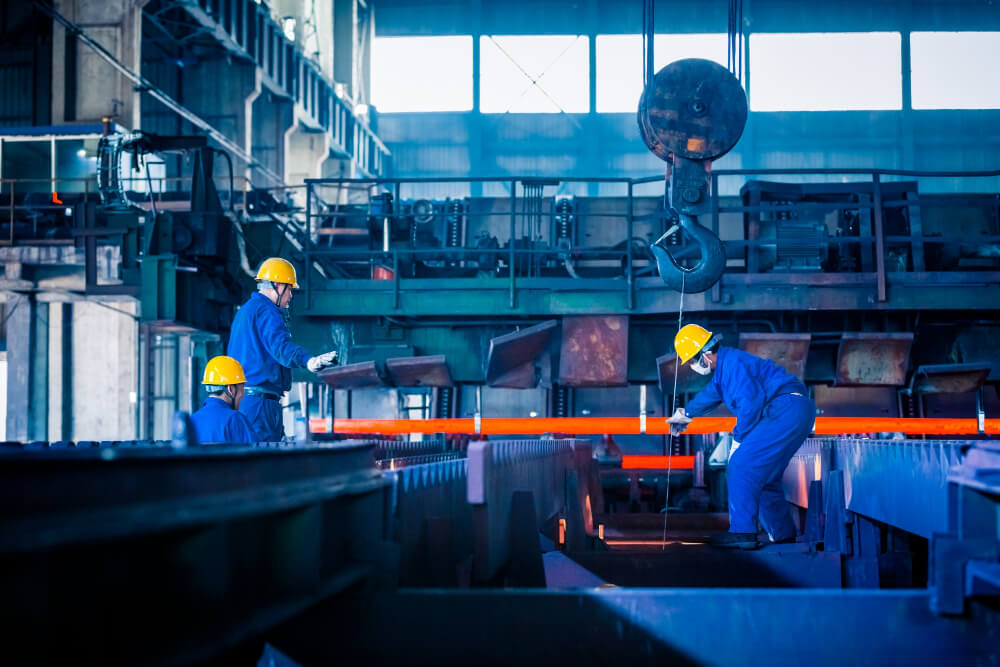

Performanța producției e sub presiune crescândă. Volatilitatea cererii, piețele de muncă mai strânse, așteptările de calitate mai înalte, costurile crescânde la energie și materiale obligă producătorii să privească dincolo de îmbunătățirile izolate și să se concentreze pe cum funcționează sistemul de producție ca un tot.
Indiferent de industrie, o metrică continuă să joace un rol central în această conversație: Overall Equipment Effectiveness (OEE). Adesea introdus ca un KPI simplu, OEE a evoluat într-o lentilă larg folosită pentru a înțelege stabilitatea, fluxul și pattern-urile de pierderi în sistemele moderne de producție.
Această primă ediție Inside Manufacturing oferă o privire de ansamblu asupra a ce e OEE, cum se calculează și cum îl folosesc producătorii de top astăzi în eforturile mai largi de performance excellence.
OEE = Disponibilitate × Performanță × Calitate. E procentajul din maximul teoretic pe care o mașină îl produce de fapt. 100% OEE înseamnă că mașina nu se oprește niciodată, merge la viteză maximă și nu face defecte niciodată. Imposibil, dar ăsta e target-ul.
Nu ca KPI de afișat pentru CEO. Ci ca instrument operațional la nivel de tură, zi, săptămână. Daily standup-ul turei se uită la OEE-ul din noaptea trecută, ce s-a întâmplat, de ce și cum să evităm.
Cei mai buni producători din 2026 combină OEE cu dovezi video Computer Vision, astfel încât fiecare incident de downtime are un clip de 30 secunde care arată ce s-a întâmplat cu adevărat.
OEE nu e magic, e o oglindă. Îți arată ce se întâmplă. Ce faci cu informația rămâne decizia ta.
OEE combines three factors:
Each factor highlights a different category of loss, helping teams understand how much performance is lost, where and why.
OEE targets vary by industry, automation level, and process type:
The theoretical maximum of 100% would require zero downtime, perfect speed, and zero defects, which are unrealistic conditions in real manufacturing environments.
For this reason, experienced manufacturers focus less on absolute targets and more on trend stability and loss behavior over time.
OEE benchmarks continue to differ significantly by industry.
Highly automated sectors like automotive and electronics often target OEE levels above 85%, whereas labor-intensive industries, such as apparel, tend to operate at OEE in the 40-60% range.
These differences reflect automation levels, process variability, and the degree to which performance measurement has been adopted.
1. From static KPI to system indicator
Across industries, OEE is increasingly treated as a system performance indicator, rather than a scorecard number. Instead of chasing short-term gains, leading plants focus on how OEE behaves over time: its variation, sensitivity to change, and response to improvement actions.
2. Real-time visibility versus retrospective reporting
Manual, end-of-shift OEE reporting is giving way to real-time visibility. Manufacturers are investing in connected equipment, sensors, and digital platforms that allow teams to see performance deviations as they happen, enabling corrective action during the shift rather than after the fact.
3. Micro-losses as the new improvement domain
As major downtime is reduced, many manufacturers find that the largest remaining OEE gaps come from micro-losses: small stops, reduced speeds, and short quality interruptions. These losses are frequent, cumulative, and often invisible without high-resolution data.
4. Adoption across multiple industries
While OEE originated in discrete manufacturing, it is now widely used in food and beverage, pharmaceuticals, chemicals, automotive, electronics, and packaging. Each sector applies OEE differently, but the underlying goal is the same: understanding how equipment behavior affects overall flow and output.
5. A common language across functions
In high-performing organizations, OEE is no longer owned by maintenance alone. Instead, it is used as a shared performance language across operations, continuous improvement teams, production planning, and leadership, thus aligning daily decisions around the same operational reality.
1. Establish accurate and trusted data
2. Stabilize through maintenance and calibration
3. Engage operators as performance owners
4. Apply Lean methods
5. Use technology to support judgment
6. Start small with a focused OEE Pilot
OEE remains one of the most widely used performance indicators in manufacturing. Although not perfect, it provides a structured way to understand how availability, speed, and quality interact within a production system.
Used well, OEE supports Lean, Theory of constraint (TOC), and Six Sigma thinking by highlighting where stability breaks down and where improvement efforts will have the greatest impact. As manufacturing continues to digitize, OEE is increasingly embedded in broader performance-management systems.
This newsletter series will continue to examine how manufacturers apply these and related principles to achieve operational excellence, while also reviewing manufacturing trends across industries.
Evelina Speri
Operational Excellence Consultant | Editor Inside Manufacturing
Curious what honest, real-time OEE looks like on your floor?
Request a demo
























Programați o întâlnire individuală cu experții noștri sau înscrieți-vă direct în planul nostru gratuit.
Nu este nevoie de card de credit!






 Login
Login
 Blog
Blog