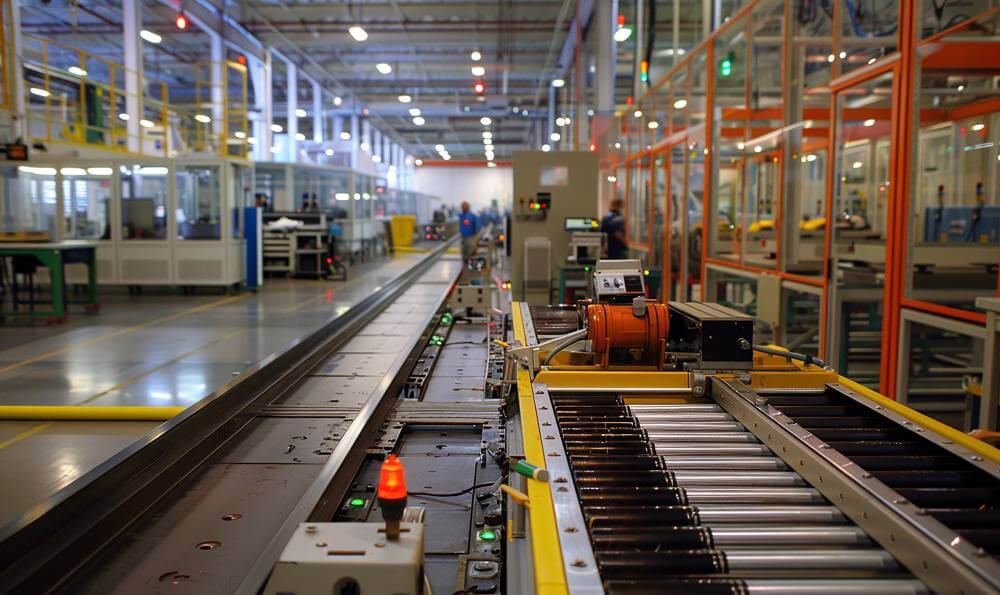

Теория на ограниченията (TOC) е управленска философия, разработена от Елияху Голдрат в неговата книга от 1984 г.
Целта , която твърди, че всяка производствена система в даден момент е ограничена от едно единствено ограничение (нейното най-слабо звено или бутилка) и че най-бързият начин за увеличение на продукцията е да се съсредоточат всички усилия за подобрение върху това едно ограничение, вместо да се разпределят усилията равномерно по цялата линия.
В производствен смисъл, пропускателната способност на целия ви завод се определя от най-бавния ресурс в веригата, така че оптимизирането на всичко друго освен този ресурс не дава реален прираст.
TOC разглежда фабриката като верига от зависещи стъпки. Както верига се къса при най-слабото си звено, така и производствена линия може да произвежда само толкова бързо, колкото е най-бавната ѝ станция. Тази най-бавна станция е ограничението.
Всички останали машини може да са по-бързи, но тяхната допълнителна скорост се губи, защото материалът все пак трябва да премине през бутилката. Затова локалните цели за ефективност могат да подвеждат: машина, работеща с 95 процента използване пред бутилка, просто натрупва инвентар, който се трупа и чака.
Разбирането на реалната пропускателна способност и степен на използване на капацитета на всяка станция е отправната точка за откриване на това ограничение.
Голдрат сведе TOC до повторяем цикъл за подобрение, наречен Петте стъпки на фокусиране:
TOC заменя традиционното счетоводство с три показателя на ниво завод:
Целта е да се увеличи T, като се намалят I и OE. Ключово е, че TOC твърди, че подобряването на пропускателната способност почти винаги превъзхожда намаляването на разходите, защото пропускателната способност няма горна граница, докато съкращаването на разходи в крайна сметка достига нула.
Разгледайте линия с три станции. Рязане, 120 части в час, заваряване, 60 части в час, боядисване, 100 части в час. Ограничението е заваряването, така че цялата линия произвежда само 60 части в час, независимо колко бързо могат да работят рязането и боядисването.
Да предположим, че всяка завършена част се продава за 50 евро и носи 20 евро променливи материални разходи, така че пропускателността на част е 30 евро. При 60 части в час пропускателността на завода е 60 по 30 = 1 800 евро на час.
Сега приложете Петте стъпки на фокусиране. Чрез използване в максимална степен на заваряването (разместване на почивките, така че то никога да не спира, и отстраняване на повтарящи се кратки спирания) вдигате неговата скорост от 60 на 72 части в час, 20-процентен прираст, постигнат без капиталови разходи.
Новата пропускателност на завода е 72 по 30 = 2 160 евро на час, допълнително 360 евро на час, или приблизително 2 880 евро за осемчасова смяна. Забележете, че ускоряването на рязането или боядисването би добавило точно 0, защото те никога не са били лимитът.
Барабан-буфер-въже (DBR) е методът за планиране на TOC, който поставя ограничението начело на цялата линия:
DBR поддържа бутилката захранена и заета, като предотвратява потопа от незавършена продукция, който измъчва push системите. То допълва идеите за плавен поток от lean и естествено се съчетава с гледната точка на Общата ефективност на оборудването (OEE), тъй като буферът съществува именно за да поглъща загубите на наличност, които OEE измерва.
Изгубен час навсякъде нагоре по потока често може да се възстанови, но един час непланиран престой на ограничението е час пропускателност на завода, изгубен завинаги. В горния пример един час престой на заваряването унищожава 1 800 евро пропускателност, които никоя друга станция не може да компенсира. Затова TOC настоява ограничението да получава приоритет при поддръжка, резервни части и квалифицирани оператори. Защитата на барабана е защита на целия завод.
TOC е начин на мислене, а не софтуерен продукт, и Fabrico не твърди, че „изпълнява“ TOC вместо вас. Това, което TOC изисква, за да работи, е точна, в реално време информация за това къде наистина се губи продукцията, и точно това предоставя Fabrico като данъчен фундамент.
Fabrico доставя в реално време OEE и мониторинг на производството, така че да видите коя станция наистина е ограничението, вместо да гадаете. Неговият мониторинг с компютърно зрение улавя циклови времена и микропрестои дори при по-стари машини без PLC, където често живеят скритите бутилки.
А вградената CMMS ви позволява да приоритизирате превантивни наряди и наличност на резервни части за ограничението, така че барабанът да продължи да бие. Fabrico е разработен в ЕС с локализация на данните в ЕС, така че данните от работния под остават под европейско управление.
Lean се фокусира широко върху елиминирането на седемте вида отпадъци в целия поток на стойността, докато TOC концентрира усилията за подобрение върху единичното ограничение, което ограничава пропускателната способност. Двете са допълващи се: много заводи използват TOC, за да решат къде първо да прилагат lean инструменти, така че оскъдното време за подобрение да доведе до най-голямо увеличаване на изхода.
В даден момент TOC предполага, че едно активно ограничение управлява системата, защото това запазва фокуса остър. След като го повишите, ново ограничение се появява другаде, което е причината петата стъпка да е да повторите. Ограниченията могат да бъдат и външни, като пазарното търсене, или вътрешни политики, а не физически машини.
Не. TOC е философия за подобряване на пропускателната способност, докато предиктивната поддръжка е концепция в индустрията за прогнозиране на повреди преди да се случат. Те се пресичат само в това, че надеждното оборудване предпазва ограничението. TOC се опира на същите точни машинни данни, проследявани чрез метрики като MTBF и MTTR, които са необходими за всяка сериозна програма за надеждност.
Готови ли сте да откриете своето реално ограничение с данни от работния под в реално време вместо с догадки? Запазете демонстрация на Fabrico, за да видите как реалновременната OEE, мониторинг с компютърно зрение и CMMS дават на вашата програма за Теория на ограниченията точната основа, от която има нужда.
Вижте как Fabrico обединява OEE и поддръжката в една платформа.
Насрочете демо







 Вход
Вход
 Блог
Блог