


 Login
 Blog
Salmonella Recalls Tracker: The Supplier's Lot and Your Share

In short: A Salmonella recall can start upstream: one ingredient lot, such as a delivery of jalapenos or a bag of sprouting seed, reaches several makers, and each of them recalls. The supplier's lot sets how far the recall can reach; each maker's own records set how much of its output falls inside it. This tracker reads each month's FDA, CFIA and FSANZ notices for where the problem came in and how each firm wrote its scope.
- FDA Enforcement Report data hold 28 Salmonella recall events, 78 product records, with report dates from 12 August to 11 November 2026. Fifteen trace, through FDA pages or the records, to three upstream sources: jalapenos from one grower in Sinaloa, Mexico, alfalfa seed lot SAL2-24JB and broccoli seed lot W4105. Eleven began with a supplier's notice or recall.
- Downstream scopes ran from one finished lot, where a maker could tie the raw material to it, to a range of 33 lot codes at a maker whose supplier recalled jalapenos by a month of pack dates.
- Example plant: a salsa line that links each pail of diced jalapeno to a production order recalls 22,940 tubs when the supplier recalls that lot; a line that knows only the receiving date recalls 51,800. The difference is $37,526.66 to $60,144.24 per event.
Tracker, updated 17 November 2026. Next update: December 2026. Sources are listed at the end.
This page follows Salmonella recalls of food in the US, Canada and Australia each month from the side of the plant that bought the ingredient, and it leans on the same line record that OEE for food and beverage is built on: which product ran on which line, when, and how many units it made. The question it puts to each notice is the one a receiving plant has to answer within hours of a supplier's call: which of our lots used the supplier's lot? The answer comes from three joined records: the ingredient lots received, the production orders that used them, and the finished lots and ship dates those orders made. The middle one is the line record.
New notices join the tables each month and older ones stay, so the page builds into a record of which plants could hold their share of a supplier's recall to a few orders, and which had to recall everything made while the ingredient was in the building. Recalls with other causes have their own trackers: Listeria recalls, scoped by the last verified clean, foreign material recalls, scoped by the detector check interval, and undeclared allergen recalls, sorted by what failed.
Where this period's Salmonella recalls came from
The US rows come from the FDA's Enforcement Report data for food, searched for "Salmonella" in the reason_for_recall field with a report_date from 1 August to 17 November 2026. The data were last updated on 11 November, so the newest report_date in the set is 11 November and the oldest is 12 August. The search returns 78 product records. Grouped by event_id, they are 28 recall events from 28 firms.
Four counts follow, each with its rule. The same rules will apply at each monthly update.
- Classification: the classification field of each record. 26 events are Class I, one is Class II (whole mangoes) and one is not yet classified (ashwagandha capsules). By record, that is 76, 1 and 1.
- Product type: the main product named in the product_description field. Jalapenos, or products made with them: 9 events and 50 records. Sprouts or sprouting seeds: 10 events and 18 records. Moringa leaf powder, or products containing it: 3 events. One event each for shell eggs, a spice mix, pistachio nut butter, whole mangoes, cheese popcorn and ashwagandha capsules.
- Upstream source: an event counts when an FDA outbreak page, an FDA Major Product Recalls page or the record itself ties it to a named upstream source. Three sources account for 15 events and 63 records: jalapenos distributed by Coast Citrus Distributors (6 events, 46 records), alfalfa seed lot SAL2-24JB (4 events, 12 records) and broccoli seed lot W4105 (5 events, 5 records; for two of them the FDA page names the investigation of a common seed lot rather than the lot number). The other 13 events name no upstream source.
- How it was found: the first trigger named in the record's reason_for_recall text, or, where that is silent, in the FDA outbreak page or company announcement read for this tracker. The counts are in the table.
| How the problem was found | Events | Records | Events in this group |
|---|---|---|---|
| A supplier's recall or notice reached the firm | 11 | 56 | Taylor Fresh Foods, NatureBest, Salata, Whole Foods Market, Dairyland, Todd's Seeds, Berlin Seeds, EAK, Eden Brothers, Zen Principle capsules, Foods Alive |
| An illness investigation traced it to the firm | 4 | 8 | Coast Citrus, International Sprout Holdings, Everything Sprouts, Midwest Poultry Services |
| An FDA or state sample tested positive | 3 | 3 | Pistachio nut butter (Florida), broccoli sprouts (Montana), broccoli seed (FDA) |
| A positive result the firm received, tester not named | 1 | 1 | A spice mix sold by Lidl |
| Not stated in the record or the pages read | 9 | 10 | Get Fresh, Sirna and Sons, Ron's Home Style, The Hampton Grocer, Panorama, Coco G's, Gardeners Basics, Fortuna, Vitality Works |
Eleven events out of 28 began with a call from upstream. In each of them the recalling firm did not find the problem itself. It learned about it from the firm that sold it an ingredient, and how much it had to recall depended on what it had written down when that ingredient arrived and when it was used.
Every event in the period, with the scope it stated
Newest report_date first. "Scope stated" is the code or quantity field of the record, shortened; where the record and the company announcement differ, both are noted in the case sections below.
| report_date | Firm and product | Class | How found | Scope stated |
|---|---|---|---|---|
| 11 Nov 2026 | Vitality Works, Albuquerque, New Mexico: 365 Whole Foods Market ashwagandha capsules, 120 count | Not yet classified | Not stated | One lot, 202526227; 10,176 bottles |
| 4 Nov 2026 | Eden Brothers, Arden, North Carolina: calabrese broccoli seeds | Class I | Seed supplier's recall of lot W4105 | Own lots 1022067 and 1022068; 195 packets, 35 one-ounce and 8 one-pound pouches |
| 4 Nov 2026 | Fortuna Marketing, Poway, California: ZestiGreens broccoli seeds | Class I | Not stated | "no lot code"; 600 pounds |
| 28 Oct 2026 | Wild West Seed, Albany, Oregon: broccoli seeds, 50 lb bags | Class I | FDA sample of the seed supplier's seed (outbreak page; lot match ours) | Lots W4105 and W4475; 9,476 lb |
| 28 Oct 2026 | Gardeners Basics, Spanish Fork, Utah: Waltham 29 broccoli sprouting seeds, 1 lb | Class I | Not stated | "Packed for 2027"; 235 bags |
| 28 Oct 2026 | EAK Distribution, Casper, Wyoming: broccoli sprouts seed, 8 oz | Class I | Seed supplier's recall of lot W4105 | Lot AUG172026; 3,600 packets |
| 14 Oct 2026 | Berlin Seeds, Millersburg, Ohio: alfalfa sprouting seeds | Class I | Seed supplier's notice | SAL2-24JB, printed on 5 lb and 50 lb bags only; 950 lb |
| 7 Oct 2026 | Todd's Seeds, Cookeville, Tennessee: alfalfa seed and five seed mixes or bundles | Class I | Supplier's recall ("downstream recall") | SAL2-24JB plus 7 own lot numbers; 37,481 retail units |
| 7 Oct 2026 | Salata Dressings, Houston, Texas: jalapeno avocado dressing | Class I | Supplier's notice on diced jalapeno | 4 retail and 4 food service batch pairs; 1,724 cases |
| 7 Oct 2026 | Coco G's Snack Foods, Union Grove, Wisconsin: spicy cheddar cheese popcorn | Class I | Not stated | Lot 007560, best by 10 June 2026; 270 bags |
| 30 Sep 2026 | Evergreen Fresh Sprouts, Moyie Springs, Idaho: broccoli sprouts, 4 oz | Class I | Montana state sample (outbreak page) | Five use by dates, 7 to 16 Sep 2026; 322.50 lb |
| 23 Sep 2026 | Foods Alive, Angola, Indiana: organic moringa leaf powder, 8 oz | Class I | Supplier's notice of its own retail sample | Freshest by 110127; 1,691 pouches |
| 23 Sep 2026 | Panorama Produce Sales, Mamaroneck, New York: Martina whole mangoes | Class II | Not stated | Lot 038; 302 boxes |
| 23 Sep 2026 | Everything Sprouts, Minneapolis, Minnesota: alfalfa sprouts and three sprout mixes | Class I | Illness investigation, traceback (outbreak page) | Lots 222, 223, 225, 226 and 230; the radish mix 223, 226, 230 and 233 |
| 23 Sep 2026 | Taylor Fresh Foods, Salinas, California: 25 products with jalapeno | Class I | Supplier's recall (Coast Citrus) | "Best If Used By" up to and including 16 Aug 2026 (announcement) |
| 23 Sep 2026 | NatureBest Pre-Cut & Produce, Missouri City, Texas: pico de gallo, soup mix, stuffed mushrooms, diced jalapeno | Class I | Supplier's notice (Coast Citrus) | Codes from 190A26184 to 190A26216, and codes beginning 400B in three of its eight records; 62,856 cases |
| 16 Sep 2026 | International Sprout Holdings, Cookeville, Tennessee: alfalfa seed, 50 lb bags | Class I | Illness investigation, traceback (outbreak page) | One lot, SAL2-24JB; 43,799 lb |
| 9 Sep 2026 | The Hampton Grocer, Montauk, New York: lactation granola with moringa leaf powder | Class I | Not stated | Two lots; 4,059 units |
| 9 Sep 2026 | Ron's Home Style Foods, Houston, Texas: pico de gallo and salsa, 5 lb tubs | Class I | Not stated; the record names jalapenos | 9 codes, use by 5 Aug to 18 Sep 2026; 2,270 lb |
| 2 Sep 2026 | Sirna and Sons Produce, Ravenna, Ohio: jalapenos repacked into 1 lb bags | Class I | Not stated; the record names Salmonella Javiana | Two lots, pack dates 13 and 23 Jul 2026; 249 bags |
| 2 Sep 2026 | Botticelli Foods, Hauppauge, New York: bettergoods pistachio nut butter | Class I | Florida state sample at a store (announcement) | One lot, LB028ACP04; 16,200 units |
| 26 Aug 2026 | Get Fresh Produce, Bartlett, Illinois: jalapenos, 2 lb and 10 lb boxes | Class I | Not stated | 13 codes; 802 cases |
| 26 Aug 2026 | WFM Purchasing (Whole Foods Market), Austin, Texas: 10 guacamoles, salsas and dips | Class I | Supplier's recall (Coast Citrus) | Best before 7 to 12 Aug and 9 to 14 Aug 2026; 12,995 units |
| 26 Aug 2026 | Dairyland Produce, Dallas, Texas: jalapenos repacked into 1 to 10 lb bags | Class I | Supplier's recall (FDA Major Product Recalls list) | 7 lot codes; 7,456 lb |
| 26 Aug 2026 | Lidl US Trading, Arlington, Virginia: Vitasia wok spice mix | Class I | "The firm received a positive test result" | One lot, 155846; 2,040 containers |
| 26 Aug 2026 | Coast Citrus Distributors, San Diego, California: bulk jalapenos from Mexico | Class I | Illness investigation, traceback (outbreak page) | "No lot code information"; pack dates 1 to 31 Jul 2026; 53,760 cases |
| 19 Aug 2026 | Midwest Poultry Services, North Manchester, Indiana: shell eggs produced in Texas | Class I | Illness investigation, traceback (outbreak page) | Codes P-1950 or 0840962, Julian dates 157 to 184; 1,589,577 dozen |
| 12 Aug 2026 | FACTORY6, Lindon, Utah: Zen Principle moringa capsules | Class I | Supplier's notice of an FDA test of the ingredient (announcement) | One lot, A6FF4; 2,048 bottles |
Pages read for the table besides the data: the FDA outbreak pages for jalapenos (August 2026), for eggs (July 2026) and for the two sprout outbreaks, the FDA's Major Product Recalls page for the jalapenos, and the FDA-posted company announcements of Taylor Fresh Foods, NatureBest, Salata, Whole Foods Market, Berlin Seeds, Everything Sprouts, Zen Principle, Foods Alive and Boticelli Foods, as the FDA's posting spells the firm. Each one is listed at the end with its dates.
Three single-lot rows show the other end of the range. Zen Principle's announcement says the moringa leaf powder that tested positive "was used to produce this single lot of finished product", and the recall is that lot, A6FF4. Botticelli's pistachio nut butter recall is one lot, LB028ACP04, after the Florida Department of Agriculture and Consumer Services tested three jars at a store during a routine inspection. Midwest Poultry Services' shell egg recall is set by two codes and a run of Julian dates, 157 to 184, which is 28 dates, and covers 1,589,577 dozen eggs.
Case: jalapenos from one Sinaloa grower, July to October 2026
The FDA's outbreak investigation of Salmonella linked to jalapenos, in its update of 2 October 2026, counts 488 people infected with the outbreak strain of Salmonella Javiana in 34 states, 65 hospitalizations and no deaths, with illnesses starting from 16 June to 26 August 2026. Of 308 people interviewed, 281 reported eating at a Mexican-style restaurant. FDA's traceback, based on where ill people ate, identified a common grower in Sinaloa, Mexico, that supplies Coast Citrus Distributors as the likely source. FDA inspected a common Mexican distributor, found no jalapenos there to sample, and reported that its environmental samples were all negative; it was unable to determine a route or source of contamination. CDC declared the outbreak over on 2 October.
The FDA's Major Product Recalls page for these jalapenos gives the upstream dates: on 22 July 2026 Coast Citrus Distributors began a limited recall of jalapenos in bulk Coast Tropical packaging, and on 5 August it agreed to recall the remaining jalapenos imported from Sinaloa and implicated in the outbreak. The page lists five firms that made products with the jalapenos or repackaged them. Coast Citrus's own Enforcement Report record states its scope in one line: "No lot code information", and a recall of all product with a pack date of 1 July through 31 July 2026, 53,760 cases in bulk containers "intended for further processing".
| Firm | What it says it received | How its scope is written | Quantity in the record | recall_initiation_date |
|---|---|---|---|---|
| Coast Citrus Distributors | Jalapenos from a grower in Sinaloa (FDA) | Pack dates 1 to 31 July 2026; no lot code | 53,760 cases | 22 Jul 2026 (limited recall) |
| NatureBest Pre-Cut & Produce | Jalapenos supplied by Coast Citrus, notice from Coast Citrus | Lot codes 190A26184 to 190A26216 on 14 of the 18 product rows in its announcement, single codes from that range on the other 4; distributed 3 July to 5 August | 62,856 cases | 5 Aug 2026 |
| Dairyland Produce | Jalapenos recalled by Coast Citrus (FDA list) | 7 lot codes on repacked bags | 7,456 lb | 5 Aug 2026 |
| Salata Dressings | Diced jalapenos from its supplier, "received across 4 lots" | 4 production dates, each with a retail and a food service batch pair | 1,724 cases | 6 Aug 2026 |
| Whole Foods Market | Jalapenos sourced from Coast Citrus | Best before 7 to 12 August (guacamoles) and 9 to 14 August (salsas), from its Produce and Prepared Foods departments | 12,995 units | 7 Aug 2026 |
| Taylor Fresh Foods | Notice that Coast Citrus was recalling fresh jalapenos | "Best If Used By" up to and including 16 August 2026, across 25 product records | Units per state in each record | 7 Aug 2026 |
Three more jalapeno events in the data, Get Fresh Produce, Sirna and Sons Produce and Ron's Home Style Foods, name jalapenos but no supplier, and the FDA's list does not include them, so this tracker does not tie them to Coast Citrus. The five firms on the FDA's list all have a recall_initiation_date from 5 to 7 August, 0 to 2 days after Coast Citrus agreed to the wider recall. A supplier's call is a short clock.
What this case teaches about your share
- A month, not a lot. Coast Citrus's record says "No lot code information", so its recall reads as a calendar: every pack date in July. A buyer whose receiving log holds the supplier's pack date can match each delivery against that month within minutes. A buyer that logged only the item, the weight and the day it arrived has to treat every jalapeno delivery from July and the weeks after as possibly inside it. Record the pack date of fresh produce as well as any lot field, because when the supplier has no lot code, the pack date is the only key its notice uses.
- A code range 33 days long. NatureBest's codes run from 190A26184 to 190A26216, and its announcement says the products were distributed between 3 July and 5 August 2026. Reading the last three digits as the day of the year fits those dates: day 184 is 3 July and day 216 is 4 August (our reading; the notice does not decode them). A day in the code let the maker write its scope precisely, a range of 33 codes, but it could not make the scope shorter than the time the recalled jalapenos were in use.
- Four lots in, four production dates out. Salata's announcement says the affected ingredient "was received across 4 lots" and made into finished product between 8 and 29 July 2026; the Enforcement Report record lists food service batches made on 8, 16, 21 and 28 July and four pairs of retail batch numbers. Four received lots, four production dates: in our reading of the two documents, the recall ends with the batches those lots went into. That is the record this tracker means by "your share": the link from a received lot to the batches that used it.
- Sub-recipes carry the ingredient. Taylor Fresh Foods' event holds 25 product records: diced jalapenos, salsas and pico de gallos, but also a rice and bean burrito whose record lists pico de gallo rather than jalapeno, a taco dip with jalapeno inside the pico inside the guacamole, a sandwich, cheese dips and a salad kit. One record, a 12 oz pico de gallo for Wawa, lists green bell pepper and no jalapeno at all; the record does not say why it is in scope. The company announcement of 9 August lists 20 product rows. A where-used search on finished labels would not have found the burrito; the list has to come from the production records of each intermediate, such as each batch of pico de gallo, and where it went.
- Department products, dated scopes. Whole Foods Market's 10 records describe guacamoles and salsas from its Produce and Prepared Foods departments; each "is weighed and a finished product label is applied", and each scope is six best before dates. A retailer's prepared foods department has the same question to answer as a plant: which jalapeno delivery went into which day's batches.
The FDA's 19 August update gave every downstream user the same instruction: if you cannot tell where your jalapeno peppers came from, work with your supplier to find out, and discard them if they were the recalled ones. A plant that has to ask its supplier where its own peppers came from has already lost the first day.
The next case will be added under this one, with its date in the heading.
Case: two sprouting seed lots, August to November 2026
Sprouts show the cascade in the other direction. In both seed outbreaks of this period the illness investigation reached the sprout grower first, and the seed lot's recall followed.
Alfalfa seed lot SAL2-24JB
The FDA's outbreak investigation of STEC and Salmonella linked to sprouts, in its update of 9 November 2026, counts 77 people infected in 16 states with several strains of Shiga toxin-producing E. coli and one strain of Salmonella Agona: 64 with E. coli, 10 with Salmonella and 3 with both. Illnesses started from 31 May to 19 October 2026, 6 people were hospitalized and no deaths were reported, and CDC has declared the outbreak over. The page ties the outbreak to recalled alfalfa seed lot SAL2-24JB, which carries an expiration date of 31 December 2029.
The dates on the page and in the records, in order:
- 21 August: FDA names alfalfa sprouts from Everything Sprouts of Minneapolis as a source, after traceback from restaurants and grocery stores. The firm recalls on 22 August: alfalfa sprouts with lot numbers 222, 223, 225, 226 and 230, and the two mixes made with the same sprouts.
- 28 August: Everything Sprouts expands the recall to its Robust Radish Sprout Mix, lots 223, 226, 230 and 233, for potential cross-contamination from the recalled alfalfa sprouts.
- 31 August: FDA reports that at least one more grower used the same seed lot from a common seed supplier, which had told its customers not to use the lot but had not yet responded to FDA's recall recommendation. The Enforcement Report record for lot SAL2-24JB, filed by International Sprout Holdings of Cookeville, Tennessee, gives a recall_initiation_date of 23 August, 43,799 lb in 50 lb bags, and the same 16 states, Puerto Rico and four places abroad (Canada, Mexico, Tahiti and Venezuela) that the outbreak page lists.
- 11 and 12 September: Todd's Seeds and Berlin Seeds, two seed sellers that pack under their own labels, start recalls, by recall_initiation_date 19 and 20 days after the seed record's.
- 15 September: FDA reports that the seed supplier has agreed to recall the lot.
- One supplier lot, seven own lot numbers. Todd's Seeds' six records carry SAL2-24JB itself on the 1/4, 1/2 and 1 lb bags, two own lot numbers for the 2.5 lb and 5 lb bags, and five more for mixes and bundles, such as TS-245-MIX-13 and TS-VARSPRT-1. The recall could name each mix only because the firm had kept which of its own lots contained the supplier's lot.
- No code on the small bags. Berlin Seeds' announcement says its 5 lb and 50 lb bags bear lot code SAL2-24JB and its 1/4, 1/2 and 1 lb bags bear no lot code, and that no other Berlin sprouting seed, including other alfalfa seed, is affected. A customer holding a small bag cannot check it; only the firm's own record of which seed went into which bags can. It also sold the seed from 13 February to 23 August 2026, 191 days.
- A product without the ingredient. The Robust Radish mix entered the scope through cross-contamination, and it brought lot 233, which is not among the alfalfa lots. A where-used list from recipes alone would have missed it. Keep, with each lot, what else ran on the same equipment or in the same water that day.
- A lot dated to 2029. With an expiration date of 31 December 2029, the seed lot can sit in a warehouse long after the sprouts grown from it are past their best-by dates, as the outbreak page notes. The receiving record has to last as long as the ingredient can.
Broccoli seed lot W4105
The FDA's investigation of Salmonella Bovismorbificans linked to broccoli sprouts, in its update of 4 November 2026, counts 34 people in 6 states, with illnesses starting from 7 July to 11 September 2026, three hospitalizations and no deaths. Montana state officials found the outbreak strain in a sample of Evergreen Fresh Sprouts' broccoli sprouts, and the grower recalled on 4 September. FDA then found the same strain in broccoli seed from the domestic seed supplier, seed originally imported from New Zealand. EAK Distribution recalled on 2 October after being told of the recall of seed lot W4105, and Eden Brothers on 7 October; its own lots 1022067 and 1022068 are supplier lot W4105.
- One lot, two numbers. The Enforcement Report record for lot W4105 is filed by Wild West Seed of Albany, Oregon, and lists a second lot, W4475, "same as lot #W4105 but it changed due to one consignee's request". A buyer that checks a supplier's notice against its receiving log by lot number alone would not find W4475. Ask suppliers to list every number a lot was sold under, and keep the supplier's item number and ship date next to the lot.
- The grower recalled 21 days before the seed supplier. Evergreen's recall_initiation_date is 4 September; Wild West Seed's is 25 September. By recall_initiation_date, three downstream sellers followed 5 to 12 days after the seed record's date. When a plant's own product is the first one named, its record of which supplier lot fed which of its lots is what lets the investigation go up the chain.
What a receiving plant has to be able to show
US rules split the job in two: one set says what a plant must record about what comes in and goes out, and another says when it must check its suppliers at all.
One step back, one step forward. Under 21 CFR 1.337, a nontransporter, in the rule's term, must keep records for all food it receives: the immediate previous source, an adequate description including brand name and specific variety, the date it received the food, the quantity and how it is packaged, and the transporter. For persons who manufacture, process or pack food, the record also includes the lot or code number or other identifier of the food, "to the extent this information exists". 21 CFR 1.345 asks for the same items for food it releases, and adds in paragraph (b) that its records must include information reasonably available to it to identify "the specific source of each ingredient used to make every lot of finished product".
Read against this period's cases (our reading): the receiving record is the floor, and Coast Citrus's "No lot code information" shows how far the floor can drop when the lot code does not exist. Paragraph (b) is the share. It asks for the join from a received ingredient to each finished lot, as far as the information is reasonably available, and that join is what Salata and Zen Principle could show and what a plant with only a receiving log cannot.
A supply-chain program, where the hazard is controlled upstream. Under 21 CFR 117.405, a receiving facility must establish and implement a written, risk-based supply-chain program for those raw materials and other ingredients for which it has identified a hazard requiring a supply-chain-applied control. The same section relieves an importer that complies with the foreign supplier verification program, and holds the documentation the rule names, from conducting supplier verification activities for that ingredient, and excludes food supplied for research or evaluation. 21 CFR 117.410 sets what the program includes: approved suppliers, choosing verification activities and how often to do them, doing them and documenting them. The verification activities it lists are onsite audits, sampling and testing of the raw material or ingredient, review of the supplier's relevant food safety records, and other activities based on supplier performance and risk. In approving suppliers, the facility must consider, among other things, information on each supplier's compliance with FDA food safety regulations, including an FDA warning letter or import alert relating to the safety of food. If it determines that a supplier is not controlling the hazards it has identified as requiring a supply-chain-applied control, it must take and document prompt action under 117.150.
Whether Salmonella on fresh jalapenos or sprouting seed is a hazard requiring a supply-chain-applied control in a given product is that plant's hazard analysis to decide. The program lowers the odds of receiving a bad lot. It does not shrink the recall once one has been received; only the records in 1.345(b) do that.
The Food Traceability Rule: FDA directed not to enforce it before 20 July 2028. The FDA's Food Traceability List (content current as of 24 July 2026) includes "Peppers (fresh)", which covers all varieties of fresh peppers, and "Sprouts (fresh)", irrespective of seed source, as well as fresh tomatoes and fresh herbs such as cilantro. Its requirements apply to listed foods and to foods that contain them as ingredients, provided that the listed food remains in the same form, such as fresh, in which it appears on the list. A fresh salsa made with fresh tomatoes, jalapenos and cilantro may therefore hold three listed foods. The FDA's page on the final rule (content current as of 4 November 2026) says the original compliance date was 20 January 2026, that FDA proposed to extend it by 30 months to 20 July 2028, and that the Continuing Appropriations, Agriculture, Legislative Branch, Military Construction and Veterans Affairs, and Extensions Act of 2026 directed FDA not to enforce the rule before that date. When it applies, records must reach FDA within 24 hours of a request, or within a reasonable time FDA has agreed to, and a traceability lot code must be assigned at events the rule names, among them initially packing a raw agricultural commodity on the list and transforming a listed food.
Lot SAL2-24JB shows the gap such a code is meant to close: one seed lot that one seller kept under its own number on some bags and renumbered on others, and that another sold with no number on its small bags.
Pricing your share of a recalled jalapeno lot on a salsa line
Example plant. Every operating figure in this section is Example data; only the two unit values are sourced. The plant is not any firm named above, and the sums are not an estimate of any recall in this tracker. How a line like this is measured day to day is covered in OEE for sauce and condiment lines.
- The line: one fill line for fresh refrigerated salsa in 16 oz tubs, with two recipes, medium and hot, that both use diced jalapeno. Each production order is one 740 lb batch, filled into 740 tubs. The line runs 14 orders a day on two shifts, Monday to Friday: 14 x 740 = 10,360 tubs a day, and 5 x 10,360 = 51,800 tubs a week. Each batch takes one 25 lb pail of diced jalapeno bought from a fresh-cut supplier. Tubs ship the morning after they are made.
- Plant A's records: at the weigh station the operator scans the supplier lot on each pail into the batch record of the production order, in the ERP or traceability system. The line record shows when each order ran on the fill line and how many tubs it made. The tub code carries the date and the order number.
- Plant B's records: the receiving log holds each delivery's supplier, item, date received, lot code, quantity and carrier, the receiving items 21 CFR 1.337 lists. Pails are used first in, first out by rule, the cooler is counted every Saturday, and the batch sheet records recipe, weights and times but not the pail's lot. This meets the receiving record the rule describes, so it is a realistic baseline, not a strawman.
Step 1: the week, in time order. Both plants have the same week; only Plant A records it.
- Monday 05:30: 31 pails of supplier lot J-1 are received. Monday's 14 orders use 14 of them and Tuesday's 14 orders use 14 more, leaving 3.
- Tuesday 15:00: 40 pails of lot J-2 arrive and are stacked in front of the 3 remaining J-1 pails.
- Wednesday: order 1 uses a J-1 pail; the rest of the day runs on J-2.
- Thursday: a J-1 pail found behind the J-2 stock goes into order 6.
- Friday: the last J-1 pail goes into order 11.
- Saturday 06:00: the cooler count finds no J-1 pails.
- The following Tuesday at 10:15, the supplier tells both plants that lot J-1 is recalled for possible Salmonella. Every tub from the week has shipped.
Step 2: what each plant can prove.
- Plant A searches its batch records for J-1 and finds 31 orders: 14 on Monday, 14 on Tuesday and one each on Wednesday, Thursday and Friday. The line record gives each order's run time and count, so the scope is 14 + 14 + 1 + 1 + 1 = 31 orders, 31 x 740 = 22,940 tubs, under 31 tub codes, with the customers and ship dates of each from the shipping record.
- Plant B knows that J-1 arrived on Monday and that none was left at Saturday's count. It cannot show which orders used it. First in, first out is a rule, not a record, and Plant A's week shows why a rule cannot stand in for one: three J-1 pails were used after J-2 arrived, the last on Friday. So B's scope runs from Monday's first order to Friday's last, 5 x 14 = 70 orders and 70 x 740 = 51,800 tubs.
Step 3: two unit values, low and high.
- Low, a trade value for tomato sauces. UN Comtrade records US imports under HS 210320 in 2025 at $451,224,356 FOB for 157,404,174 kg, a weight Comtrade does not mark as estimated. That is $2.8667 a kg (our arithmetic). The US tariff schedule names subheading 2103.20 "Tomato ketchup and other tomato sauces", under heading 2103 for sauces and mixed condiments. This tracker makes no claim about how any salsa is classified at the border; the subheading is a value anchor for a tomato-based sauce. A 16 oz tub holds 0.45359237 kg, so 2.8667 x 0.45359237 = $1.3003 a tub.
- High, a shelf price of salsa's main raw ingredient. The BLS average price for tomatoes, field grown, per lb, US city average was $2.084 in October 2026. A 16 oz tub weighs one pound, so a pound of tomatoes at that price is $2.084 a tub.
Neither is the selling price of a salsa, and neither is margin or any named company's price, so the sums below are value floors. The high value prices a pound of raw tomatoes alone, before the other ingredients, the tub and the work.
| Scope | Orders | Tubs | At $1.3003 | At $2.084 |
|---|---|---|---|---|
| A: the orders that used lot J-1 | 31 | 22,940 | $29,828.88 | $47,806.96 |
| B: every jalapeno order from first receipt to the count | 70 | 51,800 | $67,355.54 | $107,951.20 |
| B minus A: kept out by Plant A's records | 39 | 28,860 | $37,526.66 | $60,144.24 |
The sums: 22,940 x 1.3003 = 29,828.88 and 22,940 x 2.084 = 47,806.96; 51,800 x 1.3003 = 67,355.54 and 51,800 x 2.084 = 107,951.20; 51,800 minus 22,940 = 28,860, and 28,860 x 1.3003 = 37,526.66 and 28,860 x 2.084 = 60,144.24.
Step 4: what the share means for the week. Plant A recalls 22,940 of the week's 51,800 tubs, 44.3%; Plant B recalls all of them. A's 39 orders that never used J-1 stay on sale, and its customers receive a list of 31 tub codes rather than a week of production. Freight, retailer charges, destruction, lab tests and lost sales are not priced here, so every figure is a floor. Whether the regulator and the customers accept the narrower scope is a food safety and regulatory decision; the records are what allow the plant to propose it.
Book a demo and see losses per line and shift.
Pail scans, batch-sheet lots or supplier terms: what to fund first
None of the rules read for this page fixes how a plant must link a received lot to a production order; 21 CFR 1.345(b) asks for information reasonably available to identify the source of each ingredient in every finished lot. The table uses this page's Example plant as its cost anchor, because this tracker read no independent price source for scanners, labels or traceability software.
| Option | What it proves | Cost anchor on this page | Choose it if | Watch for |
|---|---|---|---|---|
| Receiving log with the supplier's lot, pack date and quantity | Which deliveries could hold the recalled lot, and when they arrived | On its own, Plant B's scope: 51,800 tubs, $67,355.54 to $107,951.20 per event | You do not have it yet; it is the floor in 21 CFR 1.337 | A supplier with no lot code, as at Coast Citrus, leaves the pack date as the only key |
| Supplier lot written on the batch sheet for each batch | Which orders used the lot, if every entry is there and legible | Up to the A and B gap, 28,860 tubs, if the sheets are complete; not priced | Paper batch sheets already exist and batches are few | One blank entry puts every batch of that day back in scope |
| Pail or case scan at the weigh station into the batch record | Which orders used the lot, searchable in minutes | The A and B gap: 28,860 tubs, $37,526.66 to $60,144.24 per event; equipment not priced | You batch many times a day from shared cooler stock | Transfers into unlabelled tubs or bins between receiving and weighing |
| Line record of each order's start, end and count | When each order ran and how many units it made | Turns 31 orders into 22,940 tubs and 31 tub codes | You can join orders to lots but not to times or quantities | Orders typed in at shift end rather than when they run |
| Supplier terms: lot codes tied to pack dates, every number a lot was sold under, notice within hours | How far a supplier's lot can reach into your receipts | Purchasing time; not priced | You buy fresh produce or seed through packers and repackers | Renumbered lots, as with W4105 and W4475 |
Fund the receiving log first if it does not record the supplier's lot and pack date: without it, a notice has nothing to match. Fund the pail or case scan next if you batch from shared stock more than a few times a shift, because a paper entry has to be right every time, and in this Example the scan record per batch, joined to the line record, is the difference between 22,940 and 51,800 tubs. Fund the line record of orders, times and counts once the scan exists, because a list of orders is only a scope when each order has a time and a quantity. Write the supplier terms into the next contract round; they cost the least and cover the case no internal record can, a supplier lot with no code. How a lot record should be structured so that it joins to orders is set out in the lot traceability data model, and what a production order needs to carry in what is a production order.
Questions to settle with suppliers and with any vendor of ERP, traceability or line data software:
- Does each case or pail carry a lot code, and does it map to a pack date and a field or growing lot? If not, what does a recall notice from you look like?
- Will you tell us every number a lot was shipped under, including any renumbering for another customer?
- Can a received lot be scanned against a production order at the point of use, and can we search by lot and get orders, finished lots and customers in one report?
- Does the order record keep its start, end, line and count as the order runs, and can it be edited later without a trace?
- How fast can you export, for any supplier lot, the orders that used it and the dates they ran, for an FDA request within 24 hours once the Food Traceability Rule applies?
Canada and Australia: four notices and one long cascade
When read on 17 November 2026, the Government of Canada's recall site listed 22 Salmonella notices last updated in 2026, none of them published in October or November. Food Standards Australia New Zealand's recall list showed no Salmonella notice from 11 September to 3 November 2026; its three microbial notices in that time name spoilage, E. coli and Cronobacter. The table therefore takes the newest Canadian notices from August and September, each with its dates, and one long-running notice for pistachios.
| Dates | Notice | Product | Trigger stated | Codes |
|---|---|---|---|---|
| Published 10 Sep 2026, updated 11 Sep | RA-82611, Class 2 | PK Roasted Lemon N’ Chilli Peanuts, 65 g, Ontario and Quebec | Test results | One batch, CN94, BB 2027/JN/30 |
| Published 13 Aug 2026 | RA-82480, Class 2 | Whole Foods Market guacamoles, pico de gallos, salsas and prepared foods, Ontario and online | "a recall in another country" | 16 Whole Foods Market brand products of variable size, best before 2026 AU 07 to 2026 AU 14; 6 products with UPCs, best before 8/07/2026 to 8/16/2026 |
| Published 6 Aug 2026 | RA-82447, Class 2 | Kehar Californian Pistachio Kernel, 200 g and 170 g, Alberta and British Columbia | CFIA test results | "Lot # Jan 2025", production January 2025, best before December 2027 |
| Published 12 Nov 2025, updated 4 Sep 2026 | RA-78239, Class 2 | Pistachios and pistachio-containing products, national and online | CFIA food safety investigation | 373 product rows added on 41 dates from 12 Nov 2025 to 21 Apr 2026, from 148 recalling firms (our count) |
- The jalapenos crossed the border inside a retailer. RA-82480 says it is associated with the FDA's jalapeno investigation and that it was triggered by a recall in another country. Its 22 products arrive by two routes with two date formats: 16 Whole Foods Market brand items of variable size, dated in the Canadian style, and 6 products whose UPCs begin 0 30223, the same prefix as the UPCs in Taylor Fresh Foods' US announcement (our match). A forward trace has to follow both the plant's own shipments and the shipments of every customer that sells across a border.
- A lot named after a month. Kehar's pistachio kernels carry "Lot # Jan 2025": the lot is a month of production, so the recall is too, with a best before date almost three years later. It is the Canadian version of Coast Citrus's July of pack dates.
- One batch. PK's peanuts are one batch, CN94. Where the code is a batch, the scope can be a batch.
- 148 firms, one ingredient. RA-78239 gathers recalls linked to the CFIA's investigation into pistachios on one page: 373 product rows, from bulk kernels to baklava, ice cream and brownies, added on 41 different dates over five months, with a note that each firm listed is responsible for some, but not necessarily all, of the products. It is the long version of this tracker's jalapeno case, and a strong argument for knowing, before the call, which of your own lots contain any given supplier lot.
The first day after a supplier's notice, by role
The five firms on the FDA's jalapeno list started their recalls 0 to 2 days after the supplier's wider recall. The tasks below are for that window, and the quarter after it.
Quality or food safety manager
- Match the notice against the receiving log by every key it gives: lot code, pack date, item and ship date. If the notice has no lot code, as Coast Citrus's did not, match by pack date and say so in the file.
- From the batch records, list the production orders that used each matched lot, then the finished lots and customers for each order. The method for running this under time pressure is drilled in the mock recall trace drill.
- Check sub-recipes and shared equipment: any intermediate made from the lot, such as a pico de gallo that went into a burrito, and any product that ran on the same equipment, as the radish mix did at Everything Sprouts.
Purchasing and receiving lead
- Ask the supplier, in writing, for every lot number and pack date in its recall, including any renumbered lots like W4475.
- Put the remaining stock of the lot on hold at receiving and in the cooler, counted by pail or case, so the count can be compared with the batch records.
Production manager
- Export, for the affected days, each order's start, end, line and count from the line record, so the list of orders becomes a list of units and codes.
- Log any hold or line stop the notice causes as its own stop reason, so the cost of the supplier's lot appears in the plant's numbers; how food safety stops show up in OEE is set out in food safety stops in OEE.
Plant manager, this quarter
- Pick one fresh ingredient and one week. Ask the team to name, from records only, the orders that used each delivery of it. If the answer is "every order that week", you are Plant B.
- Price your own Plant A and Plant B with your line's output and a unit value you can source, using the arithmetic above, and fund the option in the table that closes the larger gap.
- Review first in, first out at the cooler against the batch records. Where pails or cases were used out of order, as J-1 was on Thursday and Friday in the Example, either scan at the point of use or stop relying on the rule as evidence; the difference between first in, first out and first expired, first out is covered in FIFO vs FEFO.
- Add a supplier-lot clause to the next contract round, and use the supplier audit checklist to check whether each fresh-produce supplier can trace to a pack date and field lot.
Joining the ingredient lot to the line record
Every case in this tracker turned on a record that existed or did not: a pack date with no lot code, a code range 33 days long, four lots matched to four production dates, a lot sold under a second number, small bags with no code at all. The ingredient lot and the supplier's notice belong to the ERP or traceability system and the food safety plan. The time stamp around them, which product ran on which line, when, and how many units it made, belongs to the line record, and the two join on the line and the time. The difference between tracing a lot and recording what went into it is covered in traceability vs genealogy, and the general method for cutting a scope to a proven window in how to keep a food recall narrow.
Fabrico is a cloud OEE and light MES platform. It shows OEE and losses by machine, line and shift, with data from the machine's PLC or an IoT device with sensors on the machines you connect, and operators give the reason for a stop at the machine. With the selling price and margin of each SKU entered, losses are priced in money. It records which product ran on which line, when, and how many units it made, and that dates the window in which an ingredient lot could have been used. Ingredient and supplier lot records stay in the ERP or traceability system, and Fabrico does no food testing. On manual stations, AI cameras (an add-on) count output; they do not look for contamination. The building blocks are OEE software for the run and stop record and a light MES for the production record.
Book a demo and see OEE per line and shift.
What people ask next
What should a food plant do when a supplier recalls an ingredient lot?
Match the supplier's notice against the receiving log by every key it gives, such as lot code, pack date, item and ship date. Then list the production orders that used each matched lot, and the finished lots, ship dates and customers of each order. Check sub-recipes and anything made on shared equipment, and ask the supplier in writing for every number the lot was sold under. In this tracker's jalapeno case, the five downstream firms on the FDA's list started their recalls 0 to 2 days after the supplier agreed to its wider recall on 5 August 2026.
Which records does a US food plant need to trace a supplier's ingredient lot?
Under 21 CFR 1.337, records for all food received: the immediate previous source, a description of the food, the date received, the quantity and packaging, the transporter and, for persons who manufacture, process or pack food, the lot or code number to the extent that information exists. Under 21 CFR 1.345(b), records must include information reasonably available to identify the specific source of each ingredient used to make every lot of finished product. The second is what limits a plant's share of a supplier's recall.
Do we have to recall everything made while a recalled ingredient was in the plant?
Only if your records cannot show which production orders used it. In this page's Example plant, a salsa line that scans each pail's lot into the batch record recalls the 31 orders that used the lot, 22,940 tubs. A line with only receiving dates and a weekly cooler count recalls all 70 orders from first receipt to the count, 51,800 tubs. Whether a narrower scope is accepted is a food safety and regulatory decision; the records are what make it possible to propose one.
Are jalapenos and sprouts on the FDA Food Traceability List?
Yes. The list includes Peppers (fresh), covering all varieties of fresh peppers, and Sprouts (fresh), irrespective of seed source, as well as fresh tomatoes and fresh herbs. Its requirements also apply to foods that contain a listed food as an ingredient, provided the listed food remains in the same form, such as fresh. The original compliance date was 20 January 2026; FDA proposed to extend it to 20 July 2028, and an appropriations act of 2026 directed FDA not to enforce the rule before that date.
How fast do downstream recalls follow a supplier's recall?
In this period's FDA data, by recall_initiation_date: the five firms on the FDA's list for the recalled jalapenos started 0 to 2 days after Coast Citrus Distributors agreed to its wider recall on 5 August 2026; two seed sellers started 19 and 20 days after the date in the alfalfa seed lot's record; and three downstream recalls of broccoli seed followed the seed supplier's date by 5 to 12 days. In both seed outbreaks the sprout grower recalled before the seed supplier.
Can OEE software trace ingredient lots?
Not on its own. OEE software records which product ran on which line, when it started and ended and how many units it made, and that dates the window in which an ingredient lot could have been used. The link from each supplier lot to the orders that used it, and the lot records themselves, stay in the ERP or traceability system. A recall review needs both, joined on the production order: in this page's Example, that join is the difference between 22,940 and 51,800 tubs.
Sources
Sources accessed on 17 November 2026 unless marked as accessed on another date. Dates are publication dates where a page gives one; other dates are labelled as what they are.
- U.S. Food and Drug Administration, Enforcement Report data for food (openFDA), recall reason containing Salmonella, report dates 1 August to 17 November 2026, data last updated 11 November 2026, accessed 17 November 2026
- U.S. Food and Drug Administration, Outbreak Investigation of Salmonella: Jalapeño (August 2026), update of 2 October 2026, content current as of 2 October 2026, accessed 17 November 2026
- U.S. Food and Drug Administration, Major Product Recalls: 2026 Recalls of Food Products Associated with Fresh Jalapeños from Sinaloa, Mexico and distributed by Coast Citrus Distributors due to the Potential Risk of Salmonella, content current as of 20 August 2026, accessed 17 November 2026
- U.S. Food and Drug Administration, Taylor Fresh Foods Recalls Products Made with Jalapeno Peppers Because of Possible Health Risk, company announcement and FDA publish date 9 August 2026, accessed 17 November 2026
- U.S. Food and Drug Administration, NatureBest Precut & Produce LLC Voluntarily Recalls Products Containing Jalapenos Due to Potential Salmonella Contamination, company announcement 8 August 2026, FDA publish date 14 August 2026, accessed 17 November 2026
- U.S. Food and Drug Administration, Recall of Jalapeno Avocado Dressing Because of Possible Health Risk (Salata Dressings), company announcement 11 August 2026, FDA publish date 14 August 2026, accessed 17 November 2026
- U.S. Food and Drug Administration, Whole Foods Market Announces a Recall of Select Salsas, Guacamole, Pico de Gallo, and Prepared Foods Products Because of Possible Health Risk, company announcement and FDA publish date 12 August 2026, accessed 17 November 2026
- U.S. Food and Drug Administration, Outbreak Investigation of Shiga Toxin-producing E. coli & Salmonella: Sprouts (August 2026), update of 9 November 2026, content current as of 9 November 2026, accessed 17 November 2026
- U.S. Food and Drug Administration, Everything Sprouts, LLC Recalls Alfalfa Sprouts Due to Potential E. Coli and Salmonella Risk, company announcement and FDA publish date 22 August 2026, accessed 17 November 2026
- U.S. Food and Drug Administration, Berlin Seeds Recalls Alfalfa Sprouting Seed Because of Possible Health Risk, company announcement and FDA publish date 23 September 2026, accessed 17 November 2026
- U.S. Food and Drug Administration, Outbreak Investigation of Salmonella: Sprouts (September 2026), update of 4 November 2026, content current as of 4 November 2026, accessed 17 November 2026
- U.S. Food and Drug Administration, Outbreak Investigation of Salmonella: Eggs (July 2026), update of 3 September 2026, content current as of 3 September 2026, accessed 17 November 2026
- U.S. Food and Drug Administration, Relay Peak Research LLC Recalls Zen Principle® Moringa Capsules Because of Possible Health Risk, company announcement and FDA publish date 19 July 2026, accessed 17 November 2026
- U.S. Food and Drug Administration, Foods Alive Recalls Organic Moringa Leaf Powder Because of Possible Health Risk, company announcement and FDA publish date 4 September 2026, accessed 17 November 2026
- U.S. Food and Drug Administration, Boticelli Foods Recalls Bettergoods Pistachio Nut Butter Because of Possible Health Risk, company announcement and FDA publish date 3 August 2026, accessed 17 November 2026
- U.S. Food and Drug Administration, Food Traceability List, content current as of 24 July 2026, accessed 17 November 2026
- U.S. Food and Drug Administration, FSMA Final Rule on Requirements for Additional Traceability Records for Certain Foods, content current as of 4 November 2026, accessed 17 November 2026
- Legal Information Institute, Cornell Law School, 21 CFR 1.337, information nontransporters must keep on the immediate previous sources of food, page undated, accessed 17 November 2026
- Legal Information Institute, Cornell Law School, 21 CFR 1.345, information nontransporters must keep on the immediate subsequent recipients of food, page undated, accessed 17 November 2026
- Legal Information Institute, Cornell Law School, 21 CFR 117.405, Requirement to establish and implement a supply-chain program, 80 FR 56145, 17 September 2015; 81 FR 3956, 25 January 2016; accessed 17 November 2026
- Legal Information Institute, Cornell Law School, 21 CFR 117.410, General requirements applicable to a supply-chain program, page undated, accessed 17 November 2026
- Government of Canada, Recalls and safety alerts: PK brand Roasted Lemon N’ Chilli Peanuts recalled due to Salmonella (RA-82611), original published date 10 September 2026, last updated 11 September 2026, accessed 17 November 2026
- Government of Canada, Recalls and safety alerts: Certain Whole Foods Market brand guacamoles, pico de gallos, salsas, and prepared foods recalled due to Salmonella (RA-82480), original published date 13 August 2026, accessed 17 November 2026
- Government of Canada, Recalls and safety alerts: Kehar brand Californian Pistachio Kernel recalled due to Salmonella (RA-82447), original published date 6 August 2026, accessed 17 November 2026
- Government of Canada, Recalls and safety alerts: Various pistachios and pistachio-containing products recalled due to Salmonella (RA-78239), original published date 12 November 2025, last updated 4 September 2026, accessed 17 November 2026
- U.S. Bureau of Labor Statistics, Average price data, series APU0000712311, Tomatoes, field grown, per lb. (453.6 gm), U.S. city average, October 2026 data, data extracted 16 November 2026, accessed 17 November 2026
- UN Comtrade, United States trade in HS 210320 (tomato ketchup and other tomato sauces), 2025, data year 2025 (no publication date in the API response), accessed 17 November 2026
- U.S. International Trade Commission, Harmonized Tariff Schedule, heading 2103 and subheading 2103.20, current schedule (no date in the API response), accessed 17 November 2026
Latest from our blog
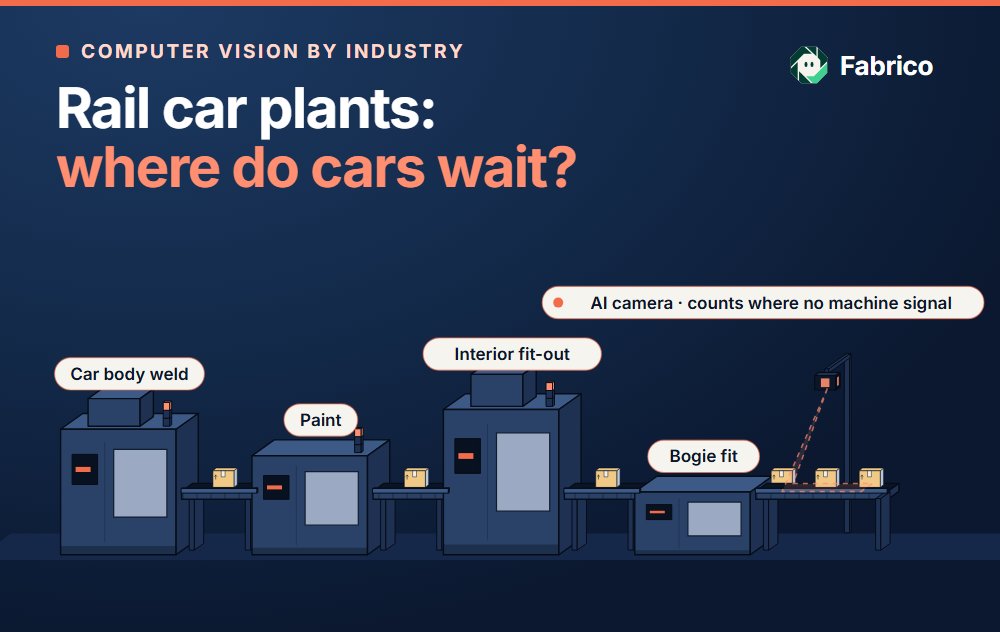




Real Fabrico tiles, sample data.