


 Login
 Blog
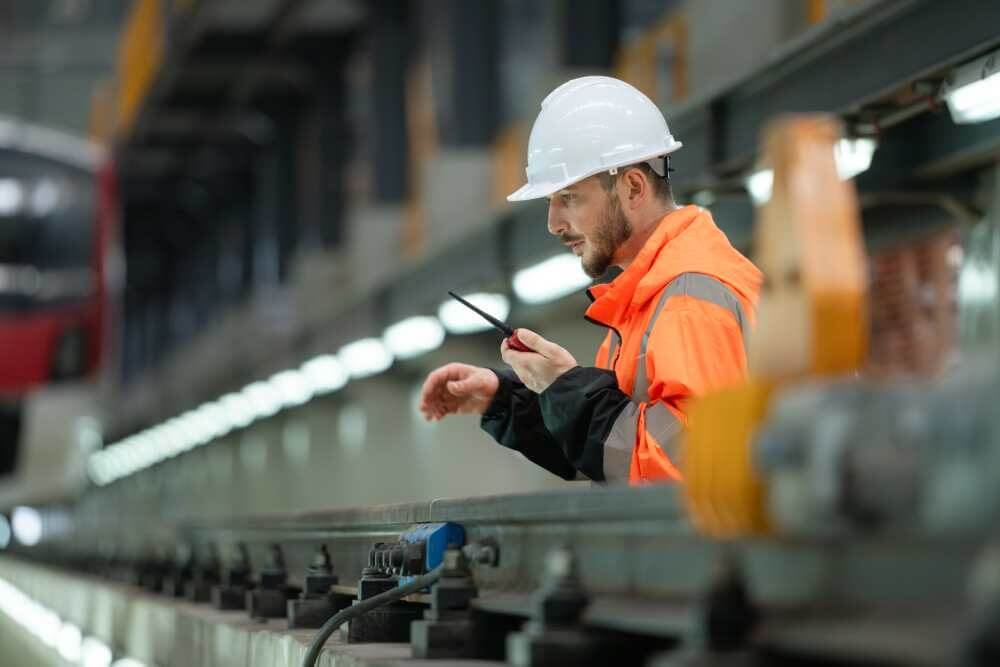
Heijunka: How Production Leveling Smooths Flow and Cuts Waste
Heijunka is the lean practice of leveling production by both volume and product mix instead of making in big, uneven batches. By smoothing what you build across the day or week, heijunka cuts the peaks and troughs that cause overburden, excess inventory and firefighting - and makes the schedule far easier to hold.
See our guide to maintenance planning and scheduling.
Why uneven production hurts
Building in large batches to feel "efficient" creates waves: a flood of one product, then a scramble for the next. Those waves ripple into inventory, overtime and missed due dates. Heijunka replaces them with a steady, predictable rhythm the whole plant can plan around.
Two kinds of leveling
- Volume leveling - spread total output evenly over time rather than front-loading or end-loading the period.
- Mix leveling - interleave products in smaller, repeating sequences (ABABAB) instead of long runs (AAA then BBB).
Heijunka depends on fast changeovers
Smaller, mixed batches mean more changeovers, so heijunka only pays off once setup time is reduced (SMED). Quick changeovers are what let you level the mix without losing capacity.
Where it fits with scheduling
Heijunka sets the leveled pattern; your scheduler then sequences real jobs into it against finite capacity. Live OEE shows whether the leveled plan is actually being met, or whether a constraint is breaking the rhythm. See our production scheduling best practices for the wider picture.
Want to hold a leveled schedule with real shop-floor data? Book a Fabrico demo.
FAQ
Is heijunka only for high-volume lines?
No. It helps anywhere demand or mix is uneven; the leveling interval just gets longer for lower-volume operations.
Doesn't leveling increase changeovers?
Yes, which is exactly why heijunka and changeover reduction (SMED) go hand in hand.
See how Fabrico unifies OEE and maintenance in one platform.
Request a demoRelated articles






Real Fabrico tiles, sample data.